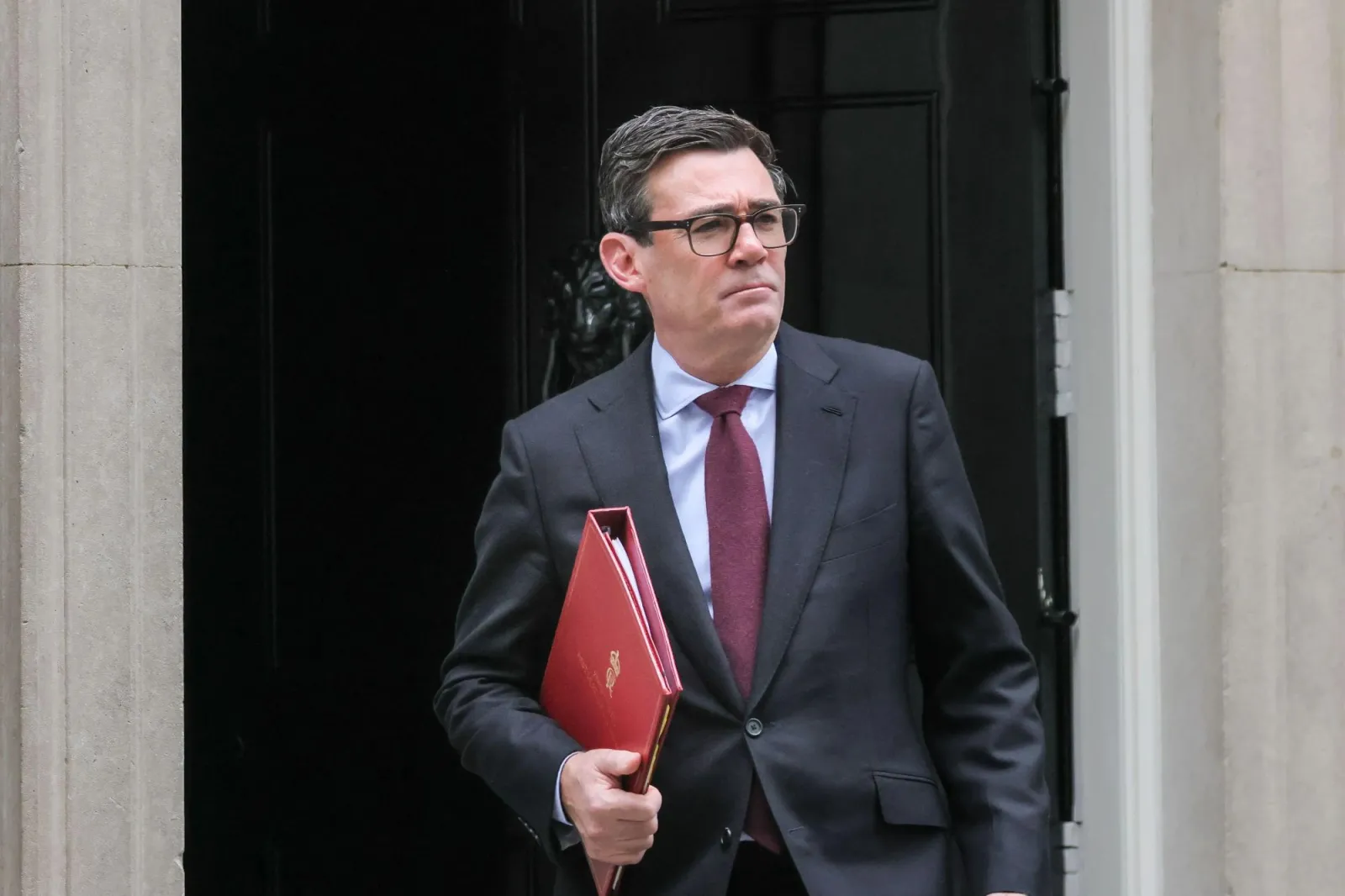
Labour has splurged £25 million of taxpayers' cash on a social media army amid a row over foul-mouthed influencer stunts at Number 10. The government has nearly doubled the budget for its communications unit since Andy Burnham's party came to power in 2024. This rapid expansion of state-backed digital messaging highlights a major shift in how modern administrations attempt to communicate public policy to citizens who increasingly turn away from traditional print and broadcast journalism.
The so-called New Media Unit, set up under Sir Keir Starmer, is set to splash £25 million this year promoting government policies on social media, according to reports by the BBC. This spending comes at a time of intense public debate over the boundaries of government communication, the use of public funds for digital advertising, and the direct engagement of internet personalities to bypass traditional journalistic scrutiny.
How the New Media Unit Budget Has Grown
According to the broadcaster, the unit's budget has soared from £13.2 million last year, with £8.8 million spent since April alone. Furthermore, the number of employees has swelled from 21 last October to 43 today. Much of the £25 million has been spent on paid campaigns, which see social media sites insert government sponsored adverts into social media users' feeds or before videos.
These targeted campaigns use personal data, such as age, gender, or location, to reach specific demographics on digital platforms and maximise public awareness. In addition to the millions of taxpayers' cash spent on these campaigns, £750,000 has also reportedly been set aside for influencers. These content creators explain government policies and messages to their audiences, forming a direct pipeline between Whitehall policy makers and online followers.
One current example is a cost-of-living campaign using a personal finance creator, which the Cabinet Office claims has reached tens of millions of people across social media. Such metrics are frequently cited by officials to justify the diversion of public funds into commercial social networks, arguing that traditional information channels no longer suffice to reach younger demographics.
The Downing Street Influencer Reception Controversy
The spending surge comes after the Prime Minister was forced to condemn a foul-mouthed TikTok stunt by the very influencer he picked to host his Downing Street bash. TikTok star Max Balegde filmed himself outside Number 10 miming along to a viral song featuring explicit language. He hosted a glitzy reception on November 9 as part of Mr Burnham's drive to woo social media stars and reach younger voters.
Tory leader Kemi Badenoch branded the antics a disgrace and demanded the Prime Minister disclose every penny spent on courting influencers. Following a national outcry, Downing Street branded the now-deleted clip clearly not acceptable, despite the official Number 10 account liking the post initially. The Sun later uncovered footage of creator Balegde, who had previously been rejected as too crude by Starmer, striking a saucy pose between two Union Jacks inside Downing Street.
Influencers attending the November 9 reception for content creators were handed government phones to film inside Downing Street before being sent the footage. Despite the backlash, Downing Street insisted the Prime Minister would continue courting content creators, pointing out that those invited to the bash boasted a combined audience of more than 470 million. Analysis by The Sun found Mr Burnham has filmed content with at least 30 influencers since becoming Prime Minister in July.
Political Fallout and Opposition Criticism
Opposition figures have seized on the funding figures and the subsequent social media controversies to question the priorities of the administration. Mike Wood, the Conservative shadow Cabinet Office minister, has said the government has serious questions to answer about the use of taxpayers' cash to push the government's message. He added that this spending on new media exceeds anything seen under the previous government, yet transparency and accountability are nowhere to be found.
Under strict Whitehall rules, the use of public resources to build ministers personal brands is explicitly banned, as that is considered a job for their political party instead. Critics argue that blurring the lines between state-funded informational campaigns and ministerial brand promotion crosses an ethical threshold. Number 10 has defended the bash, insisting it was about reaching millions of Brits who do not get their news from traditional media.
The Mechanics of Government Digital Advertising
Public sector communications have evolved dramatically over the past decade, moving away from traditional newspaper notices and television broadcasts toward programmatic digital advertising. Government departments regularly purchase ad space across major social media platforms to push public safety campaigns, health guidance, and financial support schemes. However, the scale of the New Media Unit represents a specialized and aggressive escalation in digital footprint management.
By engaging directly with individual content creators who command niche audiences, the administration bypasses standard media gatekeepers. While proponents argue this ensures vital public safety or economic advice reaches demographics that ignore standard news outlets, detractors warn that paying influencers creates an unmonitored channel of pro-government propaganda funded by the taxpayer. The division of £750,000 specifically allocated for creator compensation remains a focal point for parliamentary scrutiny.
What Lies Ahead for Whitehall Communications
As the political row continues, opposition MPs are expected to table further written parliamentary questions regarding the exact allocation of the £25 million budget. The Cabinet Office faces mounting pressure to publish a full breakdown of payments made to individual social media channels and content creators. Observers will monitor whether future events at Downing Street involving internet personalities face tighter vetting procedures to prevent embarrassing online antics from recurring.
The broader debate over how governments communicate in the digital age shows no sign of abating. With digital platforms consuming an ever-growing share of public attention, administrations will continue to grapple with the tension between effective citizen outreach and the political perils of courting unregulated internet stars.