UK Net Migration Plunges to Lowest Level in Three Decades
Net migration to Britain has experienced a dramatic reduction, falling to its lowest level outside the coronavirus pandemic since Tony Blair swept to power in 1997. Official figures released today by the Office for National Statistics show that the number of people arriving in the country minus those leaving dropped to 77,000 in the year to June. This represents a substantial decline from 204,000 during the previous year and marks a sharp reversal from recent historic highs.
The steep downward trajectory follows a series of immigration crackdowns implemented under both the Conservative government and the current Labour administration. These policy measures included strict restrictions preventing foreign workers from bringing their family members to Britain, alongside significantly tougher salary requirements for visa applicants. Analysts note that these combined regulatory adjustments have altered the makeup of arrivals and departures across the country.
How Arrival and Departure Numbers Broke Down
Data from the Office for National Statistics revealed that 738,000 people moved to the United Kingdom over the 12-month period ending in June. At the same time, 661,000 individuals left Britain to live abroad. This combination of lower incoming figures and steady emigration drove the net migration total down to 77,000.
Immigration has almost halved since its peak of nearly 1.5 million in 2023, a period when annual net migration hit a record high of 944,000. Statisticians point out that many of the migrants who arrived during the earlier surge, often referred to as the Boriswave, are now departing Britain after finishing their studies or completing fixed periods of work.
Impact on Work Visas and Dependent Numbers
Arrivals from outside the European Union and associated European countries on work-related visas fell by a quarter to 135,000 over the year. However, government figures show that more than half of those individuals were family members of work visa holders rather than the primary workers themselves. The introduction of stricter dependent rules has directly targeted this category of arrivals.
Foreign students and their dependants accounted for another 257,000 arrivals during the 12-month period, representing an 11 per cent decrease compared to the previous year. Meanwhile, the number of people arriving for asylum-related reasons fell from 93,000 to 73,000. This category includes individuals who entered Britain illegally on small boats across the Channel.
Emigration Trends and European Nationals
The latest data indicates that emigration remains at notable levels as previous arrivals reach the end of their stay. More people from the EU and associated European countries left Britain than arrived, continuing an established trend observed since 2022. Specifically, 124,000 European nationals moved abroad while just 79,000 came to live in Britain.
The figures also suggest that almost a quarter of a million British citizens moved abroad over the past year, while just 109,000 came to live in the UK. However, statisticians issued a warning that delays in receiving government data meant estimates for British nationals were less reliable than usual.
Expert Projections on Future Migration Levels
Experts believe the current trend could keep net migration unusually low for the next couple of years if immigration rules remain unchanged. Dr Madeleine Sumption, director of Oxford University's Migration Observatory, offered insight into the medium-term outlook.
Dr Madeleine Sumption said, "If policies remain the same and there are no major crises, then what we would expect is for the UK to go into a period of unusually low net migration over the next couple of years."
Dr Madeleine Sumption added, "Immigration has come down, but emigration is still quite high. That doesn't last forever. Most people who emigrate are not British. They are previous migrants. When you have a high period of immigration, most people who leave will leave within five years of arriving."
Political Context and Regional Proposals
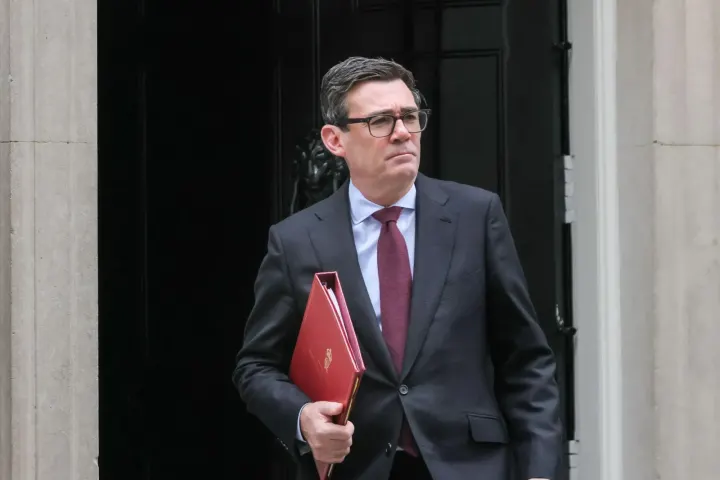
The drop in net migration coincides with broader political debates regarding Britain's international relationships and labour markets. While national immigration restrictions take effect, regional leaders are pursuing distinct paths. Andy Burnham is pressing ahead with plans for a youth mobility deal with Brussels as part of his Brexit reset, which could introduce separate arrangements for younger workers moving between the UK and the European Union.
As policymakers digest the Office for National Statistics figures, attention turns to how the labour market will adapt to reduced arrivals in sectors traditionally reliant on overseas recruitment. Observers will monitor whether the government maintains its current threshold requirements in the face of competing demands from business and public services.