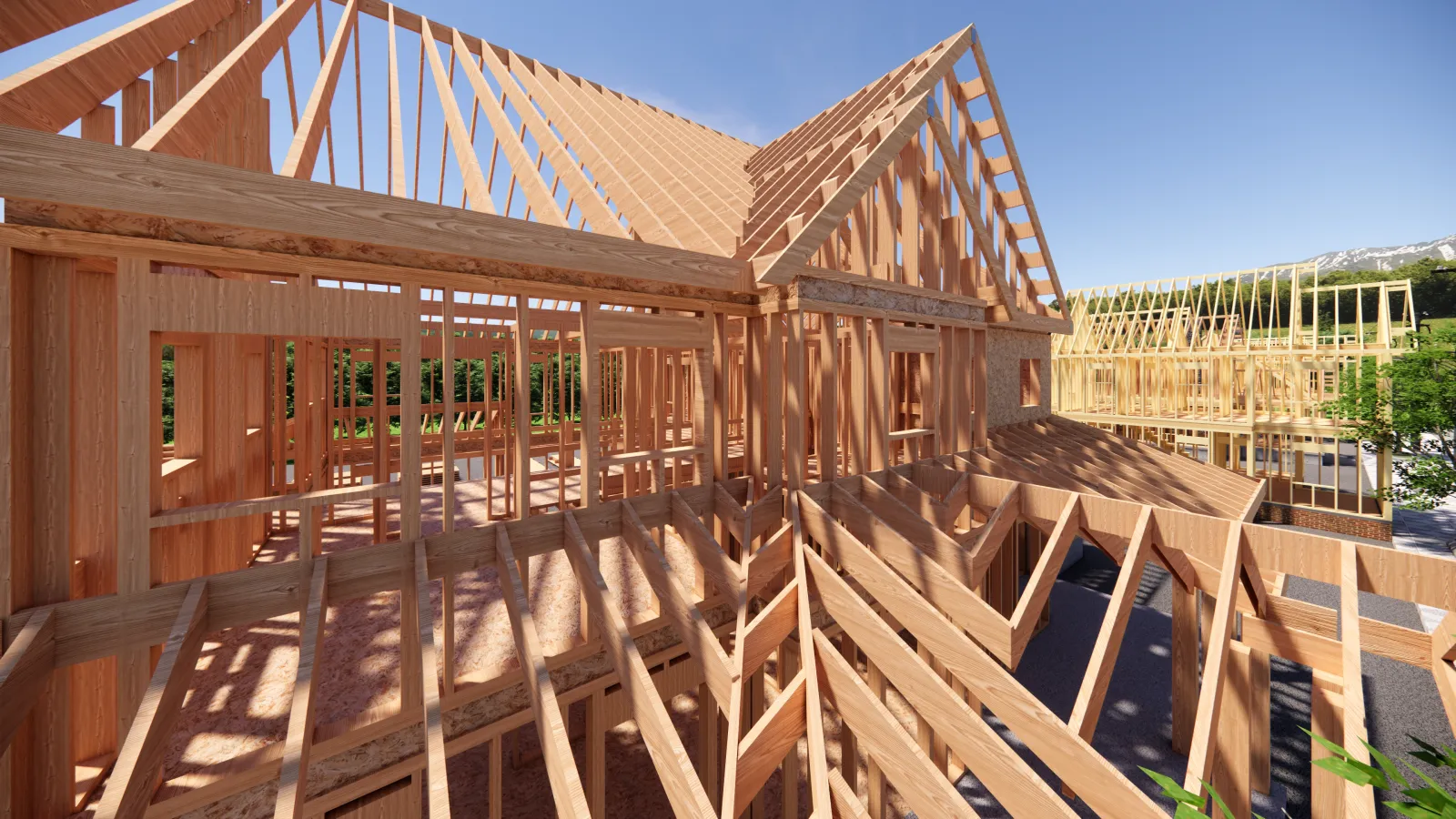
Labour's housing pledge was branded a "fantasy" last night as the number of new homes fell to a ten-year low.
What the latest housing figures reveal
Official data show that only 203,690 homes were added to England's housing stock in 2025/26, a drop of two per cent from the previous year. The decline marks the lowest annual output since 2014/15 and deepens concerns about the feasibility of Labour's promise to deliver 1.5 million new homes by the end of the current Parliament.
To meet the target, an average of 300,000 homes would need to be completed each year. At the current pace, the goal appears out of reach.
Why Labour's pledge is under fire
Housing Secretary Angela Rayner has acknowledged that the odds of hitting the 1.5 million-home target are slim. She cited rising construction costs and the fallout from the Iran war as key factors that have slowed progress.
Sam Richards, a spokesperson for the campaign group Britain Remade, described the target as "looking like a fantasy". He added, "Ministers cannot hide behind global events as an excuse for their failure to deliver."
A Housing Department spokesman countered that the government is "not giving up" on the ambition, but offered no new timetable or policy shift.
Policy proposals aimed at reviving housebuilding
The opposition Conservative Party has outlined a series of measures it says will accelerate construction. The flagship idea is a price cut of up to £50,000 for new-build homes, promised as part of a broader "war on red tape".
Shadow Chancellor Andrew Griffith said the reduction will be financed by scrapping regulations such as the Future Homes Standard, which currently forces developers to install low-carbon technologies like heat pumps or district heat networks.
Griffith also pledged a "blitz on bureaucracy and Net Zero regulations" to halt what he describes as low growth. His plan includes backing a third runway at Heathrow and eliminating a £1.5 billion grocery packaging tax to lower the cost of weekly shopping.
He told reporters, "No one else is coming to save our economy. Only we can inject reality, tell the hard truths and make this a country we are proud to hand on to the next generation."
How the Future Homes Standard affects costs
The Future Homes Standard, introduced in 2025, requires new dwellings to meet stricter carbon-emission limits. Developers must incorporate technologies that reduce on-site energy use, such as heat pumps, solar panels, or connection to district heating schemes.
Critics argue that these requirements increase construction costs, which are then passed on to buyers. Supporters contend the rules are essential for meeting the UK's net-zero commitments by 2050.
Broader context: housing supply trends in England
England has struggled to keep pace with demand for decades. The Office for National Statistics reports that net migration and household formation have consistently outstripped new-build output. The ten-year low of 203,690 homes follows a period of modest growth, with 215,000 units added in 2023/24 and 221,000 in 2024/25.
Construction material prices surged after the pandemic, and supply-chain disruptions linked to the Iran war have kept builders' margins under pressure. Labour's pledge was announced in the 2023 election manifesto, promising a "home-building boom" funded by public-private partnerships and streamlined planning.
What the next steps could look like
Both parties now face pressure to present concrete plans. The Housing Department is expected to publish a detailed roadmap before the end of the quarter, outlining how it will address cost pressures and regulatory hurdles.
Opposition parties have signalled they will introduce a private members' bill to repeal the Future Homes Standard if they win the next election. Meanwhile, industry bodies such as the Home Builders Federation are calling for a review of planning reform and a targeted skills programme to address the shortage of qualified construction workers.
Stakeholders will be watching for any announcement of additional funding, tax incentives, or changes to land-use policy that could tip the balance toward higher output.
Practical takeaways for prospective homebuyers and developers
For homebuyers, the proposed £50,000 price cut could make new builds more affordable, but only if the associated regulatory changes are enacted. Buyers should monitor announcements from the Housing Department and the Treasury regarding the future of the Future Homes Standard.
Developers should prepare for potential shifts in compliance requirements. If low-carbon mandates are relaxed, firms may need to reassess project budgets and timelines. Conversely, any continuation of strict standards could keep costs high, reinforcing the need for innovative construction methods and supply-chain resilience.
Overall, the housing market remains in a state of flux, with policy decisions in the next few months likely to shape the pace of construction for the remainder of the Parliament.