Lahore High Court Rules on Pakistan Origin Card Eligibility
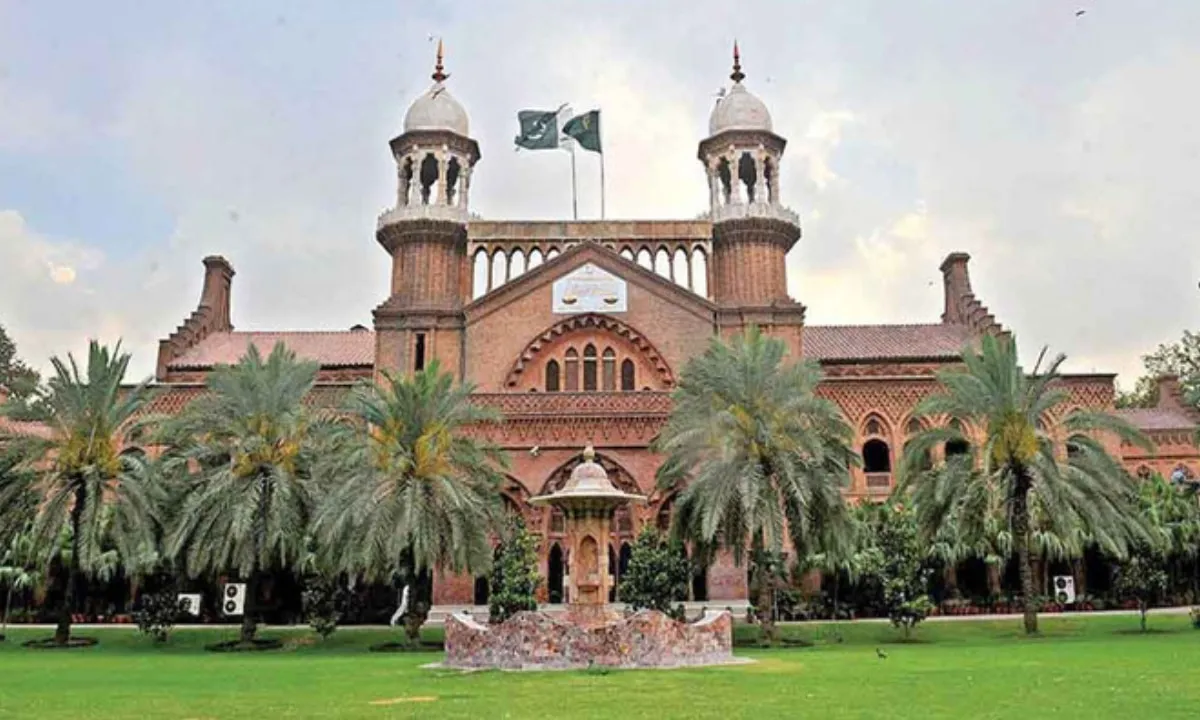
The Lahore High Court has ruled that marriage to a Pakistani citizen does not automatically entitle a foreign national to a Pakistan Origin Card, dismissing a petition filed by an American citizen of Indian origin. Justice Muhammad Ajmal Zahid issued the ruling on a petition filed by Dr. Talha Muadh Ghulam Jilani, formerly known as Dr. Jaysinha Shamrao Shinde, who renounced his Indian nationality before obtaining American citizenship in 2007. The case highlights the complex legal and administrative hurdles foreign nationals face when seeking identification documents from Pakistani authorities after marrying local citizens.
Jilani applied to the National Database and Registration Authority for a Pakistan Origin Card in May 2021. However, his application was referred for verification, and the authority rejected his request in January 2023. The petitioner argued that existing rules allow foreign spouses of Pakistani citizens to apply for the document and that Indian origin alone should not affect eligibility. Conversely, the government lawyer maintained that applicants from certain countries, including India and Afghanistan, were subject to additional security checks under a 2013 Interior Ministry policy.
Understanding the Pakistan Origin Card and NADRA
The National Database and Registration Authority, commonly known as NADRA, is the central government agency tasked with maintaining the citizens database and issuing identification documents in Pakistan. Among its various services, the Pakistan Origin Card is designed to facilitate expatriates and foreign nationals with historical or family ties to the country, allowing them to live, work, and own property without requiring a traditional visa. However, holding this document does not confer full citizenship rights, such as voting or holding public office, but rather serves as a long-term residency and identification permit.
The legal framework governing this card involves balancing the desire to encourage family unity with the strict security protocols overseen by the Ministry of Interior. Because the card grants significant privileges, including multiple entries and indefinite stay, the application process involves rigorous background checks. The state maintains that national security considerations must override personal convenience, especially when applicants originate from nations with complex diplomatic and security histories with Pakistan.
Legal Arguments Presented in the Lahore High Court
During the court proceedings, the legal representation for Jilani argued that the administrative rejection ignored established provisions that permit foreign spouses to seek the card. They contended that the background of the applicant, specifically his previous Indian nationality, should not be a permanent bar to acquiring the document since he successfully obtained American citizenship after legally renouncing his former ties. The petitioner sought a judicial directive to overturn the rejection and compel the state to issue the identification card.
In response, the government counsel defended the decision by citing the 2013 Interior Ministry policy. This policy mandates extra scrutiny for individuals hailing from specific countries, including India and Afghanistan, due to prevailing security parameters. The state argued that administrative discretion must be preserved to vet applicants thoroughly, and that the state is not legally compelled to approve every submission simply because a marital relationship exists with a local citizen.
Court Findings and the Status of the 2013 Policy
In his detailed judgment, Justice Zahid clarified that a Pakistan Origin Card is a facilitation document rather than proof of citizenship. He ruled that marriage to a Pakistani citizen establishes initial eligibility but does not guarantee issuance, as applications remain subject to verification and the authority of NADRA to refuse a card on national security or public interest grounds. The court noted that administrative bodies possess the statutory power to evaluate applicants based on current threat assessments and vetting procedures.
The court also distinguished between Indian origin and Indian nationality, noting that Jilani certificate of renunciation of Indian nationality had not been independently verified. Furthermore, Justice Zahid ruled that the 2013 policy could not override existing rules or automatically disqualify an applicant, although it could be used for conducting necessary security checks. The court held that while the federal government could relax the requirements in special and extraordinary circumstances, such exemptions could not be claimed as a legal right by any applicant.
Implications for Foreign Spouses and Future Applicants
This ruling sets a clear legal precedent regarding the limits of administrative discretion and the rights of foreign spouses in Pakistan. It reinforces the principle that marriage does not bypass the sovereign right of a state to vet foreign nationals thoroughly before granting long-term residency rights. For foreign spouses with backgrounds involving countries subject to special security protocols, the judgment underscores the necessity of complete documentation and verifiable background checks.
Finding no evidence that NADRA had acted unlawfully or in bad faith, the Lahore High Court dismissed the petition. Legal experts suggest that future applicants must be prepared for extended verification processes, particularly if their country of origin requires additional security clearances under interior ministry guidelines. The decision confirms that administrative authorities retain full jurisdiction to deny identification cards when national security or public interest is invoked during the review process.