Senate Committee Summons Secretary Communications Over M-6 Motorway Absence
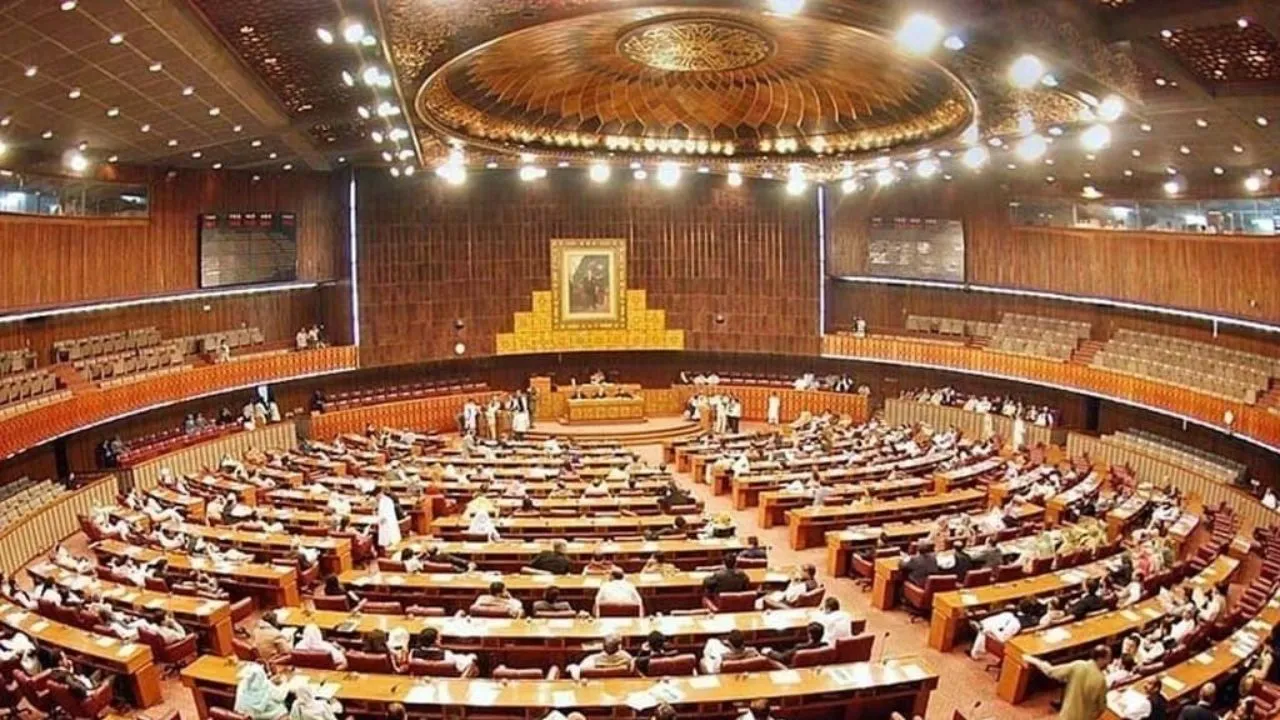
The Senate Standing Committee on Economic Affairs has taken strict action against administrative absenteeism by summoning the Secretary Communications. This decision came after the senior government official failed to attend a scheduled committee meeting called to discuss the Hyderabad-Sukkur M-6 Motorway project.
The session was led by Senator Saifullah Abro, who voiced clear displeasure regarding the unjustified absence of the secretary. Because the ministry agenda was formally scheduled for discussion, the failure of the top bureaucrat to show up disrupted legislative oversight proceedings regarding this major infrastructure initiative.
Details of the Summons and Official Enforcement
To ensure compliance with the legislative directive, the committee formally issued summons for the secretary and dispatched them directly to the concerned deputy commissioner. This administrative step grants local executive authority a direct mandate to enforce the parliamentary order.
Senator Saifullah Abro stated that the deputy commissioner would be held responsible for ensuring the Secretary Communications appeared before the committee at its next meeting. Parliamentary committees hold constitutional powers to summon federal and provincial officials to maintain accountability, and bypassing these summons can trigger further legislative penalties.
The committee had earlier decided to summon the secretary after he failed to attend the meeting. Legislative frustration mounted as members noted that prior notices had already been ignored, leaving lawmakers with few alternatives other than issuing formal warrants of appearance through local administration.
Background on the Hyderabad-Sukkur M-6 Motorway Project
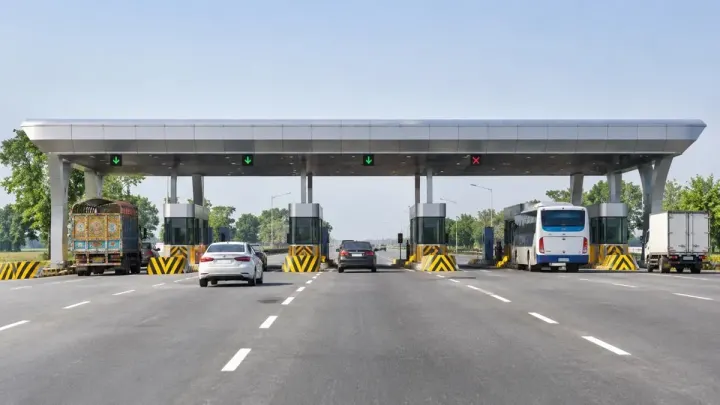
The Hyderabad-Sukkur M-6 Motorway project is a critical component of the broader national highway network, designed to connect major economic hubs in the region. Infrastructure development of this scale requires rigorous parliamentary oversight to monitor financial allocations, land acquisition processes, and construction timelines. Delays in project execution often lead to cost overruns, drawing intense scrutiny from Senate committees tasked with public financial management.
Legislative panels such as the Standing Committee on Economic Affairs function as watchdogs for public sector spending and policy execution. When administrative heads fail to participate in these proceedings, it hinders the ability of elected representatives to address public grievances and resolve bureaucratic bottlenecks stalling national development schemes.
The Role of the Senate Standing Committee on Economic Affairs
Standing committees within the Senate hold broad investigative powers, including the authority to summon witnesses, inspect government records, and demand compliance reports from various ministries. These bodies serve as the primary mechanism for holding executive branches accountable between legislative sessions. Attendance by federal secretaries is mandatory when their respective departments have agenda items listed for review.
When officials neglect these parliamentary obligations, committees can escalate measures from simple notices to formal summons involving local executive officers like deputy commissioners. This enforcement mechanism bridges the gap between legislative authority and administrative execution, ensuring that bureaucrats cannot ignore parliamentary inquiries without consequence.
What Happens Next in the Proceedings
The immediate next step involves the service of the summons through the deputy commissioner to the Secretary Communications. All eyes remain on the upcoming committee session to see whether the official complies with the directive and provides the required explanations regarding the Hyderabad-Sukkur M-6 Motorway project.
Failure to appear at the subsequent meeting could lead to further escalation by the Senate committee, potentially involving privilege motions or deeper inquiries into the administration of the communications ministry. Observers and stakeholders will monitor the next hearing to gauge how federal authorities respond to strict legislative enforcement.