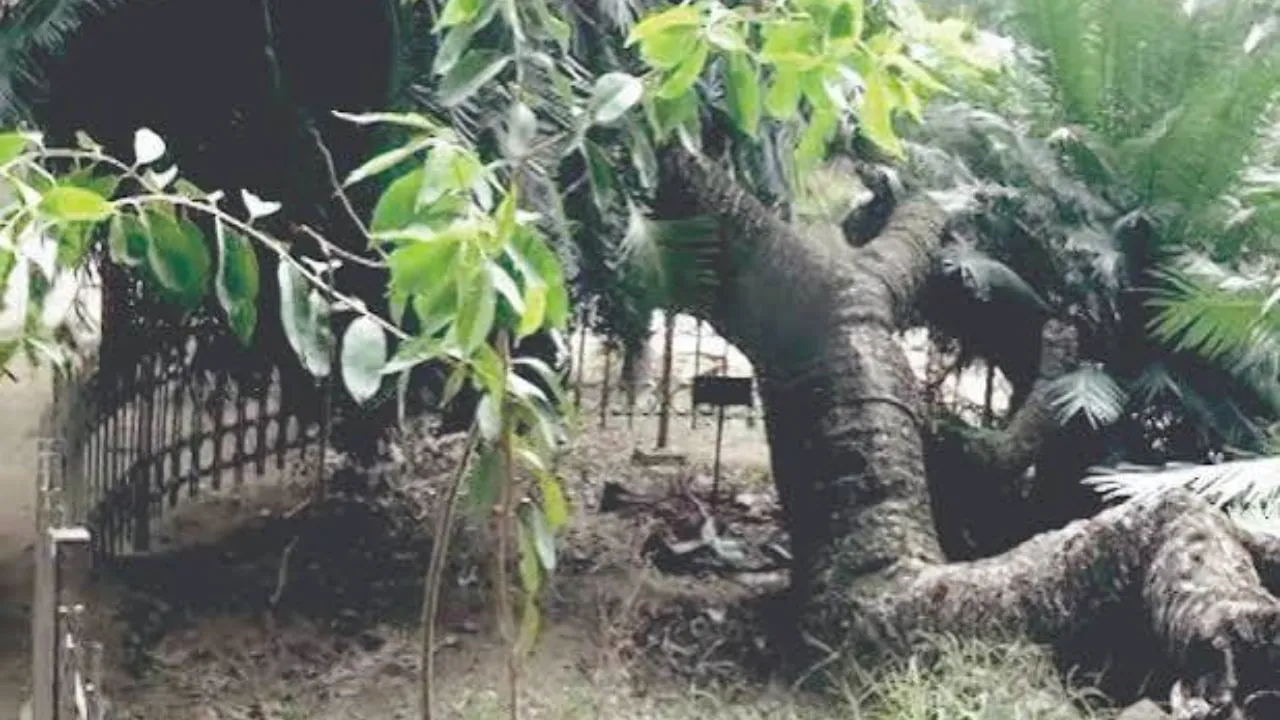
Discovering the 176-Year-Old Queen Sago Palm in Lahore
A 176-year-old Queen Sago Palm, a member of a plant lineage older than the dinosaurs, is in full leaf at Lawrence Garden, an officer of the Punjab Horticulture Authority (PHA) disclosed on Sunday. This remarkable specimen stands as a silent witness to centuries of botanical history in the heart of Pakistan. While urban expansion and modern developments often alter city environments, this ancient tree remains protected within a historic public park. Its current thriving state demonstrates the dedicated care provided by local horticulture specialists who monitor its health and growth conditions closely.
The tree predates the historic garden, which was developed in the 1860s as a botanical garden and leisure ground. He said the garden was modelled on London's Kew Gardens. This institutional design aimed to bring scientific plant collection and public recreation together, creating a sanctuary for exotic and native flora alike. Long before landscaping crews laid out the pathways and flowerbeds of the Victorian-era park, the Sago Palm was already growing on the land.
The Prehistoric Origins of Cycads
Queen Sago Palms are Cycads, an ancient group of seed-bearing plants whose fossil record dates to the Permian period, about 280 million to 300 million years ago. The world's oldest potted plant, a Cycad, has been at Kew since 1775. These plants possess woody trunks and stiff, evergreen leaves, representing a distinct evolutionary branch that separated from other seed plants long before flowering plants evolved.
Cycads became particularly widespread during the Mesozoic Era, when dinosaurs dominated the Earth. Their abundance during the Jurassic and Cretaceous periods has led to the era being described as the "Age of Cycads", alongside the "Age of Dinosaurs". During this distant epoch, these resilient plants formed a major component of terrestrial ecosystems across the globe, adapting to diverse climatic shifts and environmental pressures.
Plant-eating dinosaurs, including long-necked sauropods, are believed to have fed on the foliage, cones, and nutrient-rich seeds of Cycads, including sago palms, which were widespread in the Mesozoic era. The tough, fibrous leaves and toxin-producing defense mechanisms of these plants evolved alongside the herbivorous reptiles that consumed them. Paleontological studies of fossilized dinosaur teeth and coprolites frequently reveal traces of cycad consumption, linking modern botany directly to the prehistoric past.
How Slow Growth Grants Extraordinary Longevity
Cycads are also known for their exceptionally slow growth and longevity. According to horticulture experts, Sago Palms require around four to five hours of sunlight daily and relatively little water once established. Their slow-growing nature allows them to survive in a range of growing conditions, including relatively dry and poor soils. This metabolic patience enables individual plants to endure for centuries, slowly adding ring upon ring of woody tissue while resisting common environmental stressors.
Their structure has changed little over hundreds of millions of years, so they are commonly called "living fossils". However, their numbers have declined considerably, and about 60 percent of assessed species are now threatened with extinction in their natural habitats, according to the International Union for Conservation of Nature (IUCN) Red List of Threatened Species. Habitat destruction, climate change, and illegal poaching for the horticultural trade continue to pose severe threats to wild populations of cycads around the world.
The Role of the Punjab Horticulture Authority
Commenting on the development, the spokesperson said the PHA looks after the province's green cover and also manages some of the world's oldest prehistoric trees. "The fact that the Sago Palm in Lahore is not only prehistoric but also belongs to a threatened variety makes it especially significant," he said. The authority undertakes regular maintenance, soil testing, and pest management to ensure these botanical treasures survive for future generations to study and admire.
Managing ancient and exotic specimens requires specialized knowledge of arboriculture and plant pathology. Urban forestry teams must balance public access with the protection of fragile root systems, especially in heavily visited public parks. Through careful monitoring, the PHA preserves not only the physical specimens but also the historical continuity of Lahore's public green spaces.
The Botanical Heritage of Lawrence Garden
He said Lawrence Garden was regarded as one of Asia's largest botanical gardens, with around 150 varieties of trees, including 30 species of palms. Its collection includes trees and plants introduced by the British from across the Indian Empire, as well as from Austria, Palestine, Syria and other parts of Europe. This diverse assemblage turned the park into an important center for botanical acclimatization and scientific research during the colonial era.
Today, the sprawling grounds serve as a vital recreational hub and an outdoor museum of living history. Visitors walking beneath the canopy encounter flora from multiple continents, each tagged and maintained to reflect the garden's original scientific purpose. The presence of a living link to the age of dinosaurs elevates the status of Lawrence Garden among the notable botanical institutions of the world.