Punjab Traffic Police Launches Free Driver Verification Facility for Transporters
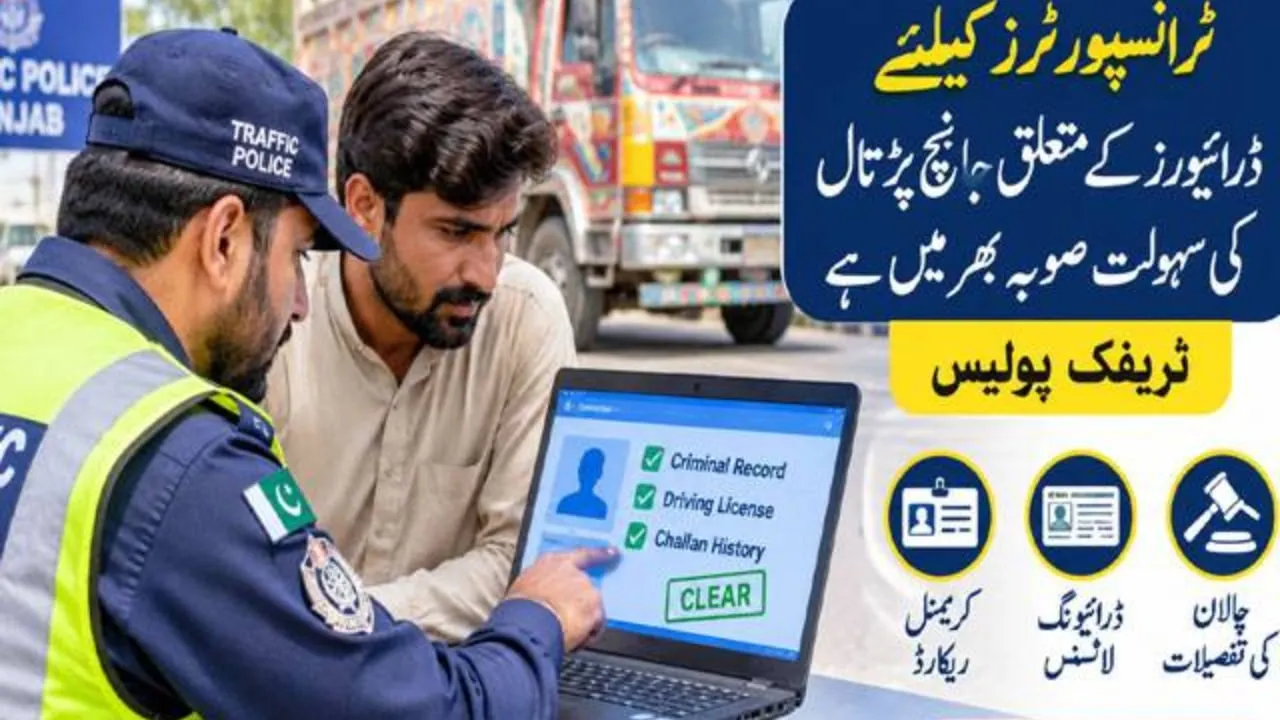
The Punjab Traffic Police has introduced a free facility for transporters to check drivers' criminal records, driving licences and challans, while records of drivers involved in accidents will also be provided to transporters. This new administrative measure aims to give commercial fleet operators direct access to vital background information before they commit to employing new driving staff for passenger or freight vehicles across the region.
Road safety authorities have long debated the best ways to screen commercial drivers, and this initiative provides a direct administrative channel. By removing financial barriers through a free service, the traffic department hopes to encourage widespread participation among transport companies of all sizes, ranging from large bus networks to independent truck operators.
How the Punjab Driver Verification Facility Works Across the Province
According to the Punjab Traffic Police, the driver verification facility is available across the province. Transporters can have drivers' details and records verified through the relevant traffic offices located in various districts.
To use this system, transport operators must submit driver details to the designated traffic offices. The administrative staff then cross-reference these names and identity numbers against central databases containing past traffic violations, court challans, and criminal histories. This operational structure ensures that local station records feed into a unified screening process, giving a clear picture of an applicant's driving past.
Checking Criminal Records, Driving Licences, and Previous Challans
Commercial transport safety depends heavily on the reliability of the person behind the wheel. Under the new guidelines, the scope of the free background check covers multiple categories of official records.
Transporters can now verify the legal status of a driving licence to ensure it is authentic and valid. They can also check for accumulated traffic challans, which indicate a history of reckless driving or disregard for traffic laws. Furthermore, criminal records are accessible, allowing employers to screen for past illegal activities that might disqualify an individual from transporting passengers or hazardous cargo.
Accessing Records of Drivers Involved in Previous Accidents
One of the most critical elements of the new police facility is the inclusion of accident histories. Records of drivers involved in accidents will also be provided to transporters through the official channels.
Accident data helps transport companies identify individuals who have a pattern of collisions, whether minor or severe. Knowing if a prospective employee has been at fault in past road incidents allows fleet owners to avoid hiring high-risk individuals, thereby protecting passengers, pedestrians, and other motorists on provincial highways and city streets.
Mandatory Thorough Checks and the Push for Healthy, Trained Drivers
The Traffic Police has directed transporters to verify drivers thoroughly before hiring them, while also encouraging the employment of healthy and trained drivers.
This directive places the onus squarely on transport owners to perform adequate due diligence. Rather than relying solely on verbal references or unverified paper resumes, employers must now use official police channels. Encouraging the hiring of healthy and trained personnel also points to a broader focus on driver wellness, ensuring that individuals suffering from untreated medical conditions or fatigue-inducing habits do not operate heavy vehicles.
Commercial driving requires high levels of physical fitness and mental alertness. By combining mandatory background checks with recommendations for medical fitness and professional training, the traffic authorities are attempting to professionalise the entire commercial driving sector in the province.
Measuring Progress and the 35 Percent Reduction in Fatal Accidents
Statistical monitoring forms the backbone of modern traffic management. According to the Punjab Traffic Police, a 35 percent reduction in fatal accidents has been recorded this year on roads under its management.
This significant drop in fatalities indicates that recent administrative measures, enforcement drives, and safety campaigns are producing measurable results. Road safety analysts often point to data-driven policing as a key driver for such improvements, noting that targeted interventions tend to yield better compliance from motorists and transport companies alike.
Maintaining this downward trend requires continuous effort from both law enforcement agencies and private transport operators. The new verification facility is designed to build upon these gains by stopping unsafe drivers from entering the commercial workforce in the first place.
Muhammad Waqas Nazir said the Punjab Traffic Police's effective efforts to prevent accidents and protect precious human lives are ongoing. He said the driver record verification facility will help reduce traffic accidents and make roads safer.
Official statements of this nature underscore the institutional commitment of the traffic department to public safety. As the province continues to expand its road networks and commercial traffic volumes increase, proactive measures like free driver verification will remain central to government strategies for reducing highway casualties.