Xiaomi Launches Redmi M100 Pro Smartphone in China
Xiaomi has quietly launched the Redmi M100 Pro in China, featuring a 120Hz OLED display, a 50MP camera, and a 5,500mAh battery. The new mid-range smartphone is powered by MediaTek's Dimensity 7300-Ultra processor and comes with 12GB of RAM and 256GB of storage. The phone is priced at approximately $350 and is available in four colors. Interestingly, the Redmi M100 Pro shares many specifications with the Redmi Note 14 Pro, which launched in international markets in 2024.
The release of this new device continues Xiaomi strategy of expanding its mid-tier product lineup with feature-rich options that target value-conscious buyers. By offering high-end display technologies and robust battery capacities at an accessible price point, the company maintains a strong presence in the competitive smartphone market. Consumers looking for modern mobile technology without paying flagship prices often turn to these mid-range releases.
Design and Display Features of the New Phone
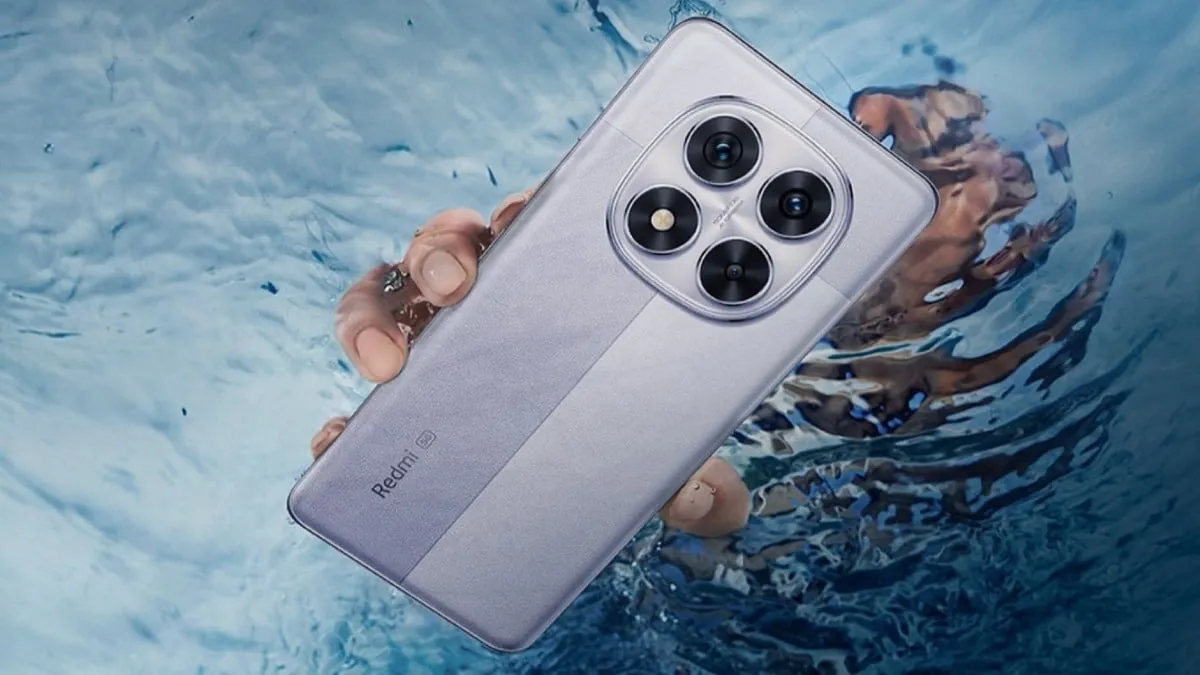
The Redmi M100 Pro features a 6.67-inch curved OLED display with a resolution of 2712 × 1220 pixels and a 120Hz refresh rate. The screen supports up to 3,000 nits of peak brightness in small areas and is protected by Corning Gorilla Glass Victus 2. It also supports 1,920Hz PWM dimming, which helps reduce screen flickering at lower brightness levels. The phone weighs approximately 190 grams, measures 8.2mm thick, and features an IP68 rating for dust and water resistance. Xiaomi offers the device in Black, White, Cyan, and Purple. The purple version features a leather-like finish on the back.
Curved displays have become increasingly common in mid-range hardware, offering a more immersive viewing experience and a sleek profile in the hand. The inclusion of Corning Gorilla Glass Victus 2 provides added durability against drops and scratches, which addresses common consumer durability concerns. Furthermore, the IP68 dust and water resistance rating ensures the device can withstand accidental immersion and everyday environmental exposure.
Internals, Performance, and Software Integration
The Redmi M100 Pro is powered by MediaTek's Dimensity 7300-Ultra processor, built using a 4nm manufacturing process. It comes with 12GB of LPDDR4X RAM and 256GB of UFS 2.2 internal storage. The device runs Xiaomi's HyperOS operating system. Other features include stereo speakers, an X-axis vibration motor, an under-display fingerprint scanner, NFC, and an infrared blaster. The infrared blaster allows users to control compatible devices, such as televisions and air conditioners, directly from their phones.
The MediaTek Dimensity 7300-Ultra chipset uses a 4nm architecture designed to balance power efficiency with strong processing capabilities. This architecture helps manage thermal output during intensive tasks like gaming or multitasking while preserving battery life. Running on Xiaomi HyperOS, the software interface offers deep integration with other ecosystem products and provides a customizable user experience.
Camera Capabilities and Photography Options
The Redmi M100 Pro features three cameras on the back. The main camera has a 50MP sensor with optical image stabilization (OIS), which helps reduce blur caused by camera shake. It is accompanied by an 8MP ultrawide camera for capturing wider scenes and a 2MP macro camera for close-up shots. For selfies and video calls, the phone has a 20MP front-facing camera.
Optical image stabilization is a critical inclusion for mobile photography, ensuring sharp photos and stable videos even in challenging lighting conditions. The combination of a primary high-resolution sensor, an ultrawide lens, and a macro sensor gives users versatility for different photography scenarios, from landscape shots to detailed close-ups.
Battery Life, Charging Speed, and Market Pricing
The Redmi M100 Pro packs a 5,500mAh battery with support for 45W wired fast charging. The phone is available in China for approximately $350 with 12GB of RAM and 256GB of storage. There is currently no confirmation of a global launch, and the phone may remain exclusive to China. The device also appears to be a rebranded version of the Redmi Note 14 Pro, sharing its processor, display, camera setup, and battery specifications. However, Xiaomi has not officially confirmed that the two devices are identical.
A 5,500mAh battery capacity easily supports a full day of heavy usage, reducing the need for midday recharges. While 45W fast charging is moderate compared to ultra-fast standards, it provides a practical balance for replenishing the large power cell efficiently. The pricing structure places this model firmly in the accessible mid-range category for buyers in its initial release market.
Understanding the MediaTek Dimensity Processor and HyperOS
The MediaTek Dimensity series processors are engineered to deliver reliable performance across everyday applications and mobile gaming. Built on advanced manufacturing nodes, these chips optimize power consumption to extend daily usage times. Pairing this silicon with ample memory configurations ensures smooth multitasking and app switching.
Xiaomi HyperOS serves as the foundational software platform, streamlining connectivity across smartphones, smart home appliances, and wearable accessories. The operating system focuses on performance optimization, fast startup times, and intuitive user navigation. Features like the infrared blaster take full advantage of this software ecosystem to turn the smartphone into a centralized remote control for household electronics.
Global Availability and Rebranding Trends in Mobile Tech
Rebranding existing models for different regional markets is a common practice among major smartphone manufacturers. This strategy helps companies optimize supply chains and marketing efforts across international borders. While the Redmi M100 Pro shares strong technical similarities with the international Redmi Note 14 Pro, regional naming conventions often vary based on local market preferences.
For now, international consumers interested in these specific hardware specifications must look toward globally available counterparts. Xiaomi continues to monitor regional demand before confirming wider rollouts for new hardware iterations. Buyers within China can purchase the device through official retail channels and partner platforms.