Lahore Makes Facemasks Mandatory for Students
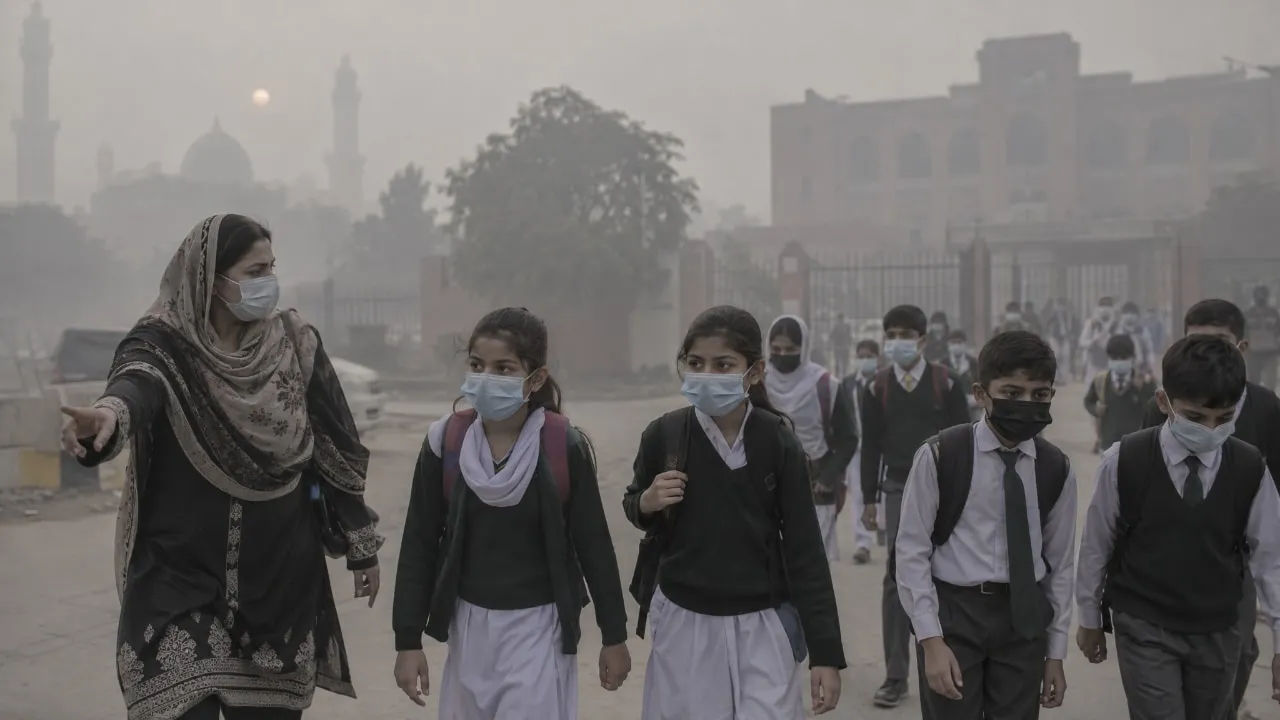
The Lahore District Education Authority has made masks mandatory for students in schools as smog persists across the city. The authority directed government and private school administrations to ensure that students wear masks and enforce the standard operating procedures for smog prevention. The district education authority chief executive officer also told schools to encourage students to drink plenty of water and organise seminars on smog precautions and protection from pollution.
This mandate applies to all educational institutions operating within the district. School administrators face strict instructions to monitor compliance throughout the school day. Authorities hope that covering faces will reduce the immediate health risks posed by toxic air particles entering young respiratory tracts. Teachers and staff members are also expected to lead by example and follow the protective guidelines during school hours.
Air pollution in the region has reached critical thresholds, prompting administrative interventions to protect public health without halting daily routines. Educational facilities must coordinate with local health departments to ensure safety protocols remain active. Parents have received notices regarding the new uniform requirements, which now officially include protective face coverings for all commuting and attending children.
Understanding Lahore Smog and Air Quality Levels
Air quality readings varied across Lahore monitoring stations on Thursday. The Punjab Environmental Protection Agency dashboard recorded an Air Quality Index of 478 at Multan Road at 5:00 pm, classified as hazardous. Egerton Road recorded 420 and DHA Phase VI 407, also in the hazardous category. Other readings included 374 at Kahna Nau and 370 at Shahdara, both classified as very unhealthy.
Smog in Lahore typically worsens during the winter months due to a combination of crop residue burning, vehicular emissions, industrial pollution, and weather patterns that trap pollutants close to the ground. The Air Quality Index measures various pollutants, including particulate matter measuring 2.5 microns or less, which can penetrate deep into human lungs and enter the bloodstream. High readings in the hazardous category pose serious health threats to the general population, particularly children, the elderly, and individuals with pre-existing respiratory conditions.
Monitoring stations across the urban center track these metrics continuously to provide real-time data for public awareness. Government agencies rely on these figures to determine when emergency measures become necessary. The persistence of hazardous readings requires sustained precautionary behavior from residents, especially during peak pollution hours.
Punjab Education Minister Rejects Rumours of School Closures
Meanwhile, Punjab Education Minister Rana Sikandar Hayat rejected rumours that schools would close because of smog. He stated that smog holidays were not under consideration and no decision had been taken to suspend classes. Educational activities would continue as usual, he said. The minister urged parents to keep their children's schooling on track, and advised students to take care of their health, follow government guidance for outdoor activities and wear masks when going outside.
Social media platforms often circulate unverified reports regarding sudden academic closures during severe weather and pollution episodes. Ministry officials consistently monitor these channels to counter misinformation and provide official updates. Keeping academic calendars intact remains a priority for provincial authorities who want to prevent learning disruptions similar to those experienced during past health crises.
Families must rely on official announcements rather than unconfirmed messages shared online. The government balances the need for continuous learning with the implementation of protective health measures inside classrooms. Cooperation between educational administrators, parents, and students remains essential for maintaining normal school operations during the smog season.
Health Precautions and Safety Guidelines for Students
Educational institutions received specific instructions to help students manage the health challenges associated with heavy pollution. School leaders must organize informational seminars focusing on smog precautions and personal protection strategies. These educational sessions teach children how to minimize exposure and recognize symptoms related to poor air quality.
Hydration plays a vital role in mitigating the effects of polluted air on the human body. The district education authority chief executive officer instructed schools to encourage students to drink plenty of water throughout the day. Water consumption helps flush out toxins and keeps respiratory tracts moist, reducing irritation caused by airborne particulate matter.
Outdoor assembly and sports activities face strict limitations or adjustments during periods of heavy smog. Students are advised to restrict physical exertion outdoors when pollution levels spike into hazardous categories. Following government guidance regarding outdoor movement ensures that young people avoid inhaling excessive amounts of toxic fumes during their commute and recess periods.