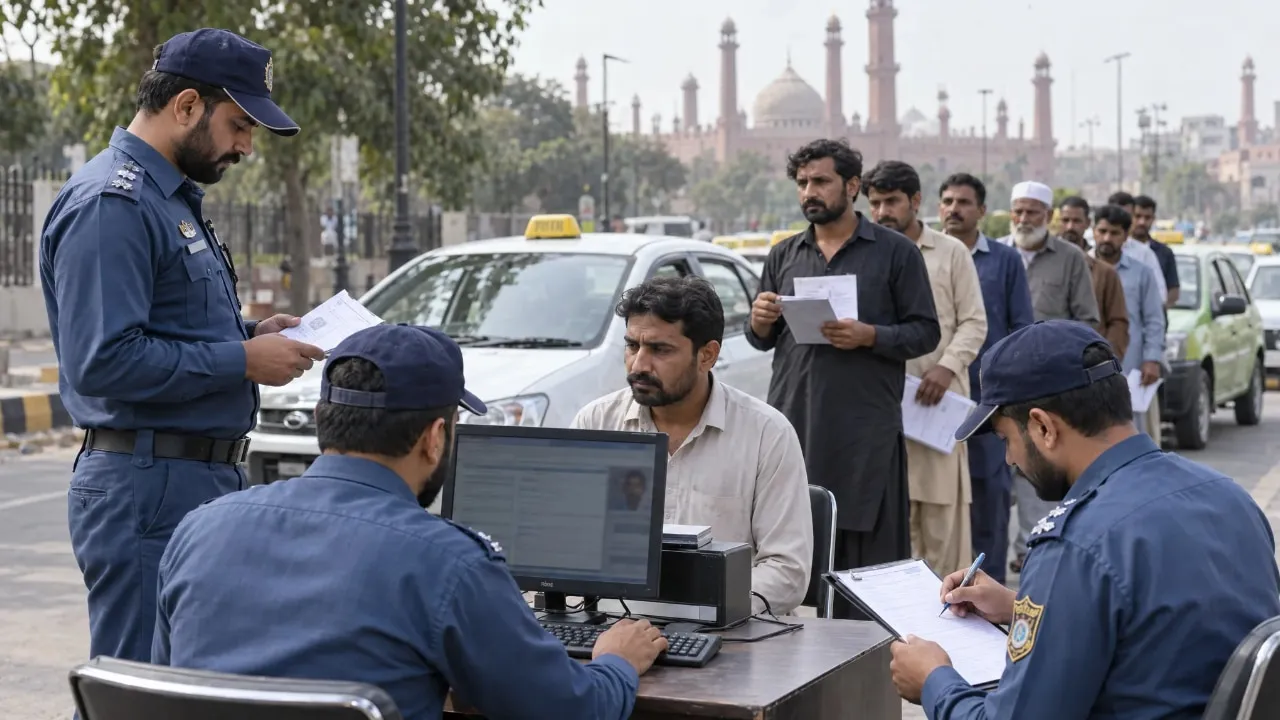
Lahore Traffic Police Screen 10,000 Commercial Vehicle Drivers
A recent traffic police screening exercise in Lahore has uncovered criminal records for more than 2,000 commercial vehicle drivers. According to officials, the traffic police checked the records of 10,000 commercial vehicle drivers and found that 2,050 had criminal records. The screening revealed that a total of 3,700 cases were registered against these individuals.
This major screening operation forms part of a wider crackdown on unsafe ride-hailing operations. Chief Traffic Officer (CTO) Lahore Abdul Raheem Shirazi has actively sought drivers data from all online ride-hailing companies. The primary goal of this data collection is to ensure safe travel for passengers, particularly women who frequently use these digital transportation services.
The authorities initiated this rigorous verification process to address growing safety concerns in the public transport sector. By cross-referencing driver databases with police records, law enforcement agencies aim to identify individuals who pose potential risks to commuters. The high proportion of drivers with recorded criminal histories highlights systemic vulnerabilities in how commercial drivers are traditionally vetted before hitting the road.
Meetings with Online Taxi Companies and Future Screening Plans
The decision to conduct these widespread checks was taken during a high-level meeting between the CTO and representatives of online taxi companies. During these discussions, police officials emphasized the necessity of stricter background checks for anyone operating a vehicle through digital platforms. Representatives from the ride-hailing sector were instructed to cooperate fully with law enforcement by providing comprehensive driver registries.
Building on the initial findings from the first batch of checks, the traffic police have decided to expand their scope significantly. Authorities will now check the records of more than 100,000 motorcycle, rickshaw, and car drivers operating across the city. This massive undertaking aims to cover nearly all commercial operators currently offering transport services to the public.
The inclusion of motorcycle and rickshaw drivers is especially important given the high volume of daily commuters who rely on these affordable transport modes for daily commutes. Many of these smaller vehicles operate through informal networks or smaller digital aggregators that may lack the rigorous internal vetting processes of larger multinational ride-hailing firms. By bringing them into the official police screening framework, the city hopes to close regulatory loopholes that compromise commuter security.
Stricter Rules for Drivers with Serious Offences
Following the discovery of thousands of criminal records, the traffic police department established clear parameters regarding who will be permitted to transport passengers. CTO Abdul Raheem Shirazi stated that drivers with criminal records involving serious offences would not be allowed to operate online cabs. This strict stance marks a firm boundary between minor infractions and major criminal behavior that threatens public safety.
The enforcement of this rule requires continuous coordination between traffic police and digital transport platforms. Ride-hailing companies will be expected to purge their active driver pools of anyone flagged during the police screening process. Failure to comply with these safety directives could result in severe administrative penalties for the companies involved.
For passengers, the implementation of these rules provides a necessary layer of protection against potential harm. Public transport users often place immense trust in digital platforms, assuming that corporate vetting procedures are thorough. The revelation that thousands of screened drivers had active criminal cases underscores why direct police oversight remains essential for maintaining public order and safety on urban roads.
Background of Ride-Hailing Safety and Police Oversight
The rapid expansion of app-based transportation services over the past decade transformed urban mobility in major cities like Lahore. While these platforms offered unprecedented convenience and employment opportunities, they also created regulatory challenges for traditional law enforcement agencies. Ensuring passenger safety in vehicles driven by independent contractors has become a central priority for municipal authorities worldwide.
Historically, commercial transport licensing focused primarily on vehicle roadworthiness and basic driving permits rather than exhaustive criminal background investigations. The integration of digital platforms changed consumer expectations, as riders assumed that app-based companies vetted their workforce thoroughly. However, gaps in data sharing between private corporations and public law enforcement agencies frequently left dangerous individuals operating in plain sight.
Recent incidents and growing public advocacy prompted authorities to take a more aggressive approach to public transport regulation. The Lahore traffic police initiative represents a shift from passive observation to active enforcement of background standards. By demanding direct access to driver registries, police forces are reasserting their role as the primary guarantors of public safety on city streets.
Impact on Commuters, Drivers, and Transport Companies
The ongoing crackdown has immediate practical implications for all stakeholders in the local transportation ecosystem. Commuters, particularly female students and working professionals, stand to benefit from safer travel conditions. Knowing that drivers undergo police record checks reduces the anxiety associated with hailing rides through digital applications, especially during late hours.
For commercial drivers, the new screening measures mean that past legal troubles will be closely scrutinized by authorities. Drivers cleared of serious charges may continue working, but those with records of severe offences face permanent exclusion from the industry. This creates a powerful incentive for legal compliance and good conduct among transportation workers.
Online ride-hailing companies face a challenging operational environment as they adapt to stricter government oversight. These businesses must now invest more resources into verifying driver credentials before onboarding new applicants. While compliance may slow down driver recruitment in the short term, it protects corporate reputations from the catastrophic fallout of security breaches involving passengers.
Next Steps and What to Watch for in Lahore Traffic Enforcement
As the Lahore traffic police proceed with checking more than 100,000 additional drivers, the administrative workload will be immense. Observers should watch for official updates regarding the completion milestones of this broader screening phase. The cooperation level of ride-hailing companies and transport unions will also serve as a key indicator of how effectively these safety policies are implemented.
Another critical development to monitor is the establishment of a permanent framework for sharing criminal record data between police databases and transport companies. Without a continuous update mechanism, driver registries can quickly become outdated as new criminal cases are filed in the courts. Long-term success depends on creating a seamless digital bridge between law enforcement records and commercial transport platforms.
Ultimately, this major crackdown in Lahore sets a significant precedent for urban transit security across the region. The lessons learned from screening thousands of drivers will likely influence future policy decisions regarding public transport licensing and digital platform accountability. Passengers and industry participants alike must prepare for an era of heightened regulatory scrutiny and stricter enforcement of safety standards.





