Discovering Sälen: The Swedish Ski Resort Rivaling the Alps
Skiing in Sweden offers a completely different atmosphere compared to traditional Alpine destinations across France, Austria, Italy, and Andorra. For winter sports enthusiasts looking for wide, manageable slopes without the terrifying drops, Sälen provides an experience that feels remarkably relaxed. The destination stands out as the largest ski resort in Sweden, delivering consistent snow conditions with very few moguls or icy patches to disrupt a smooth descent.
Visitors exploring the area will find that the terrain is generally not too steep or too long, making it an ideal environment for building confidence. Unlike crowded Alpine resorts where skiers constantly dodge massive crowds, Sälen offers plenty of room to manoeuvre. This makes the entire winter holiday feel significantly more accessible for newcomers and families seeking a stress-free environment on the snow.
What Makes Sälen Ideal for Families and Beginners
The resort excels in catering to younger skiers and absolute novices who might feel intimidated by the sheer scale of European mountains. The main ski school in the region holds the title of Northern Europe's largest, offering structured lessons for all ages. Younger children starting from age three can join specialized classes featuring the resort's official mascot, Valle the snowman. Valle regularly joins instructors on the slopes, leading groups of children down the trails and creating unforgettable holiday memories.
Beyond traditional lessons, the resort incorporates whimsical attractions designed to keep children entertained throughout the day. The Troll Forest features large and small troll figures hidden among the trees, murmuring and singing as skiers glide past. These unique touches transform a standard ski lesson into an imaginative adventure, ensuring that kids remain engaged and excited about spending time outdoors in the freezing weather.
The World's First Ski-Through McDonald's and Unique Dining
One of the most talked-about novelties in the area is the world's first ski-through McDonald's restaurant. Skiers craving a quick burger or fries can slide right up to the service window without even taking off their equipment, combining fast-food convenience with winter sports in a truly unexpected way. This unusual feature adds a fun talking point to any holiday itinerary in the region.
Dining in Sälen extends far beyond fast food, offering traditional local experiences deep within the snowy wilderness. Evening excursions often involve taking a horse-drawn sleigh through the forest, complete with reindeer skins for warmth and flaming torches guiding the way. Guests arriving at a cluster of teepees can enjoy a hearty dinner of blueberry soup served in an edible bread bowl, followed by soft and tasty moose stew enjoyed with a home-made knitted beer mitt.
Exploring the Four Ski Areas of Sälen
The entire destination is spread across four distinct ski zones, namely Lindvallen, Hundfjället, Högfjället, and Tandådalen. All four areas operate under a single unified ski pass, which also grants visitors free access to the ski-bus network connecting the different locations. This seamless integration allows holidaymakers to explore various parts of the mountain range without worrying about purchasing separate tickets for each sector.
Accommodation options range widely, including a stay at the ski-in, ski-out Högfjällshotell located in the smaller Högfjället zone. This particular hotel sits just a 20-minute transfer away from the Scandinavian Mountains Airport, where visitors are greeted by a blanket of snow the moment they land. Pre-booking a husky sled to transport luggage and passengers from the terminal adds an extra layer of authentic Arctic adventure right at the start of the trip.
Aprés Ski Culture and Nightlife in Sweden
Evening entertainment in the region carries a reputation for high-energy celebrations driven by enthusiastic locals. The basement of the Högfjällshotell houses a cavernous nightclub where young Swedish visitors gather for lively nights out. The local aprés ski scene is characterized by a good-natured boisterousness, with patrons quickly forming connections and singing traditional songs together.
Visitors can easily find themselves pulled into group dances and festive circles while classic anthems play through the venue. This welcoming atmosphere ensures that travelers from other countries feel included in the local traditions, making the off-slope hours just as memorable as the time spent gliding down the mountain trails.
Alternative Winter Activities Beyond the Slopes
For those looking to take a break from downhill skiing, the region provides numerous alternative ways to experience the winter wonderland. Snowmobiling offers an exhilarating, albeit slightly fast-paced, journey through falling snow up to a remote mountain cabin. Visitors who hold a driving licence can pilot these machines along snowy tracks before stopping to enjoy local-style waffles and hot chocolate by a warm fire.
Another popular option involves dog sledding with energetic huskies pulling the transport along narrow forest trails. Controlling the speed requires standing on a narrow perch at the back of the sled and operating a large plough-style brake. Once comfortable with the technique, guests can admire the surrounding scenery featuring tall, skinny Norwegian spruces covered in heavy layers of snow that resemble icing sugar.
Practical Considerations and Challenges for Skiers
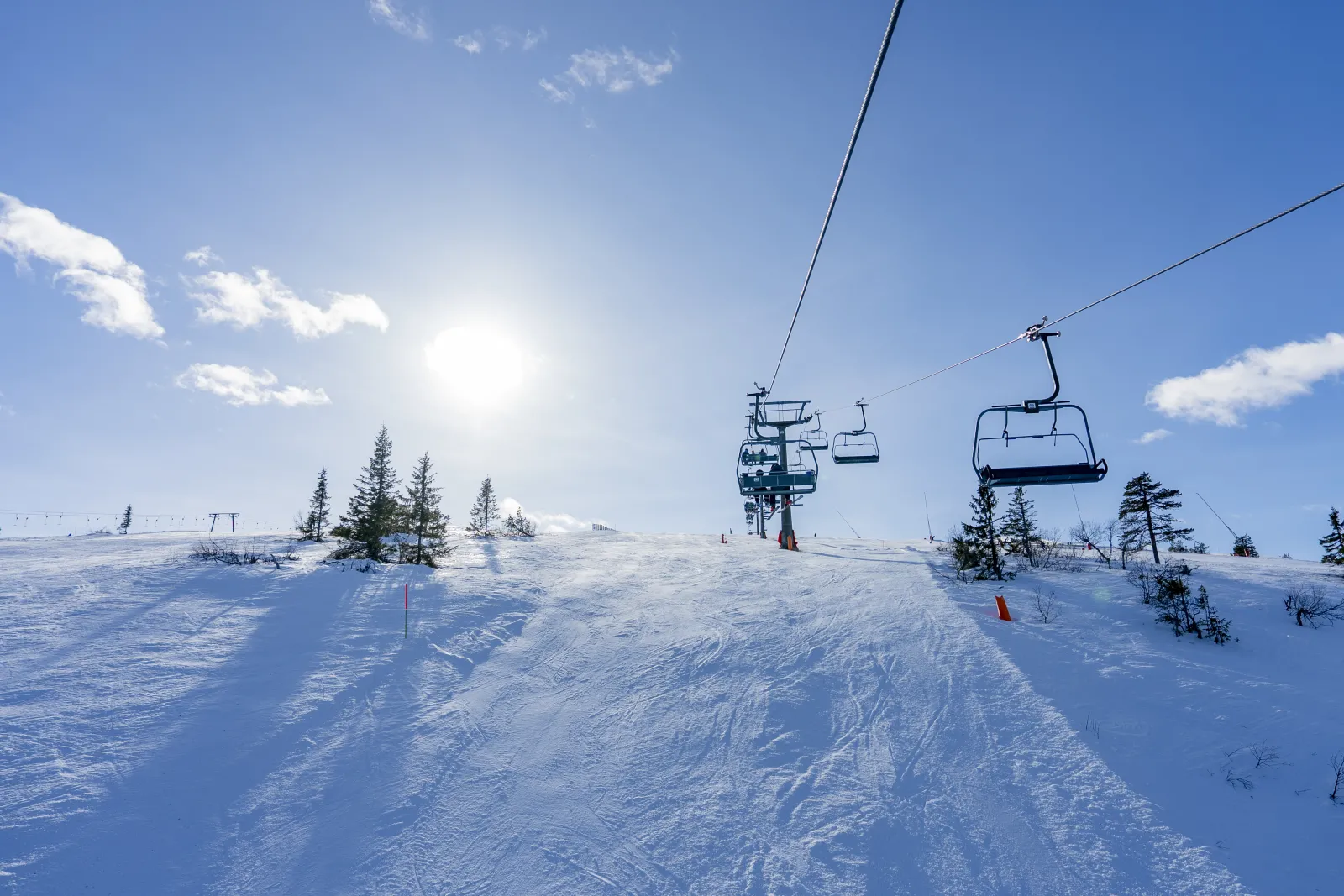
While the destination provides an exceptional environment for novices, advanced skiers might find the terrain somewhat limited in terms of technical challenges. Only a small number of slopes offer steep descents, meaning experienced visitors looking for difficult black runs may exhaust the challenging options quickly. Additionally, the lift network retains a fairly traditional setup, relying on button lifts and T-bar lifts to help travelers navigate between different sectors.
The most important factor to prepare for before visiting is the extreme cold that routinely affects the region. Temperatures during daytime hours frequently drop between -13C and -15C, with colder spells dipping even lower during peak winter weekends. Experts recommend packing thermal gloves to wear underneath standard ski gear, wool-lined socks, and taking regular breaks indoors to warm up with hot chocolate.