Why Manchester United Had No Succession Plan for Michael Carrick
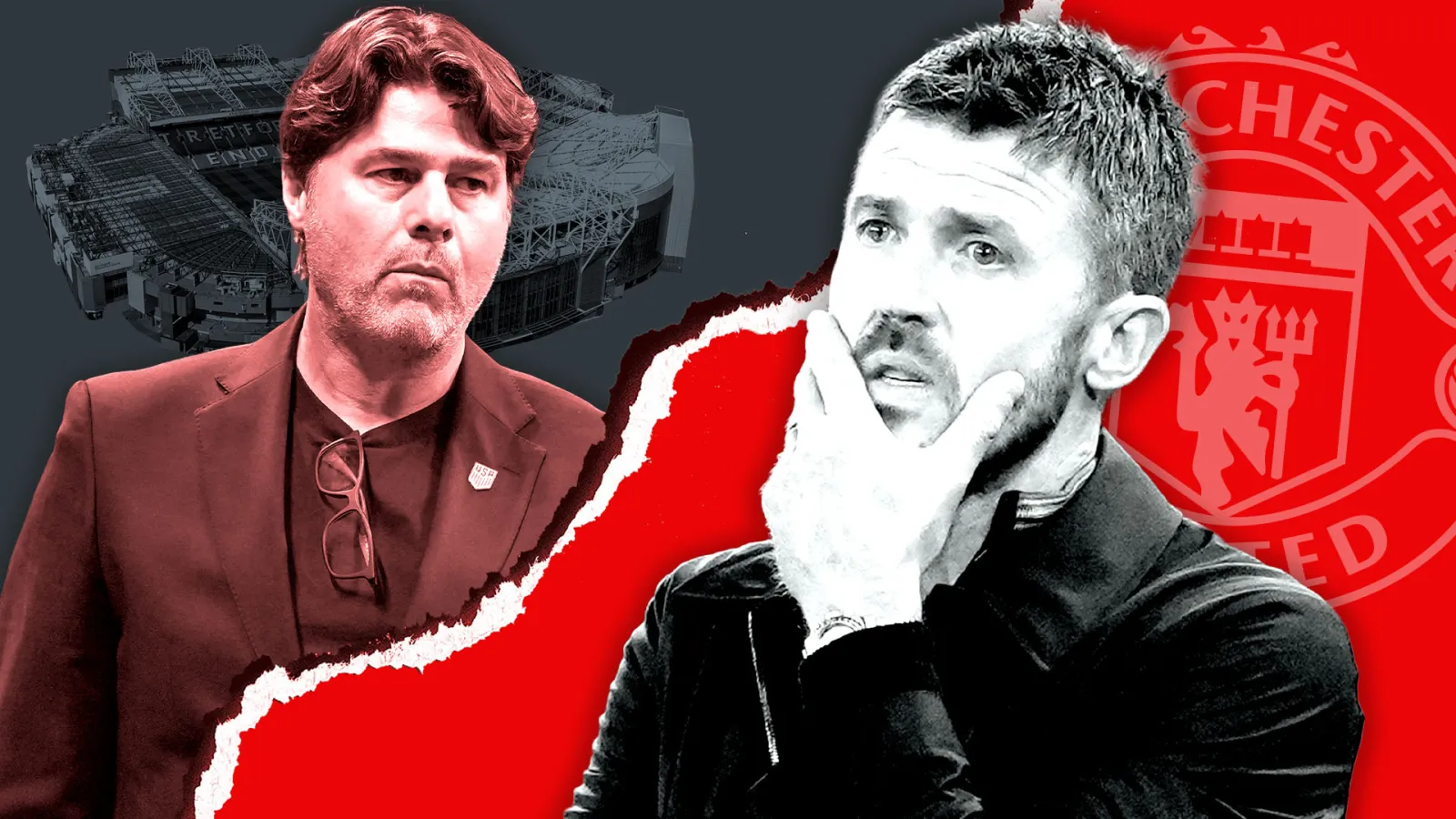
Manchester United operated without any formal succession plan for Michael Carrick until just two weeks before his dismissal. The club hierarchy finally dismissed Carrick on Thursday following a disastrous run of results that yielded only one victory from ten Premier League matches. This sequence of poor performances left the team languishing in 18th place in the league table, sparking intense scrutiny over the direction of the club.
Speculation surrounding Carrick intensified significantly after a heavy 3-0 defeat inflicted by Bournemouth on October 25. Despite the heavy loss and mounting pressure from the fanbase, United officials confirmed 40 hours after that match that Carrick would be given more time to reverse the declining form. Sources have since confirmed that the club only initiated a concrete succession plan at that exact moment, targeting the November international break as the intended window for a managerial change.
Senior figures at the club ultimately deemed the domestic league form entirely unacceptable. This consensus drove the decision to sack Carrick just ten months after he rejoined the organization on a permanent basis. The delay in forming a contingency strategy highlights a reactive approach to leadership changes at the highest levels of the club.
Inside the Decision to Sack Michael Carrick
The mechanics of the dismissal involved high-level travel and administrative coordination among key executives. United chief executive Omar Berrada and director of football Jason Wilcox did not inform Carrick that he had been officially sacked until Thursday morning. News of his impending departure had already leaked on Monday, yet the former head coach continued to lead training sessions on Tuesday and Wednesday while senior executives were out of the country.
Berrada and Wilcox flew to Monaco on Tuesday for a crucial meeting with United co-owner Sir Jim Ratcliffe on Wednesday. Following their discussions on the French Riviera, the executives flew back to Manchester on Wednesday night to finalize the administrative steps required for the coaching transition. Despite the swift movement at the executive level, the timing left the team briefly in limbo while training sessions continued under the outgoing manager.
Club officials remain defensive regarding their initial decision to appoint Carrick on a permanent basis. That appointment followed a strong run last season where Carrick lifted the team to third place in the standings to successfully secure qualification for the UEFA Champions League. During that interim period, Carrick won 12 out of 17 games, but the momentum evaporated completely as the team managed only three victories in 15 matches across all competitions this term.
Fan Frustration and Boardroom Accountability at Old Trafford
Senior figures within the executive structure are thoroughly convinced that the current playing squad is severely underperforming relative to its capabilities. Officials have stressed publicly that they share the exact level of frustration and anger felt by supporters regarding recent displays and the precarious league position. However, the direct anger of matchgoing supporters has been primarily directed toward Berrada, Wilcox, Ratcliffe, and the Glazer family rather than the coaching staff.
While executives faced intense backlash from the stands, Carrick retained substantial backing from the supporters who regularly and ardently serenaded him during matches. The disconnect between boardroom evaluations and fan sentiment underscores the immense pressure facing the entire leadership structure. Accountability remains a central theme as the club attempts to stabilize its sporting department amidst mounting domestic struggles.
The ownership group moved swiftly to secure a replacement once the decision was locked in. United co-chairman Avram Glazer formally signed off on the imminent appointment of Mauricio Pochettino on Wednesday evening. The approval clears the path for a new era, though logistical hurdles immediately complicate the transition timeline for the incoming coaching staff.
Mauricio Pochettino Arrival Delays and National Team Commitments
The arrival of Mauricio Pochettino in Manchester faces unavoidable delays that could push his official start date back to next Wednesday at the earliest. The delay stems from his current international commitments, as he appears set to take charge of the United States national team for their upcoming Concacaf Nations League quarter-final double-header against Haiti. Juggling these international duties requires a brief holding period before he can permanently relocate to club headquarters.
In the interim, the club must arrange short-term training oversight while awaiting the completion of those international fixtures. Darren Fletcher, the club under-18 coach who previously took caretaker charge of two matches in January, arrived at the Carrington training ground on Thursday morning. His low profile upon arrival raised immediate possibilities that he could reassume caretaker duties until Pochettino completes his national team obligations and arrives in Manchester.
The transition period requires careful management to ensure the squad maintains basic physical conditioning during the international break. Players remaining at the training ground will need structured guidance while awaiting the new tactical philosophy. The upcoming days represent a critical bridge phase before the formal introduction of the incoming coaching staff.
What the Managerial Change Means for the Squad
The dismissal of the coaching staff places renewed pressure on the playing squad to demonstrate accountability on the pitch. Executives have made it clear that player performance levels must improve dramatically to escape the relegation zone. The arrival of an experienced manager like Pochettino signals a strategic shift aimed at establishing tactical discipline and long-term stability.
Players must adapt quickly to new training methods and tactical instructions once the new coaching team takes over full control at Carrington. The international break provides a brief window for initial assessments, though many senior players will be away with their respective national teams. The full squad will only assemble under the new manager once international fixtures conclude later in the month.
The immediate objective for the club centers on climbing away from 18th place in the Premier League standings. Every fixture following the resumption of domestic play carries heightened importance for the supporters and the administration alike. Success under the new leadership will depend on how rapidly the squad absorbs tactical adjustments and translates training ground work into positive matchday outcomes.