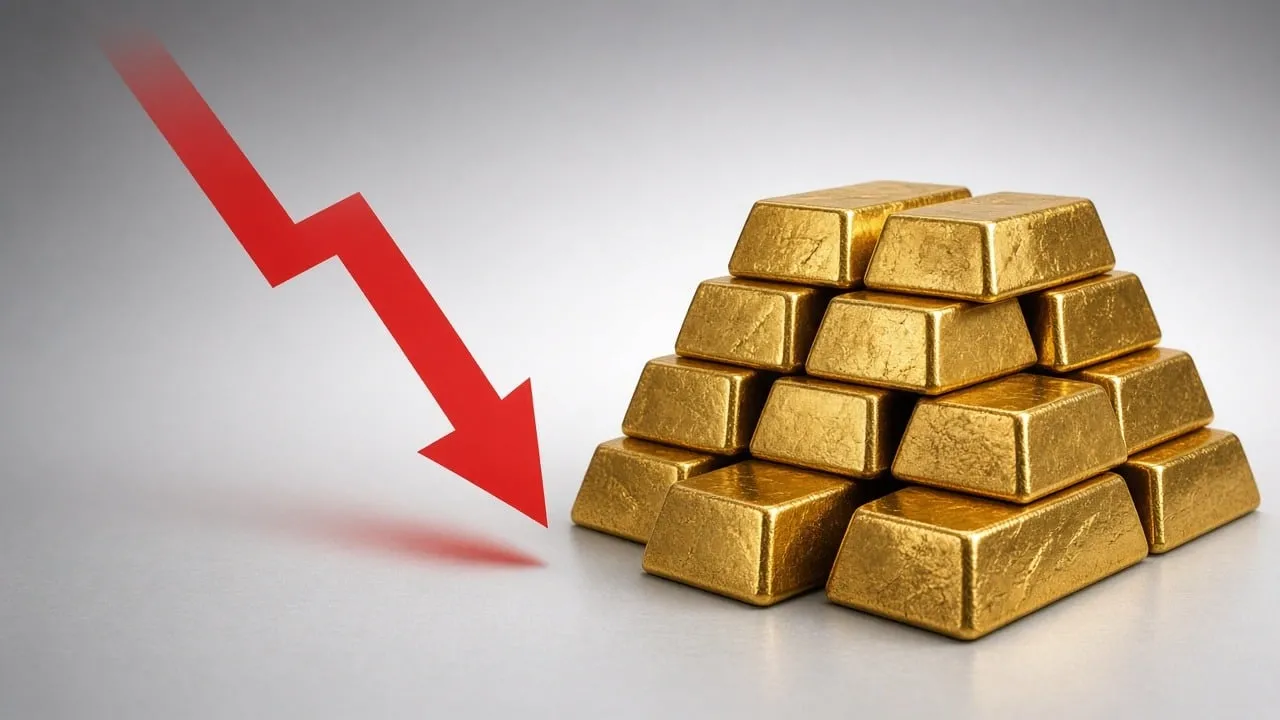
Gold Prices in Pakistan Suffer Massive Crash Again
Gold prices declined in Pakistan on Thursday, with the price of 24-karat gold falling by Rs. 10,900 per tola to Rs. 416,536. This sharp downward movement marks one of the most substantial single-day drops recorded in recent domestic trading sessions, catching local bullion traders and retail buyers by surprise.
According to the All-Pakistan Gems and Jewellers Sarafa Association (APGJSA), the price of 10 grams of gold also decreased by Rs. 9,345 to Rs. 357,112. The steep correction follows a period of volatile trading patterns that have characterized both local and international precious metals markets over recent weeks.
The decline followed a Rs. 3,400 decrease in the per-tola price on Wednesday, when gold dropped to Rs. 427,436. Together, these consecutive downward adjustments wiped out significant paper gains for investors holding the precious metal inside the country.
International Market Forces Drive Local Gold Price Drop
In the international market, gold prices fell by $109 to $3,940 per ounce, contributing directly to the decline in local rates. Pakistan relies heavily on international bullion benchmarks to price its domestic inventory, making local merchants vulnerable to shifts on global trading floors.
Global economic indicators, currency fluctuations, and shifting investor sentiment toward risk assets often dictate the direction of international bullion. When overseas rates experience sudden sell-offs, domestic associations adjust local calculations to reflect the new cost per ounce.
Traders watch foreign exchange reserves and global inflation data closely to anticipate these movements. The drop of over one hundred dollars in a single session demonstrated strong selling pressure among global institutional investors.
Impact on Silver Prices and Domestic Bullion Markets
Meanwhile, silver prices decreased by Rs. 190 per tola to reach Rs. 5,578 in Pakistan. Silver often follows the broader trajectory of gold during market corrections, moving downward as industrial demand and precious metal sentiment cool simultaneously.
Local jewellers in major urban centers like Karachi, Lahore, and Islamabad reported subdued customer traffic following the announcement of the revised rates. Many retail buyers adopt a wait-and-see approach during sharp downward corrections, hoping prices might fall further before making purchases for weddings or personal investment.
Small-scale investors who bought gold at higher rates face short-term losses on their holdings. However, long-term market participants view these corrections as standard adjustments within a historically volatile asset class.
Understanding the Role of the APGJSA
The All-Pakistan Gems and Jewellers Sarafa Association serves as the primary body responsible for monitoring and releasing daily gold and silver rates across the country. The association gathers data from international exchanges and local market supply chains to calculate official rates.
Jewellers and financial institutions rely on these official figures to execute daily transactions, ensure fair pricing, and maintain transparency in the bullion sector. Discrepancies between international spot prices and local rates are usually adjusted based on domestic currency exchange values and import logistics.
Consumers purchasing ornaments or bullion bars typically reference APGJSA rate sheets before visiting physical shops. The association updates rates daily from Monday through Saturday to reflect ongoing market activity.
What the Recent Gold Crash Means for Investors
Precious metals have traditionally served as a hedge against inflation and currency depreciation within Pakistan. When the local currency faces pressure, citizens often convert savings into physical gold to preserve purchasing power.
However, sudden crashes highlight the risks associated with short-term speculation in commodities. Financial analysts consistently advise retail buyers to evaluate their risk tolerance and investment horizons before committing large sums of capital to bullion.
Market watchers continue to monitor foreign economic data and local currency stability to determine whether gold will stabilize or experience further downward pressure in upcoming trading sessions.





