Nearly 100 Labour MPs have written to Prime Minister Andy Burnham demanding he blocks drilling at Rosebank - Britain's biggest untapped oil field - as the party faces a growing internal rift.
The letters arrive amid reports that some ministerial aides are considering resignation if the project receives the green light, while roughly 80 Labour MPs are quietly preparing a counter-letter urging the government to approve the scheme.
What is the Rosebank Project and why is it contentious?
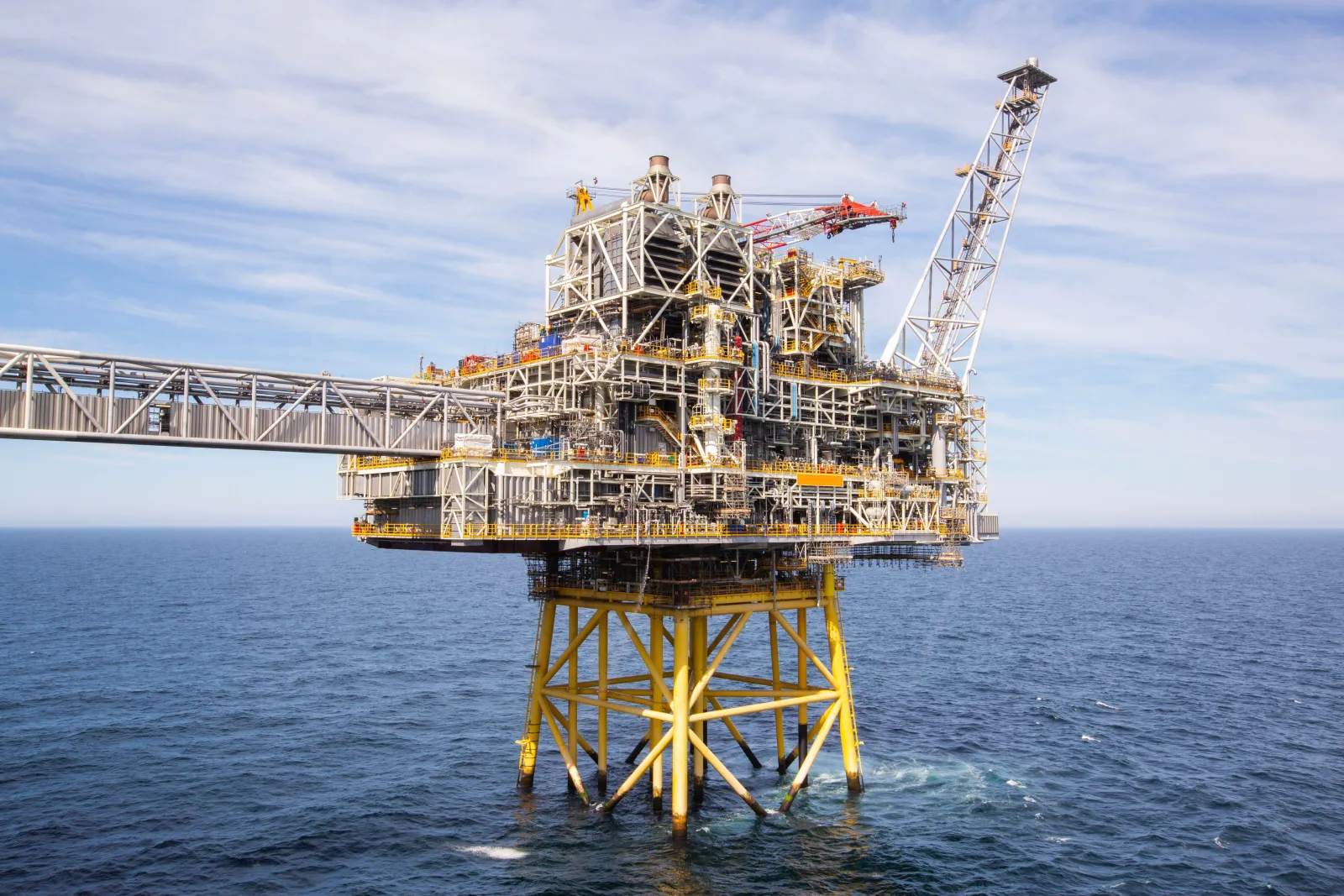
Rosebank is a massive offshore oil field located in the North Sea, estimated to hold billions of barrels of recoverable oil. The field has been identified as the United Kingdom's largest untapped reserve, and its development would require new licences and significant investment in drilling infrastructure.
Supporters argue that the project could generate up to £1.6 billion in revenue, create hundreds of high-skill jobs, and reduce the country's reliance on imported energy. Critics counter that any new fossil-fuel extraction would lock the UK into higher carbon emissions, undermining the government's Net-Zero commitments and damaging the Labour Party's climate credibility.
How the split emerged within Labour
According to the letters, the anti-drilling bloc of MPs warned that approving Rosebank would "permanently damage our climate credentials as a party and as a country". The wording reflects a broader concern that Labour's pledge to reach Net-Zero by 2050 could be compromised by new oil licences.
Conversely, a separate group of about 80 Labour MPs has reportedly drafted a private letter urging the government to give the green light. Sources say the group is weighing the publication of that letter, which would signal a coordinated pro-drilling stance within the party.
Potential parliamentary move: amendment to energy legislation
Pro-drilling rebels are reportedly considering an amendment to Labour's energy legislation next week. The amendment would aim to overturn the current ban on new North Sea oil and gas licences, effectively reopening the sector to development.
Both the Conservative Party and the Reform Party have publicly vowed to back any amendment that seeks to scrap the ban, indicating that the issue could become a cross-party flashpoint in the upcoming parliamentary session.
Key figures and their positions
Energy Secretary Miatta Fahnbulleh holds the decisive authority on the matter. By law, she must remain impartial when making the final decision on whether to grant licences for Rosebank.
Fahnbulleh, described as a protégé of former Labour leader Ed Miliband, has a public record of supporting Net-Zero policies and opposing new oil and gas drilling. Nevertheless, she faces pressure from Scottish MPs, who see the project as an economic boon for the region, and from Chancellor John Healey, who is said to be backing the project.
One MP, quoting a colleague, said she is "like Icarus - flying too close to the sun" and accused the Energy Secretary of "trying to stir up a revolt over the proposal despite being a Cabinet minister". The same MP added, "She sat on the frontbench when she was organising the revolt against welfare under Keir Starmer. Rosebank is rebellion number two for her. But she is like Icarus - flying too close to the sun."
Historical context: Labour's climate track record
Labour's stance on fossil-fuel extraction has shifted over the past decade. In 2015 the party pledged to halt new oil licences, a policy reinforced after the 2019 general election when climate became a central campaign theme. Since then, the party has introduced a Climate Change Act amendment that bans new licences for offshore oil and gas extraction, a move that has been praised by environmental groups but criticized by parts of the energy sector.
The current dispute revives a pattern of internal debates that surfaced during previous policy battles, such as the 2022 welfare reform proposals, where factions within the party clashed over the direction of social policy.
Implications for the UK energy landscape
If the amendment succeeds and Rosebank is approved, the UK could see a short-term boost in domestic oil production, potentially lowering wholesale gas prices and reducing the need for imports. However, the International Energy Agency warns that expanding fossil-fuel production runs counter to global pathways for limiting warming to 1.5 °C.
For Scotland, the project promises significant regional investment, with estimates of up to 1,000 jobs linked directly to drilling activities and ancillary services. For the rest of the UK, the debate touches on the balance between energy security and climate ambition.
Should the Energy Secretary refuse the licence, Labour would maintain its ban, reinforcing its climate credentials but possibly missing out on immediate fiscal gains.
What comes next?
The next week is expected to see the drafting of the amendment, followed by a parliamentary debate. The amendment's wording and the level of cross-party support will determine whether it reaches a vote.
Regardless of the amendment's fate, the final decision rests with Energy Secretary Miatta Fahnbulleh, who must submit a recommendation to the Cabinet. The Cabinet will then decide whether to grant the licence, taking into account legal obligations, economic forecasts, and political pressure.
Watch for statements from the Chancellor's office, the Scottish Government, and environmental NGOs, as they are likely to issue position papers in the coming days.
Practical takeaways for readers
- If you live in a constituency represented by an MP who signed the anti-drilling letter, expect heightened local campaigning on climate issues.
- Businesses in the offshore services sector should monitor parliamentary developments, as an approval could trigger a surge in contracts.
- Environmental groups may organise protests or legal challenges should the licence be granted, potentially leading to court cases.
The Rosebank debate illustrates how a single energy project can expose deep ideological divides within a major political party, and how those divides can shape national policy for years to come.