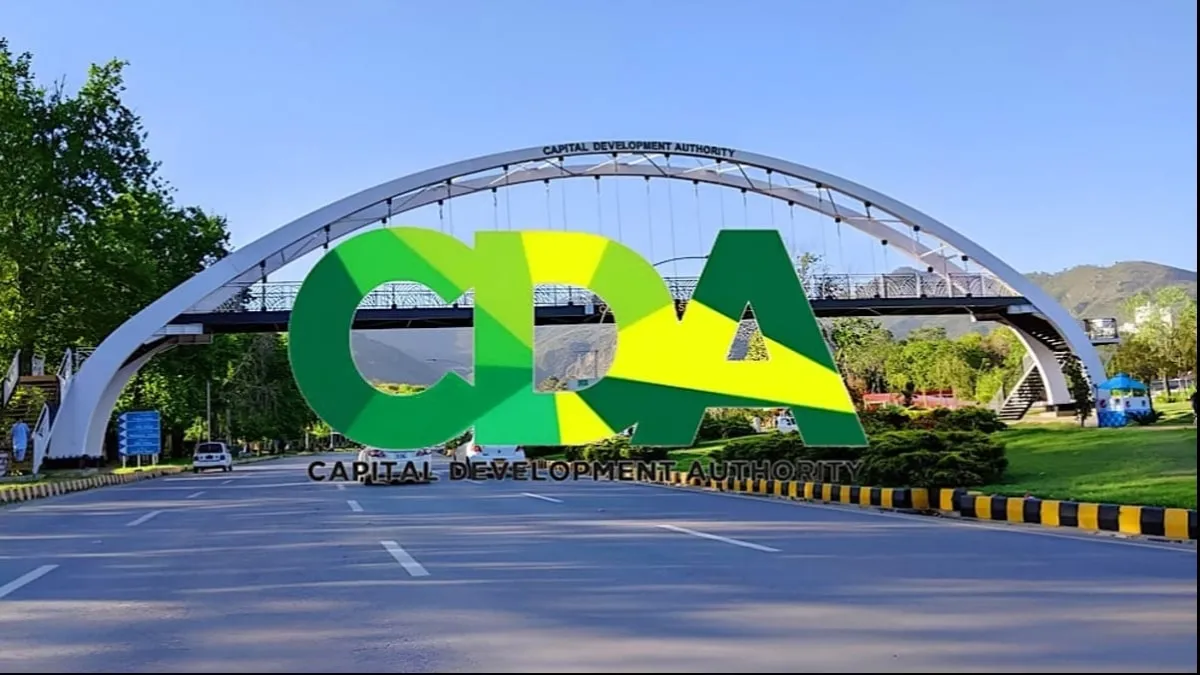
Construction of the Margalla Avenue extension from N-5 to M-1, together with the Sangjani Interchange project, has reached 35 percent completion, with work continuing around the clock to accelerate progress.
Capital Development Authority (CDA) Chairman and Islamabad Chief Commissioner Sohail Ashraf visited the construction site to review progress. Senior CDA officials briefed him on ongoing activities, confirming that construction teams were working 24 hours a day across different sections of the project.
What Is the Scope of the Margalla Avenue Extension and Sangjani Interchange?
The Margalla Avenue extension is a key segment of Islamabad's master plan to create a high-capacity corridor linking the N-5 National Highway with the M-1 Motorway. The project adds approximately 2.7 kilometres of main-road carriageway and a parallel service road, designed to accommodate up to 30,000 vehicles per day.
The Sangjani Interchange, situated at the junction of the new extension and the existing N-5, includes an underpass, four culverts, and a series of loops and ramps that will allow seamless movement between north-south and east-west traffic flows. The interchange also incorporates an abutment structure for a future bridge over the N-5.
How Far Has Construction Advanced?
According to CDA officials, the widening and extension of the 2.7-kilometre main road is underway, and the service road parallel to the main carriageway is also being built. Structural work on the underpass that forms part of the Sangjani Interchange has been completed, marking a major milestone.
Piling work for the abutments on both sides of the N-5 Interchange Bridge is finished, and four of the five required culverts have been constructed. Work on the fifth culvert is ongoing. Construction of the various loops and ramps that will connect the interchange to surrounding roads is progressing, with crews operating in shifts to keep the site active 24 hours a day.
Why Is the Project Important for Islamabad and Surrounding Regions?
The extension will improve access to Islamabad for commuters traveling from within and outside the federal capital, particularly those arriving from Khyber Pakhtunkhwa. It is also expected to improve connectivity for travelers from Abbottabad, Mansehra and other cities, while providing better access to Islamabad International Airport.
By reducing travel time on the congested N-5 corridor, the project aims to lower vehicle operating costs, cut fuel consumption, and reduce emissions. Business logistics, especially for freight moving between the northern provinces and the capital, stand to benefit from a more reliable route.
What Measures Are Being Taken to Ensure Speed and Quality?
During his site visit, Chairman Ashraf expressed satisfaction with the progress and ordered officials to remove any obstacles that could delay completion. He instructed project teams to maintain construction quality, accelerate work, and ensure transparency throughout the process.
The CDA has instituted a series of quality-control checkpoints, including daily inspections by senior engineers, third-party material testing, and real-time reporting of progress via a centralized dashboard. These steps are intended to prevent rework and keep the project on schedule.
Historical Context and Planning Background
Margalla Avenue was first conceived in the 1990s as part of Islamabad's original master plan, which envisioned a ring of high-capacity roads encircling the city. The extension to M-1 was added in the 2008 Comprehensive Development Plan to address growing traffic demand from the north-west corridor.
Funding for the extension and the Sangjani Interchange comes from a combination of federal allocations and a public-private partnership (PPP) model approved in 2019. The PPP arrangement mandates that the private consortium responsible for construction also operates the interchange for a 20-year concession period, after which full ownership reverts to the CDA.
Who Is Directly Involved in the Construction?
The primary contractor is a joint venture between a local engineering firm and an international construction company, both with experience in large-scale highway projects. Senior CDA officials overseeing the project include Project Director Faisal Khan and Chief Engineer Ayesha Malik, who coordinate daily activities with the contractor's site manager.
Labor for the project is sourced from both local skilled workers and specialized crews brought in for specific tasks such as piling and concrete casting. Safety officers conduct daily briefings to ensure compliance with occupational health standards.
What Are the Next Steps and Timeline?
The CDA has set a target of reaching 70 percent completion by the end of the next fiscal year, followed by final paving, signage, and road-safety installations. Once the structural components are finished, the project will move into the testing phase, which includes load-bearing assessments of the underpass and bridge, as well as drainage performance checks for the culverts.
After successful testing, the CDA plans a formal inauguration ceremony, likely to be attended by federal officials and provincial representatives from Khyber Pakhtunkhwa. No exact date has been announced, but the timeline suggests a possible opening in early 2025.
Practical Takeaways for Commuters and Businesses
Commuters from Abbottabad, Mansehra, and surrounding districts should anticipate reduced travel times once the extension is operational. Freight operators can expect smoother transit to the Islamabad International Airport, potentially lowering logistics costs.
During the construction phase, drivers may encounter temporary diversions and night-time traffic management measures. The CDA advises motorists to follow posted signage and to use alternate routes where indicated.
Overall, the project represents a significant investment in the capital's transport infrastructure, aiming to support economic growth, improve road safety, and enhance regional connectivity.





