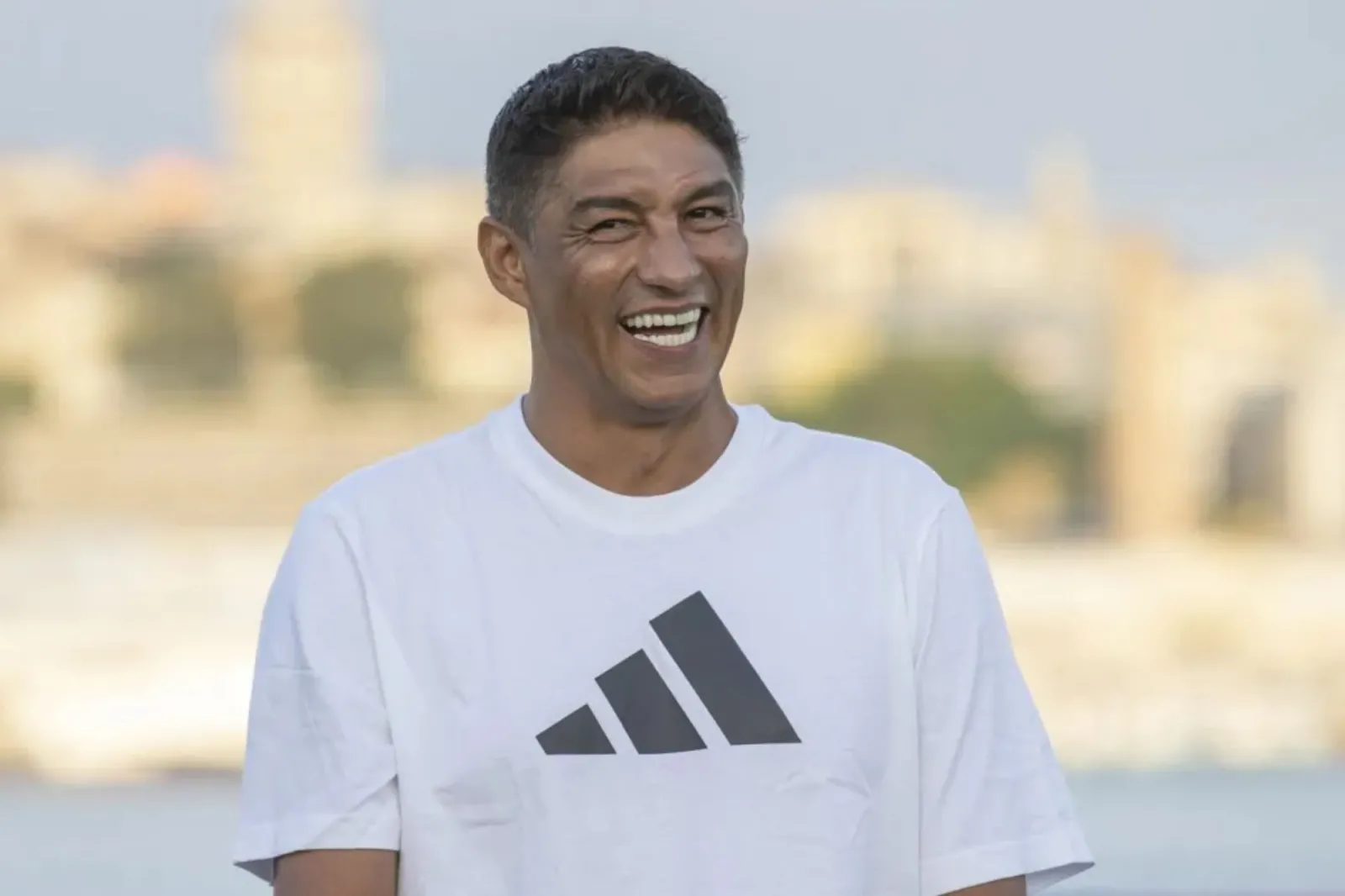
Former Premier League striker Mario Jardel has revealed he nearly died from a cocaine overdose after spiralling into depression and alcohol abuse.
The Brazilian, 53, enjoyed a glittering career in Europe before his life took a devastating turn following his omission from the 2002 World Cup squad.
Why Jardel's Story Matters
Jardel's admission shines a light on the mental-health pressures that elite athletes face when career milestones slip away. His experience also underscores the lack of support structures for players dealing with disappointment, substance abuse and family turmoil.
Career Highlights Before the Crisis
Mario Jardel built a reputation as one of Europe's most lethal forwards in the late 1990s and early 2000s. At Porto he recorded 168 goals in 175 matches over four seasons, a strike-rate that placed him among the continent's elite. He then moved to Sporting Lisbon, where he netted 55 goals in 42 appearances during his final full season.
His prolific scoring earned him two European Golden Shoes, confirming his status as one of the five best centre-forwards in the world at the time. Despite these achievements, the Brazil manager Luiz Felipe Scolari left him out of the squad that went on to win the 2002 World Cup.
How the World Cup Snub Triggered a Downward Spiral
Jardel told Italy's La Gazzetta dello Sport that the exclusion shattered his confidence. "Playing in a World Cup was the dream of my life," he said, adding that personal setbacks - his first wife leaving him and a custody battle over his children - compounded his sense of loss.
He described falling into depression and turning to alcohol to numb the pain. "I fell into depression and started drinking excessively," he explained.
The Cocaine Episode and Near-Death Experience
In the summer of 2003, while on holiday, Jardel tried cocaine, believing the lack of anti-doping controls gave him freedom to experiment. "I liked it; it made me feel alive and not depressed," he recalled.
He admitted to staying awake for an entire week under the drug's influence. The binge culminated in an overdose that almost cost him his life. "Then I had an overdose, I almost died, and a friend who was with me saved my life," he said, noting that the incident marked his rock-bottom moment.
Professional Setbacks After the Overdose
After the overdose, Jardel joined Bolton Wanderers in August 2003, but he could not replicate his earlier form. He made just seven Premier League appearances and failed to score. A later spell at Italian side Ancona was marred by unpaid wages, with Jardel claiming he went six months without receiving any salary.
Turning the Corner: Recovery and New Life
Jardel credits professional psychiatric help and the support of his second wife, Sandra, for his recovery. "I spent months talking to psychiatrists. I came through it for good when I met my second wife Sandra: she made me understand the meaning of life, and today I'm happy," he said.
He now resides in Fortaleza, Brazil, where he works as an entrepreneur. He says he has left the darkest chapter of his life behind and offers advice to his younger self: "To use his head and rely less on instinct."
Understanding Athlete Mental Health and Substance Abuse
Jardel's story illustrates how career disappointment can trigger mental-health crises. In many football associations, mental-health services are still developing, and players often lack confidential access to counseling. Substance abuse, especially cocaine, is illegal in Brazil and many European countries, and an overdose can cause cardiac arrest, respiratory failure or permanent brain damage.
Professional clubs are increasingly required to provide welfare officers and mental-health professionals, but the implementation varies widely. Jardel's experience shows the importance of early intervention and the role of family support in recovery.
What Comes Next for Jardel and Others
Jardel has not announced any plans to return to football in a coaching or ambassadorial capacity, but his public discussion of addiction may encourage other former players to seek help. Observers will watch whether Brazilian football authorities reference his case when reviewing player-wellbeing policies.
For readers, the key takeaway is that even the most successful athletes can face severe mental-health challenges, and timely professional help combined with personal support can be decisive in turning a life around.