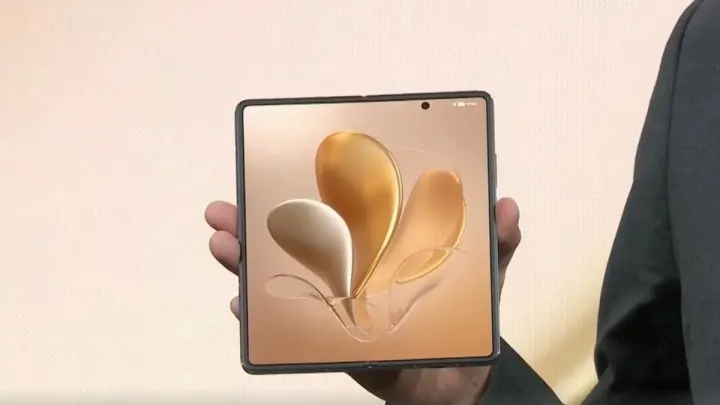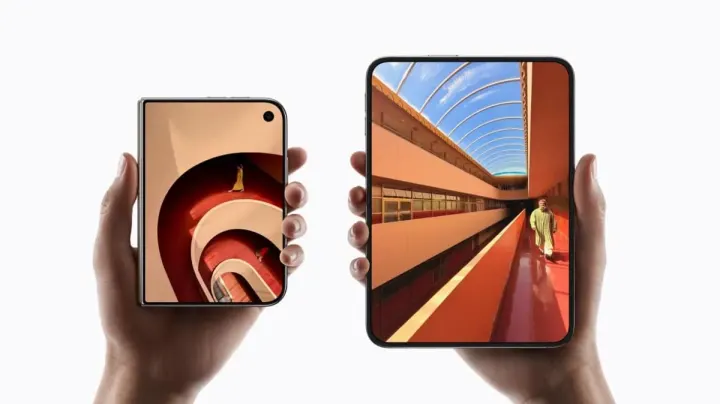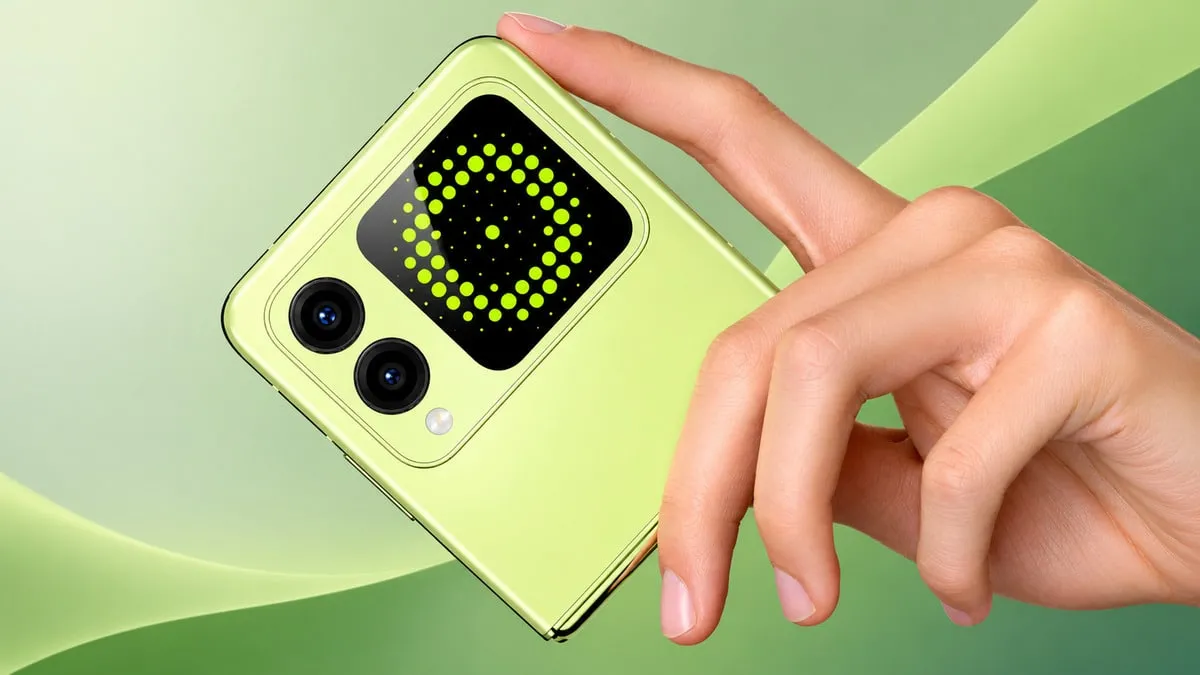
Huawei is reportedly preparing a wider nova Flip for 2027, with a 6.3-inch screen that would give the compact foldable a shorter, broader shape when opened. The rumored redesign fits a trend across the global smartphone industry. Book-style foldables such as Apple's iPhone Duo and Samsung's Galaxy Z Fold 8 have embraced wider proportions, and regular phones such as Huawei's Pura X View are following suit. Huawei's next nova Flip could bring that same shift to its clamshell lineup.
Industry watchers and consumers alike are closely monitoring these hardware changes as manufacturers look for new ways to improve ergonomics and media consumption. Clamshell foldable devices have traditionally relied on tall, narrow aspect ratios to mimic standard candy-bar phones when unfolded, but this approach often leaves users with cramped keyboards and awkward video playback dimensions. By adopting a wider stance, manufacturers hope to solve these usability challenges while maintaining the core pocketability that makes flip phones popular.
What to Expect From the Wider Huawei Nova Flip Design
A Weibo tipster claims the next nova Flip will pair a 6.3-inch folding display with a Kirin 9-series processor, a step up from the Kirin 8030 in the current model. The leak leaves the exact chip, screen aspect ratio, and cover display details unclear. This potential hardware upgrade indicates that Huawei intends to position its upcoming clamshell as a high-tier offering rather than a mid-range alternative.
Huawei launched the nova Flip S in China in October 2025. It kept the original nova Flip's basic design and introduced new colors, a lower starting price, and a different chipset. Its 6.94-inch inner display is larger diagonally than the rumored 6.3-inch panel, which could still offer more horizontal room depending on its proportions. Transitioning to a smaller diagonal measurement while increasing width represents a fundamental geometry shift for the product line.
Huawei has already tried this shape with the Pura X, a foldable with a 6.39-inch inner display and a 16:10 aspect ratio. In July, tipster Digital Chat Station said Huawei was working on a compact wide foldable for 2027. That fueled speculation about a Pura X successor. The latest leak points to the nova Flip, and Huawei has yet to confirm which lineup will get the new device.
Why Smartphone Manufacturers Are Favoring Wider Aspect Ratios
Huawei brought wider proportions to a regular phone with the Pura X View, which has a 6.39-inch screen with a 16:9.5 aspect ratio. Coolpad has also introduced the Cool X Wide, a non-folding Android phone with a 6.38-inch, 16:10 display. Xiaomi and Vivo are reportedly exploring wider regular phones of their own. This collective industry movement suggests that consumer preferences are shifting away from extremely tall displays.
A wider screen gives videos, games, and apps more horizontal space without requiring a taller phone. For a clamshell like the Nova Flip, the appeal would be a wider display when open and a compact body that still folds in half. Users frequently struggle to reach the top corners of tall smartphones with one hand, making a broader, shorter form factor a more ergonomic alternative for daily messaging and web browsing.
Evolution of the Clamshell Foldable Market
The clamshell foldable market has grown rapidly since its inception, moving from novelty status to a mainstream category for mobile users seeking portability. Early models focused primarily on shrinking a standard smartphone in half, resulting in screens that felt stretched and difficult to navigate with two thumbs. As engineering techniques improve, brands can experiment with hinge designs and flexible glass panels that support alternative aspect ratios without sacrificing durability.
Competitors in the foldable space are continually refining their hardware to capture market share among tech enthusiasts and business professionals. While Samsung and Motorola dominate many international regions with their own vertical foldables, Huawei continues to innovate within its domestic market and select territories by leveraging proprietary silicon and unique chassis dimensions. The rumored 2027 timeline gives engineers ample time to perfect the internal mechanics required for a wider folding structure.
Technical Challenges and Silicon Integration
Moving to a broader form factor requires significant adjustments to internal component placement, including battery cells, hinge mechanisms, and circuit boards. Splitting batteries across two halves of a wider chassis demands careful thermal management and electrical engineering to ensure balanced weight distribution. The inclusion of a Kirin 9-series processor also implies that the device will require advanced cooling solutions to maintain performance during intensive tasks like gaming or multitasking.
Software optimization remains equally important when altering display geometries. Operating systems and third-party applications must scale effectively to unconventional aspect ratios to prevent interface elements from appearing distorted or cut off. As Huawei develops this hardware for a potential 2027 release, software developers will need to adapt their user interfaces to support the broader screen estate seamlessly.
What Comes Next for Huawei Foldables
As the industry looks toward 2027, consumers and analysts will watch for official announcements from Huawei regarding the final naming and specifications of these devices. Whether the wider proportions debut under the nova branding or a separate product line like the Pura series, the hardware shift is set to influence how compact foldables are designed. Observers should monitor regulatory filings and supply chain reports for further clues about Huawei's manufacturing roadmap.