Introduction to Medium's New TK Writing App
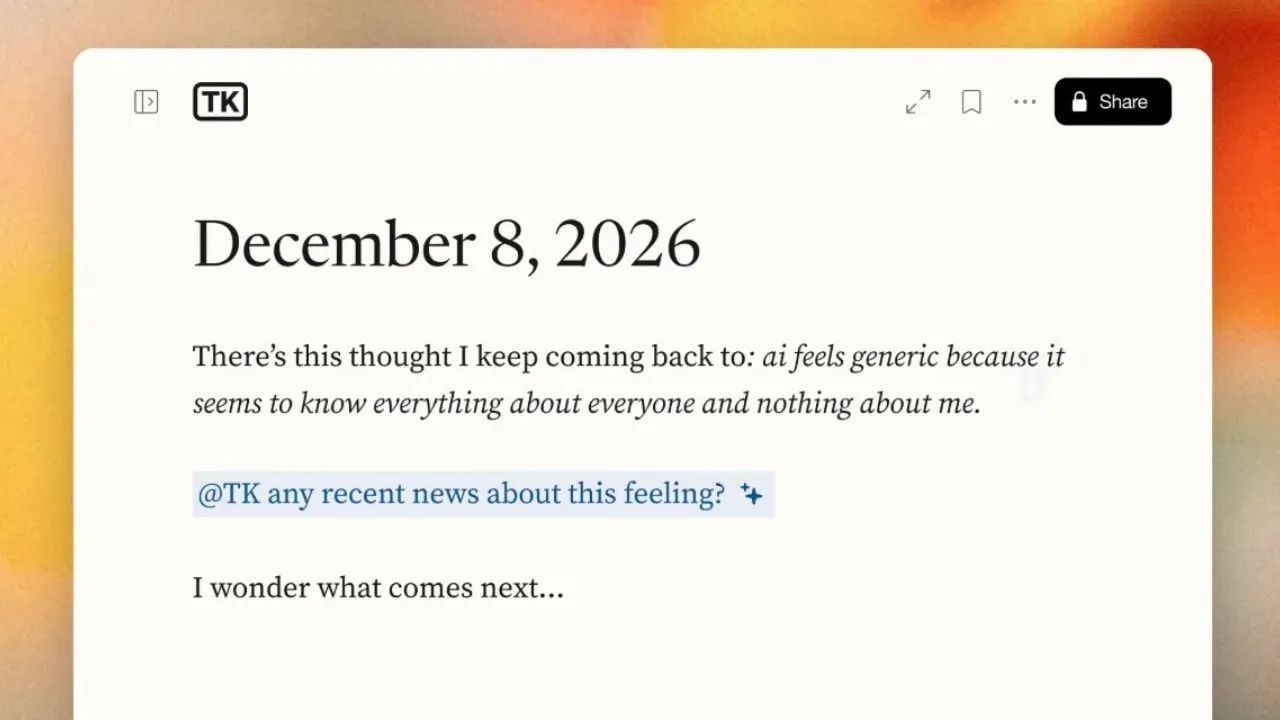
Publishing platform Medium launched a new application named TK on Monday, introducing an artificial intelligence assistant directly inside the writing editor. Users can summon help by typing the symbol @TK followed by a specific request. The application is entirely free for anyone holding a regular Medium account and remains available on the web at launch. Company developers have also confirmed that a dedicated desktop version is currently on the roadmap for future release.
The release arrives at a time when digital publishers and writing platforms are actively experimenting with generative tools. By embedding the assistant directly into the drafting environment, the company intends to streamline the creation process without requiring external browser tabs or separate software programs. Writers can immediately test the features upon logging into their accounts through standard web browsers.
The Origin of the Name TK in Journalism
The name of the application borrows directly from a well-known publishing convention used across newsrooms and magazine offices. In traditional journalism, the letters TK serve as a placeholder meaning to come. Reporters and editors use the letters to mark specific spots within a draft where missing information, verified facts, or supplementary quotes need filling in later before final publication.
This unusual letter pairing stands out clearly in blocks of text because the combination of the letters T and K rarely appears together in standard English words. This visual distinctiveness makes it very easy for copy editors and proofreaders to catch placeholders before a story goes to print. Within the new Medium application, TK takes on an entirely new role by attempting to fill those blanks using automated artificial intelligence assistance instead of human reporting.
Core Features and AI Capabilities of the TK Editor
The artificial intelligence features built into the editor cover several practical writing needs encountered during daily drafting. Users can ask quick research questions directly inside the interface without switching tabs to search external websites. Writers can also pull in bits of earlier writing that have been saved safely inside the application for continuity.
The platform ships with specific editorial skills designed to improve draft quality before publication. These built-in capabilities include receiving immediate headline feedback and checking text against the style guide requirements for specific Medium publications. Additionally, the application can connect directly to a user's own artificial intelligence agent through a Model Context Protocol server or a Claude skill.
This advanced connection allows the assistant to draw upon the agent's memory regarding the user's specific projects, stated positions, and creative ideas. Beyond automated assistance, TK includes a social layer intended for collecting human feedback on works in progress. Writers can share early drafts with other users and gather constructive responses before deciding to publish their work publicly.
Technical Specifications and Collaboration Settings
The software handles file management by importing and exporting Markdown files, though it does not function primarily as a traditional Markdown editor. Because the platform prioritizes team collaboration and peer sharing, writing inside the application is not encrypted end-to-end. To maintain order and privacy, users retain the ability to set custom access control permissions on their individual works.
These permission settings ensure that drafts remain hidden from unauthorized viewers until the author decides to open the document for peer review. The balance between open collaboration and creator control forms a core part of the product design. Authors decide exactly who views their work during the drafting and editing phases.
The Controversy Surrounding Artificial Intelligence in Publishing
The launch of the application arrives at a tense moment for the broader publishing industry regarding automated writing tools. Multiple authors have lost lucrative book deals over suspicions of artificial intelligence assistance in recent months. A Canadian publisher recently ended its professional relationship with an author specifically over concerns related to automated content generation.
Literary awards have also faced intense public scrutiny after winning entries drew accusations of relying on artificial intelligence help. The ongoing debate centers heavily on the exact boundary where editorial assistance ends and true human authorship begins. Critics argue that an artificial intelligence assistant's editorial suggestions can effectively become the writing itself, blurring the lines of original creation.
Medium's Stance and the Introduction of Transparency Notes
Medium is taking the opposite side of that industry argument through this product launch. The company declared publicly that automation makes human writing more important, not less. Executives also called the technology a tool that amplifies human intelligence using the written word as its primary foundation.
However, the platform acknowledged the very real risks involved in widespread adoption. Low-quality content generation and blurred lines between human and machine writing remain genuine industry concerns. To address those fears directly, TK includes a built-in transparency feature for creators.
Authors can publish detailed notes explaining exactly how the technology contributed to their finished pieces. Medium described this system as a vital first step toward making the provenance of writing clear and inspectable in the modern era. That transparent approach includes showing the exact prompting and source material behind any assisted sections, giving readers full visibility into the creation process.