Federal Investigation Agency Stops Passenger at Islamabad Airport
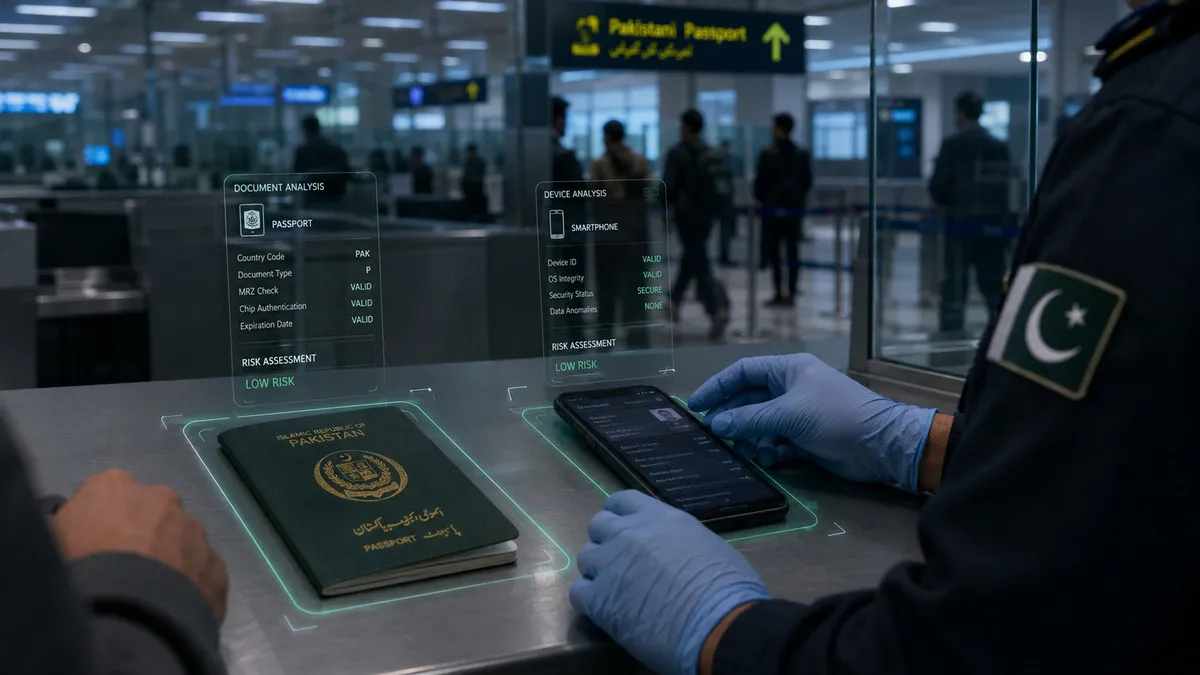
The Federal Investigation Agency stopped a passenger from traveling to Turkey at Islamabad International Airport after detecting alleged fraud involving an NGO/COP31 visa. The inquiry also uncovered an alleged plan to bribe immigration officers through a human smuggling agent. The passenger was due to board Qatar Airways flight QR-615. However, Federal Investigation Agency immigration officers spotted inconsistencies in his travel documents and stated reason for the visit. Officials referred him for secondary screening after his profile and explanation failed to justify the trip. Federal Investigation Agency personnel maintain strict surveillance at major international travel hubs to identify forged documents and unauthorized travel arrangements.
How the Fake NGO Visa Scam Was Uncovered
During further checks, immigration officers examined the passenger's travel documents and mobile devices. According to the Federal Investigation Agency, he had paid an agent Rs. 1.15 million to obtain an NGO/COP31 visa. The agent allegedly told him that the visa allowed him to work in Turkey, despite its terms prohibiting such employment. Officers also reviewed WhatsApp messages and other mobile data. The Federal Investigation Agency said the passenger had no connection with HOPE NGO, the organization linked to the visa. Investigators said the digital evidence showed that the passenger and agent had coordinated to misuse the visa category. Scrutiny of digital devices has become a common method for investigators to uncover coordination between travelers and unauthorized agents.
Attempted Bribery of Immigration Officers Revealed
The inquiry also revealed an alleged attempt to bypass immigration checks through bribery. According to the Federal Investigation Agency, the agent instructed the passenger to offer immigration officers Rs. 150,000 to secure clearance. After offloading him, authorities handed the passenger over to the Federal Investigation Agency Anti-Human Trafficking Circle in Islamabad for questioning and further legal proceedings. Investigators will also pursue the agent involved. Bribery attempts during airport checks carry severe legal consequences and trigger immediate transfer to specialized anti-trafficking units for formal criminal investigation.
Broader Crackdown on Illegal Human Trafficking Networks
The Federal Investigation Agency Islamabad Zone reaffirmed its commitment to acting against illegal immigration networks, fraudulent visa sellers, and human traffickers. It urged citizens to use official travel channels and avoid unauthorized agents when planning overseas journeys. Law enforcement agencies target fraudulent intermediaries who exploit individuals seeking employment or relocation abroad. Authorities monitor illicit migration corridors and examine travel patterns to disrupt organized smuggling rings operating across domestic and international borders.
Understanding Visa Fraud and Secondary Screening
Secondary screening at international airports involves a detailed review of a traveler's background, financial status, and documentation. When front-line officers detect anomalies in a visa category, such as employment restrictions on specific entry permits, travelers face comprehensive questioning. Fraudulent documents often misrepresent the issuing organization or misuse official event titles to deceive border control authorities. Investigators analyze communication logs, money transfers, and electronic correspondence to trace the origin of counterfeit permits and identify the intermediaries responsible for their distribution.
Legal Consequences and Next Steps for Investigators
Following the detention and handover to the Anti-Human Trafficking Circle, investigators focus on locating the agent who facilitated the fraudulent transaction. Legal proceedings under domestic migration and anti-trafficking laws apply to individuals attempting to bypass border controls through deception or bribery. The Federal Investigation Agency evaluates evidence gathered from mobile devices to establish a timeline of coordination between the traveler and the broker. Courts handle these cases by examining the financial records and digital communications recovered during the airport operation.





