Punjab will launch a revised curriculum for Early Childhood Care and Education (ECCE) through Grade V in April 2025, promising textbooks that are 25 per cent lighter, QR-code video lessons and a shift toward digital and conceptual learning.
The plan was announced after an education-reforms meeting of the Punjab government, which cited growing concerns among parents and educationists about the heavy academic load carried by primary-school children.
Why the Curriculum Change Is Needed
In many private schools in Lahore and other major cities, a typical schoolbag contains not only the prescribed textbooks for compulsory subjects but also grammar and mathematics practice books, general-knowledge material, computer-science texts, activity workbooks and a range of supplementary resources. When schools add extra courses without removing existing material, the burden on children increases dramatically.
Parents have reported that children face heavy bags, lengthy homework assignments and pressure to complete several subjects within limited classroom hours. The cumulative effect is higher stress levels and reduced time for play and informal learning, which experts say can hinder overall development.
What the Revised Curriculum Will Change
The core promise of the new curriculum is a 25 per cent reduction in textbook volume. According to a senior official of the Punjab Education Curriculum, Training and Assessment Authority (PECTAA), the revised content for ECCE to Grade V has already been prepared and sent to Cambridge International Education for assessment against international standards.
Final curriculum content is expected in December 2024. PECTAA will begin printing the new textbooks in January 2025, with distribution scheduled before the start of the academic session in April 2025.
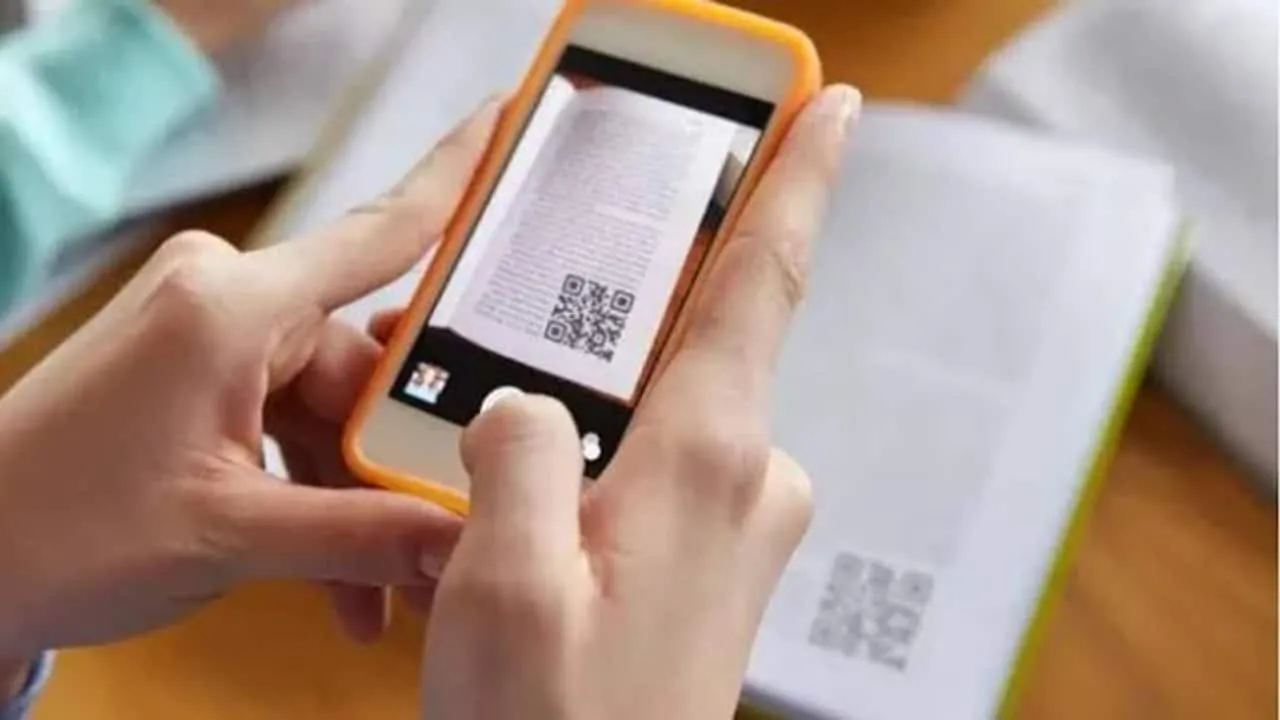
Beyond thinner books, the reform introduces QR codes printed on each page. When scanned with a digital device, the code will open a short video lesson that explains the topic in an audiovisual format. The videos aim to make difficult mathematical concepts, scientific ideas and other subjects easier to understand through demonstrations and visual presentations.
How QR-Code Video Lessons Work
Each QR code links to a secure server managed by the Punjab education department. Teachers can preview the video before class, ensuring it aligns with lesson objectives. Students use a smartphone, tablet or school-provided device to scan the code; the video then streams without requiring a data plan, as the content is cached locally on school Wi-Fi networks.
The digital component is intended to support self-paced revision at home. A child who missed a concept in class can revisit the video, pause, replay and take notes, thereby reinforcing learning without additional teacher intervention.
Potential Impact on Students, Parents and Schools
For students, lighter textbooks could reduce physical strain and make daily transport easier, especially for those who walk or use public transport. The interactive videos may improve comprehension, particularly for visual learners, and could raise overall achievement in mathematics and science.
Parents may see a reduction in the number of books they need to purchase each year, easing financial pressure. However, experts caution that the real benefit depends on whether schools also streamline supplementary reading requirements, homework policies and examination practices.
Public and private schools will need to align their teaching materials with the new curriculum. PECTAA has indicated that compliance will be monitored, but the authority has not yet announced specific enforcement mechanisms or penalties for non-compliance.
Challenges and Criticisms
Educationists warn that cutting textbook pages alone will not significantly ease academic pressure if schools continue to prescribe additional workbooks and practice material. The success of the reform therefore hinges on a holistic review of the entire workload, including after-school tutoring and extra-curricular academic activities.
Another concern is digital equity. While urban private schools are likely to have the necessary devices and internet connectivity, many rural public schools lack sufficient hardware. The government has not detailed a plan to provide tablets or ensure reliable internet access across all districts.
Next Steps and Timeline
Key milestones are as follows:
- December 2024 - Final curriculum content approved.
- January 2025 - Printing of revised textbooks begins.
- February–March 2025 - Distribution to schools, teacher training on QR-code integration.
- April 2025 - New curriculum officially launched at the start of the academic year.
After launch, PECTAA will collect feedback from teachers, parents and students to assess the impact on workload and learning outcomes. Any adjustments to supplementary material policies are expected to be announced after the first semester review.
Practical Takeaways for Parents and Educators
Parents should check with their child's school about the new textbook list and verify whether any previously required workbooks will be discontinued. Educators are advised to attend the upcoming training sessions on QR-code usage, which will cover best practices for integrating video lessons without extending class time.
Schools that wish to adopt the digital component should ensure that devices are charged, that QR-code scanners are installed, and that teachers have access to the video library ahead of the April start date.
Overall, the Punjab government's digital curriculum aims to modernise primary education, reduce physical burdens and provide interactive learning tools. Its ultimate success will depend on coordinated action across curriculum design, school policy and infrastructure provision.