The National Cyber Crime Investigation Agency (NCCIA) announced on Tuesday that it has arrested 1,749 suspects, registered 442 cases and recovered more than Rs149.8 million after receiving 10,386 cybercrime complaints in the last 53 days.
Officials said the agency opened 6,672 inquiries based on those complaints, completed technical analysis of 4,530 URLs and referred 1,186 illegal web links to the Pakistan Telecommunication Authority (PTA) for blocking. The figures illustrate a coordinated effort to tackle both online fraud and traditional call-centre scams that have plagued Karachi for years.
What the Numbers Reveal About Karachi's Scam Call Centre Problem
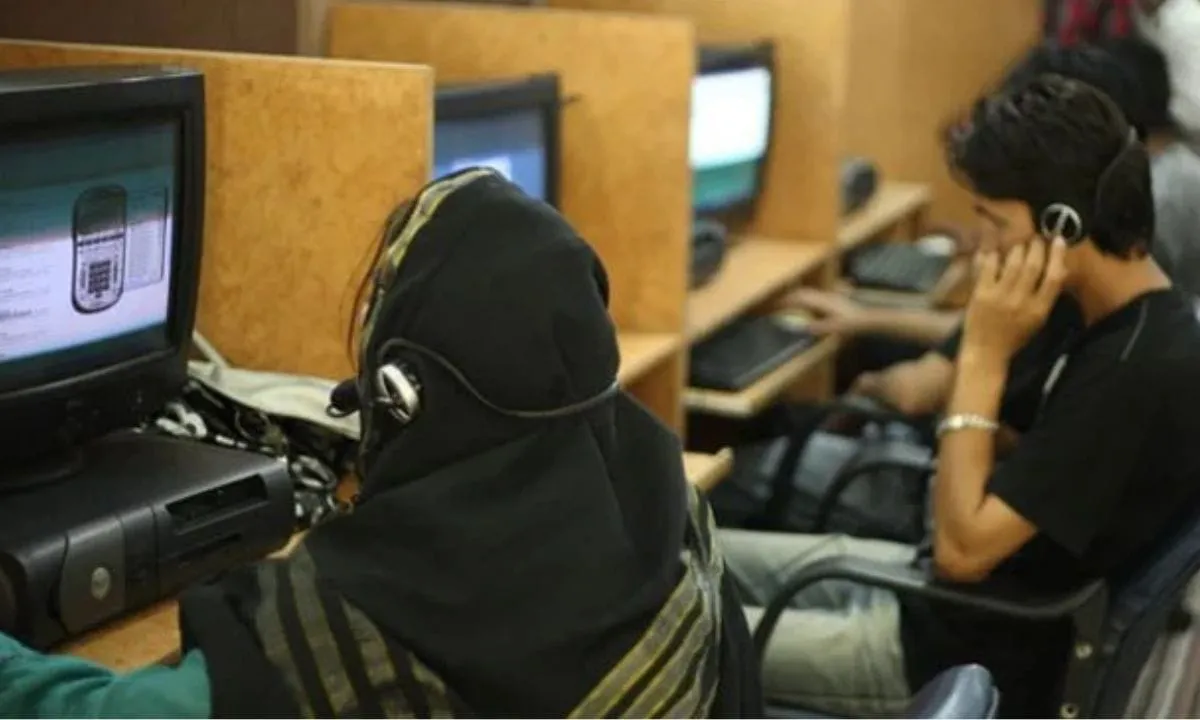
Additional Director Shahzad Akbar earlier warned that between 300 and 350 skimming and scam call centres were operating in Karachi. The latest raid data confirms that estimate, with 59 raids leading to 43 new cases and the arrest of 973 suspects, including 211 foreign nationals. Law-enforcement agencies also seized 15,502 items, among them 329 laptops loaded with fake IDs and stolen credit-card details.
The scale of the operation suggests that these centres are not isolated operations but part of a larger, organized network that recruits young people who should be in school and targets local residents as well as retired individuals.
How the NCCIA Conducts Its Cybercrime Investigations
The NCCIA's Cyber Patrolling Unit monitors internet traffic, identifies malicious URLs and works with the PTA to block illegal sites. In the reported period, the unit examined 4,530 URLs and forwarded 1,186 for blocking. This technical analysis is essential because many scam call centres use web portals to harvest personal data, conduct phishing attacks and facilitate money-laundering.
When a complaint is filed, the agency opens an inquiry. In the last 53 days, 6,672 inquiries were opened, leading to 442 formal cases. Each case undergoes forensic examination, which may involve tracing IP addresses, decrypting communication logs and collaborating with banks to freeze fraudulent transactions.
Why the Crackdown Focuses on Both Online and Offline Fraud
Scam call centres often operate in physical locations while using digital tools to reach victims worldwide. The NCCIA's approach targets the full spectrum of the crime: it seizes laptops, blocks URLs, and arrests individuals who run the call-centre scripts.
Seizure of 329 laptops containing fake IDs and credit-card details shows how technology is central to the fraud. According to Akbar, credit-card holders are deceived through "various offers" and their accounts are emptied through fraudulent schemes. By confiscating the hardware, investigators disrupt the data pipeline and prevent further misuse of stolen information.
Impact on Victims and the Wider Community
Victims include students forced to work in illegal call centres, retirees whose savings are siphoned, and ordinary citizens duped by false offers. The financial loss, while quantified at Rs149.8 million recovered, likely represents only a fraction of the total amount defrauded.
Local businesses also feel pressure, as the presence of scam operations can tarnish Karachi's reputation as a commercial hub. The crackdown sends a signal that law-enforcement will not tolerate the exploitation of the city's human capital for criminal gain.
Legal Framework Governing Cybercrime and Call-Centre Operations
Pakistan's Prevention of Electronic Crimes Act (PECA) of 2016 provides the legal basis for investigating and prosecuting cyber-related offenses. Under PECA, unauthorized access, data theft, and financial fraud are punishable with imprisonment and fines. The PTA, empowered by the Pakistan Telecommunication (Re-organization) Act, can block illegal websites and suspend telecom services linked to fraud.
When a call centre is identified as a scam operation, the NCCIA works with the Federal Investigation Agency (FIA) and local police to execute raids, seize assets and file charges under both PECA and the Pakistan Penal Code.
What Comes Next: Ongoing Monitoring and Future Actions
Authorities have said the NCCIA will not grant any concession to those involved. The agency plans to continue monitoring the seized laptops for evidence, pursue pending cases in court and maintain collaboration with the PTA to keep illegal URLs offline.
While no specific deadline has been announced for the next phase of operations, the agency's public statements indicate that raids will remain a regular feature until the estimated 300-350 scam call centres are fully dismantled.
Practical Advice for Citizens and Businesses
Individuals should verify the authenticity of any unsolicited call offering financial services, avoid sharing personal or credit-card information over the phone, and report suspicious activity to the NCCIA via its toll-free helpline.
Businesses are advised to train employees on phishing awareness, implement two-factor authentication for financial transactions and cooperate with law-enforcement if they suspect their networks are being used for fraud.
The NCCIA's recent results demonstrate a decisive step toward curbing a problem that has long plagued Karachi's residents and the nation's digital economy.