Independent Review Criticizes Government Stewardship of Social Care
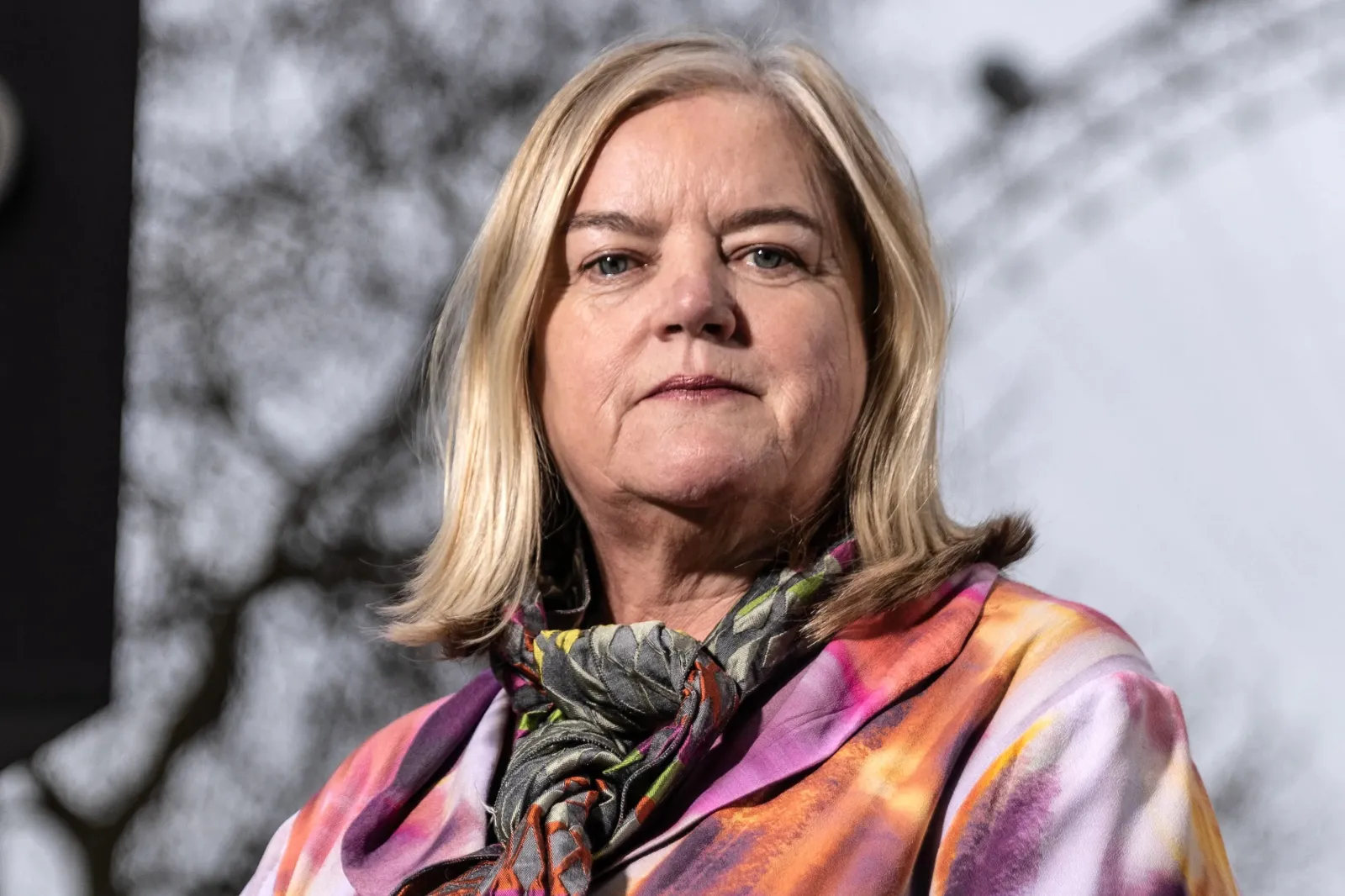
Ministers have been asleep at the wheel on social care for decades, according to a devastating review published today. Baroness Louise Casey found that no one is in charge of the system that currently looks after 900,000 people across the country. Her Independent Commission on Adult Social Care laid out deep-seated chaos within the sector, pointing to systemic failures and a persistent lack of political leadership.
The comprehensive review highlights that successive administrations have failed to take the crisis seriously. Analysis conducted by the Nuffield Trust and the Institute for Government revealed that private companies delivering care services operate largely uncontrolled. Furthermore, the quality and availability of support depend heavily on geography, creating a fragmented postcode lottery for vulnerable citizens.
Financial Disparities and Self-Funding Penalties in the Sector
One of the most striking findings in the report focuses on the financial burden placed on individuals who pay for their own care. According to the data, self-funders are charged 40 per cent more than individuals who receive council funding. At the time of a 2017 survey, this disparity worked out to an extra £236 per week for people paying out of their own pockets.
This financial penalty hits elderly and vulnerable citizens who have modest savings or property assets, forcing them to exhaust their life savings rapidly. The private care market relies heavily on these self-funders to subsidize lower fees paid by local authorities for state-backed placements. Experts warn this cross-subsidy model is fundamentally unsustainable and places an unfair weight on families already coping with medical challenges.
Pandemic Failures and the Need for Stronger Stewardship
Baroness Casey pointed directly to the lessons of the recent past during her evaluation of the sector. She stated that the Covid-19 inquiry tore apart the argument that a protective ring had been thrown around care homes during the pandemic. The lack of proper stewardship from central government left care homes exposed and struggling for basic resources when health emergencies arose.
The report emphasizes that fixing these deep-rooted problems will require substantial funding and politically unpopular choices. Successful reform of social care requires political will and bravery, according to the findings. Governments must move past short-term fixes and address the structural flaws that have plagued the industry for generations.
Proposed Reforms and Funding Debates
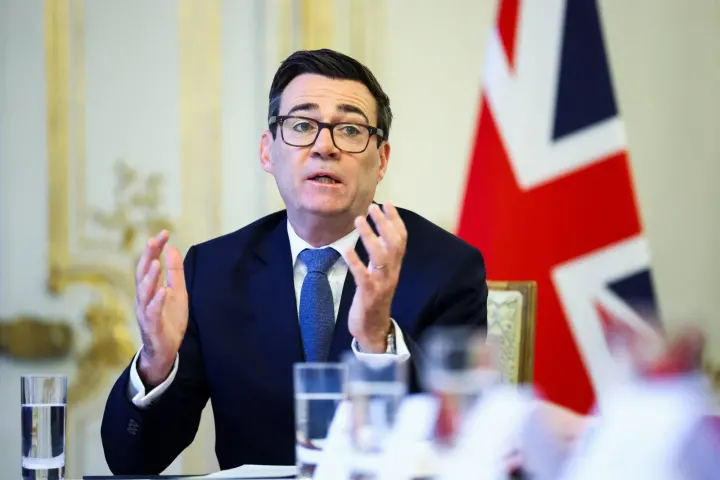
In response to ongoing sector instability, political figures have put forward various overhaul proposals. PM Andy Burnham plans to build a free NHS-style National Care Service funded by the abolition of the pensions triple lock. This ambitious proposal aims to eliminate charging disparities and provide universal access to assistance for everyone who needs it.
However, significant doubts surround how this plan will be financed over the long term. With three-quarters of over-65s estimated to eventually need social care, critics question whether abolishing the pensions triple lock will raise the tens of billions of pounds required to sustain a nationalized model.
Understanding the Complexities of England Care Provision
Natasha Curry from the Nuffield Trust offered additional perspective on the structural difficulties facing the industry. She noted that England's social care system is confused and complex, requiring a clear vision from policymakers. The Casey Commission provides an opportunity to tackle these weaknesses head on, giving leaders a roadmap for future legislative action.
Citizens and families navigate a maze of local authority assessments, means testing, and private provider contracts when seeking assistance. This complexity delays vital interventions and leaves elderly residents without proper support networks in their communities.