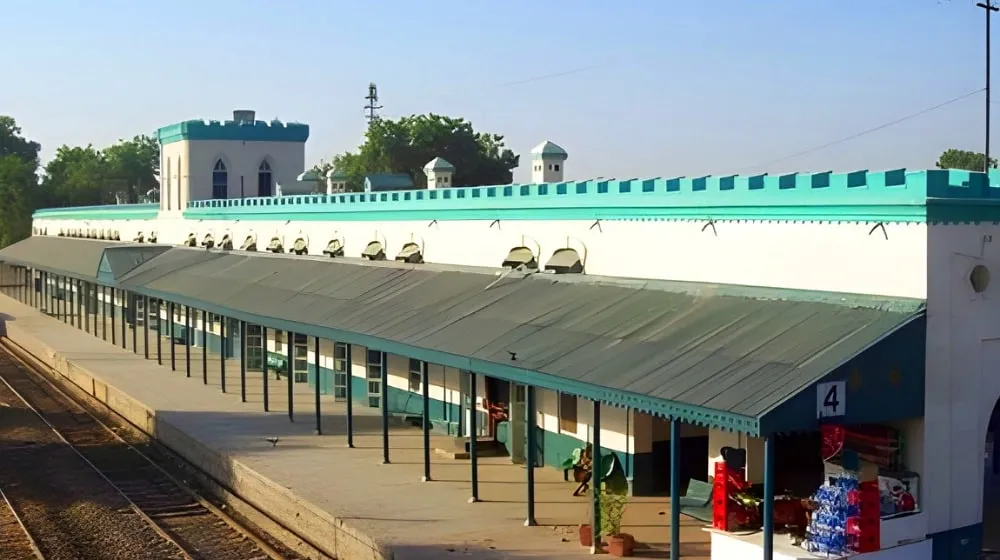
Pakistan Railways announced a comprehensive upgrade of Drigh Road Railway Station in Karachi, with modern facilities and safety improvements slated for implementation after a site inspection by Divisional Superintendent (DS) Railways Karachi Jamshed Alam.
The announcement, reported by ARY News, follows a detailed review of the station's current condition, operational challenges and surrounding railway points and crossings. The DS and a team of officials issued clear directives to ensure the project proceeds efficiently and that train operations remain safe and uninterrupted.
What Is Driving the Upgrade of Drigh Road Station?
Drigh Road Railway Station, located on the outskirts of Karachi's industrial belt, serves thousands of daily commuters who travel to the city centre and beyond. Over the years, the station's infrastructure has shown signs of wear, and the surrounding railway points and level crossings have become bottlenecks for train movements. The need for a modern, passenger-friendly hub aligns with Pakistan Railways' broader strategy to revamp key stations across the country.
Background: Pakistan Railways' Recent Modernisation Drive
In the past five years, Pakistan Railways has embarked on a series of upgrades aimed at improving service reliability, safety and passenger experience. Projects have included the refurbishment of Lahore Junction, the installation of digital ticketing systems at major terminals, and the introduction of new diesel-electric locomotives on high-traffic routes. The Drigh Road upgrade fits within this national framework, targeting a station that handles a high volume of commuter traffic yet lacks contemporary amenities.
Key Elements of the Planned Renovation
The upgrade plan, as outlined by officials, will focus on three core areas:
- Infrastructure renewal: Structural repairs, platform resurfacing, and the installation of modern lighting and signage.
- Passenger comfort: New waiting areas, clean restrooms, digital information boards and improved ticket counters.
- Safety enhancements: Upgraded railway points, better crossing management and the introduction of automated safety systems to reduce the risk of accidents.
Jamshed Alam emphasized that "providing quality and comfortable travel facilities to passengers was a priority," underscoring the passenger-centric focus of the project.
Why Railway Points and Crossings Matter
Railway points (or switches) and level crossings are critical components of any rail network. Points allow trains to change tracks, while crossings enable road traffic to intersect with rail lines. In Karachi, rapid urban growth has increased traffic density around many stations, including Drigh Road. Inefficient points can cause delays, and poorly managed crossings pose safety hazards for both motorists and pedestrians.
During his visit, Alam inspected these elements and directed officials to take measures that would ensure "safe, efficient, and uninterrupted train operations." This directive likely includes the installation of automated point control systems and the possible replacement of manual gates with barrier arms at nearby road crossings.
Impact on Daily Commuters and Local Businesses
Drigh Road serves a mixed demographic: daily wage earners, students, and small-business owners who rely on timely train services. An upgraded station will reduce waiting times, provide cleaner facilities and improve overall travel reliability. For local vendors operating inside the station premises, the renovation could mean better stall layouts and increased foot traffic, potentially boosting their earnings.
Moreover, improved safety at railway points and crossings will benefit motorists and pedestrians in surrounding neighborhoods, lowering the risk of collisions and traffic snarls that have historically plagued the area.
Implementation Timeline and Next Steps
While the exact schedule has not been disclosed, the typical rollout for similar Pakistan Railways projects follows a phased approach:
- Detailed engineering design and tendering for contractors.
- Site preparation, including temporary relocation of certain services.
- Construction of structural upgrades and installation of modern equipment.
- Testing of safety systems and staff training.
- Official reopening with a public awareness campaign.
Stakeholders are expected to monitor progress through regular updates from the Karachi Division of Pakistan Railways. Any disruptions to train schedules during construction will likely be communicated in advance to commuters.
How the Upgrade Aligns With National Transport Policies
The Government of Pakistan's transport policy emphasizes multimodal connectivity, safety standards and passenger comfort. By modernising Drigh Road, Pakistan Railways is directly addressing these policy goals. The project also supports the "Railway Modernisation Programme" launched in 2022, which earmarks funds for station upgrades, track renewal and digitalisation across the network.
What Residents Should Expect During Construction
Construction at busy railway stations often brings temporary inconveniences. Residents near Drigh Road may notice increased noise, dust and occasional road detours. However, the railway authority has pledged to minimise disruption by scheduling high-impact work during off-peak hours and providing clear signage for alternative routes.
Passengers should anticipate temporary changes to ticket counters or waiting areas. Information desks and digital boards will be used to guide commuters to the correct platforms and service updates.
Future Outlook: A Model for Other Karachi Stations?
If the Drigh Road upgrade proves successful, it could serve as a blueprint for similar projects at other Karachi stations such as Malir, Landhi and Kotri. The city's rail network is a lifeline for millions, and modern, safe stations are essential for sustaining economic activity and improving quality of life.
In summary, the decision by Pakistan Railways to upgrade Drigh Road Railway Station reflects a strategic push toward modern, safe and passenger-focused rail infrastructure in Pakistan's largest metropolis. The project's emphasis on safety, efficiency and commuter comfort promises tangible benefits for daily travelers, local businesses and the broader urban transport ecosystem.