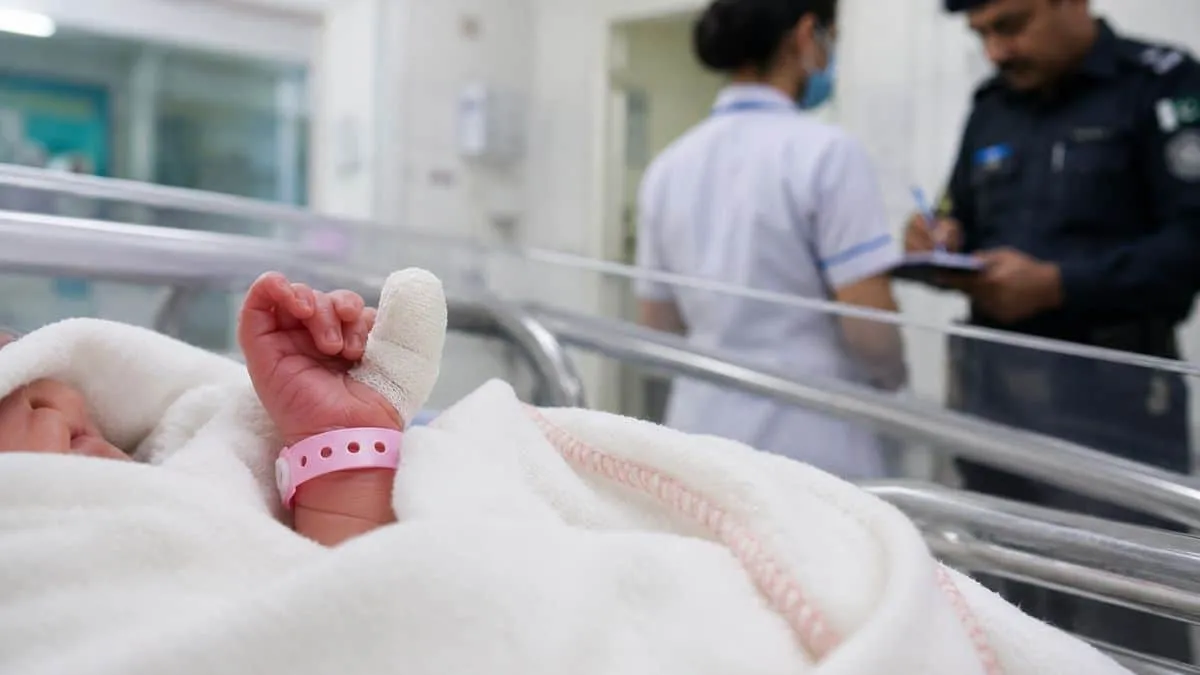
Newborn Death at Private Hospital in Pano Aqil
A tragic incident has occurred at a private medical facility situated along the National Highway in Pano Aqil, Sindh, where a newborn infant died under disputed circumstances. The family of the child raised serious accusations of severe medical negligence against the hospital administration, claiming that the infant suffered animal bites while placed inside an incubator room. The case has drawn widespread attention from the public and local authorities alike, leading to immediate administrative action.
According to the initial statements provided by the grieving family, a woman originating from the Dadloi area was admitted to this private medical facility four days prior to the tragedy for the purpose of childbirth. Following the delivery, the newborn infant experienced respiratory complications and began showing signs of breathing difficulties. Acting on the explicit advice and instructions of the hospital staff, the family agreed to have the baby placed inside an incubator to receive specialized care.
Allegations of Negligence and Animal Access
The situation escalated when the newborn's father came forward with distressing claims regarding the night staff and the security of the medical ward. The father initially stated that hospital employees locked the incubator room and departed for the night, leaving the infant unattended. He asserted that stray cats or other animals allegedly gained access to the restricted area during the overnight hours due to a complete lack of proper supervision and security measures.
When the incubator room was unlocked the following morning, the family discovered that the newborn sustained visible bite marks on the neck and the cheeks. The infant had also suffered significant blood loss from these injuries. The father maintained that this severe trauma directly caused the death of the child. Furthermore, the relatives claimed that the hospital staff attempted to conceal the injuries by handing over the body of the newborn with cotton covering the wounds, without drawing attention to the condition of the child.
Discovery of Wounds and Subsequent Cover Up Claims
The extent of the injuries only became fully apparent to the family later while they were preparing the deceased infant for burial rites. Relatives removed the cotton covering the wounds and reportedly noticed blood dripping continuously from the injuries sustained by the child. This disturbing discovery prompted the father to approach media outlets and publicly accuse the hospital administration of gross professional negligence and dereliction of duty.
However, the investigation took an unexpected turn shortly after the initial public outcry. The father subsequently retracted his previous allegations and denied that the incident involving animal bites had ever taken place. Reports from the area indicated that the hospital administration allegedly exerted pressure or persuaded him to alter his official statement. Separate allegations quickly emerged in the community suggesting that the family had been offered financial compensation or money in exchange for remaining silent about the tragedy.
District Administration Response and Facility Sealing
In response to the public reports and the gravity of the accusations, the local district administration stepped in to establish the facts surrounding the event. Officials ordered a formal and thorough inquiry into the circumstances that led to the newborn infant losing their life inside the medical facility. Investigators are tasked with examining how animals could potentially access a critical care area such as an incubator room and whether safety protocols were violated by the management.
Concurrently, authorities took immediate action against the medical establishment itself. The private hospital, located on the National Highway in Pano Aqil, has reportedly been sealed by the administration pending the outcome of the ongoing investigation. The closure prevents the facility from admitting new patients or operating until government officials complete their review of the operational standards and the specific events of that night.
Background of Private Healthcare Regulation in Sindh
Incidents of this nature bring renewed focus to the standards and oversight governing private healthcare institutions across smaller towns and rural districts in Sindh. Private clinics and maternity homes often fill critical gaps in public health infrastructure, but regulatory enforcement can vary significantly between major metropolitan areas and regional districts. Provincial health departments regularly face calls to increase inspections and enforce stricter licensing requirements for facilities operating away from major urban centers.
Incubators are vital neonatal care devices designed to provide a warm, controlled, and sterile environment for premature or sick infants who cannot regulate their own body temperature. Standard medical protocols dictate that incubator rooms must remain strictly sanitized, secure, and monitored by trained nursing staff at all times to prevent contamination or external hazards. The presence of animals in such a sensitive medical ward represents a severe breach of basic sanitary and safety standards.
What Comes Next in the Pano Aqil Inquiry
As the district administration pursues its formal inquiry, local residents and advocacy groups are watching closely to see what penalties might be applied if negligence is legally established. Investigators will likely interview the medical staff who were on duty during the night in question, review any available facility logs, and examine medical reports regarding the cause of death. The conflicting statements from the family regarding the alleged financial settlement will also form a key part of the administrative and potentially police scrutiny.
For families using private medical facilities in the region, the case serves as a stark reminder of the importance of transparency and accountability in healthcare services. Observers note that the final findings of the inquiry committee will determine whether criminal charges or permanent license revocations follow the temporary sealing of the hospital on the National Highway.





