England's National Health Service (NHS) diagnosed an average of 1,021 cancers each day in 2024, a new record for the country.
The figure comes from official NHS England data showing 373,574 positive cancer tests in England last year, which translates to 1,021 diagnoses per day.
Why the Record Number Matters
Experts say the rise reflects both an ageing population and an expanded testing programme aimed at catching tumours earlier. Early detection improves treatment success and survival rates, but the sheer volume also puts pressure on diagnostic pathways, treatment capacity and support services.
How NHS England Is Responding
Steven McIntosh of Macmillan Cancer Support warned, "The number of people being diagnosed with cancer each year in England has risen to a new record high. People need support that goes beyond medical treatment to help them live as well as possible both during and beyond cancer."
Professor Peter Johnson, cancer director at NHS England, added, "Diagnosing cancer at an early stage is the best way to save lives. NHS teams across the country are taking tests and checks closer to the people who need them. With new treatments being developed all the time, we will continue to do all we can to get people seen and treated for cancer as early as possible. If you are worried about potential signs or symptoms of cancer, please contact your GP surgery without delay."
The NHS has increased capacity for imaging, endoscopy and pathology, and introduced rapid-access pathways for high-risk symptoms. Regional cancer networks coordinate referrals, while new digital tools help triage urgent cases.
Biggest Drivers of Cancer in England
Genetics and old age remain the leading causes of cancer, according to the article. As life expectancy climbs, more people reach ages where the risk of malignant disease rises sharply.
Cancer Research UK estimates that about a third of cases - 34 per cent - are linked to unhealthy lifestyles and could be avoided. After age and genetics, the organisation lists the following risk factors as the greatest contributors:
- Smoking tobacco (estimated to cause 14 per cent of cancers)
- Being overweight or obese (eight per cent)
- Skin damage from sunburn and tanning (four per cent)
- Infections, such as HPV or hepatitis (four per cent)
What Types of Cancer Are Most Common?
The total number of cancers in 2024 increased by nearly 12,000 compared with 2023, when there were 355,000 diagnoses.
Prostate cancer topped the list with 61,000 cases diagnosed in the latest year. Together, prostate, breast, bowel and lung cancers account for half of all diagnoses.
Understanding the NHS Cancer Pathway
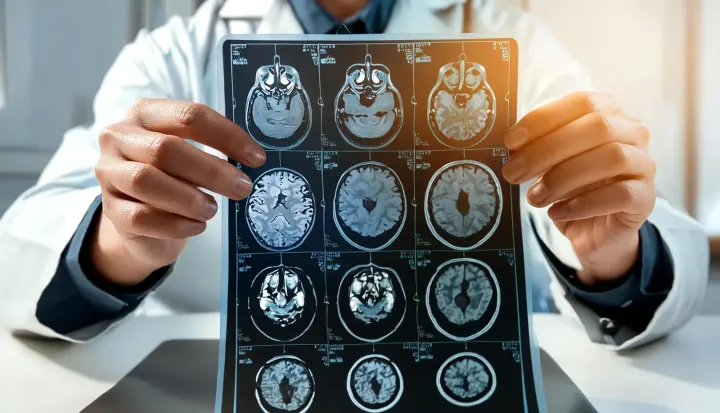
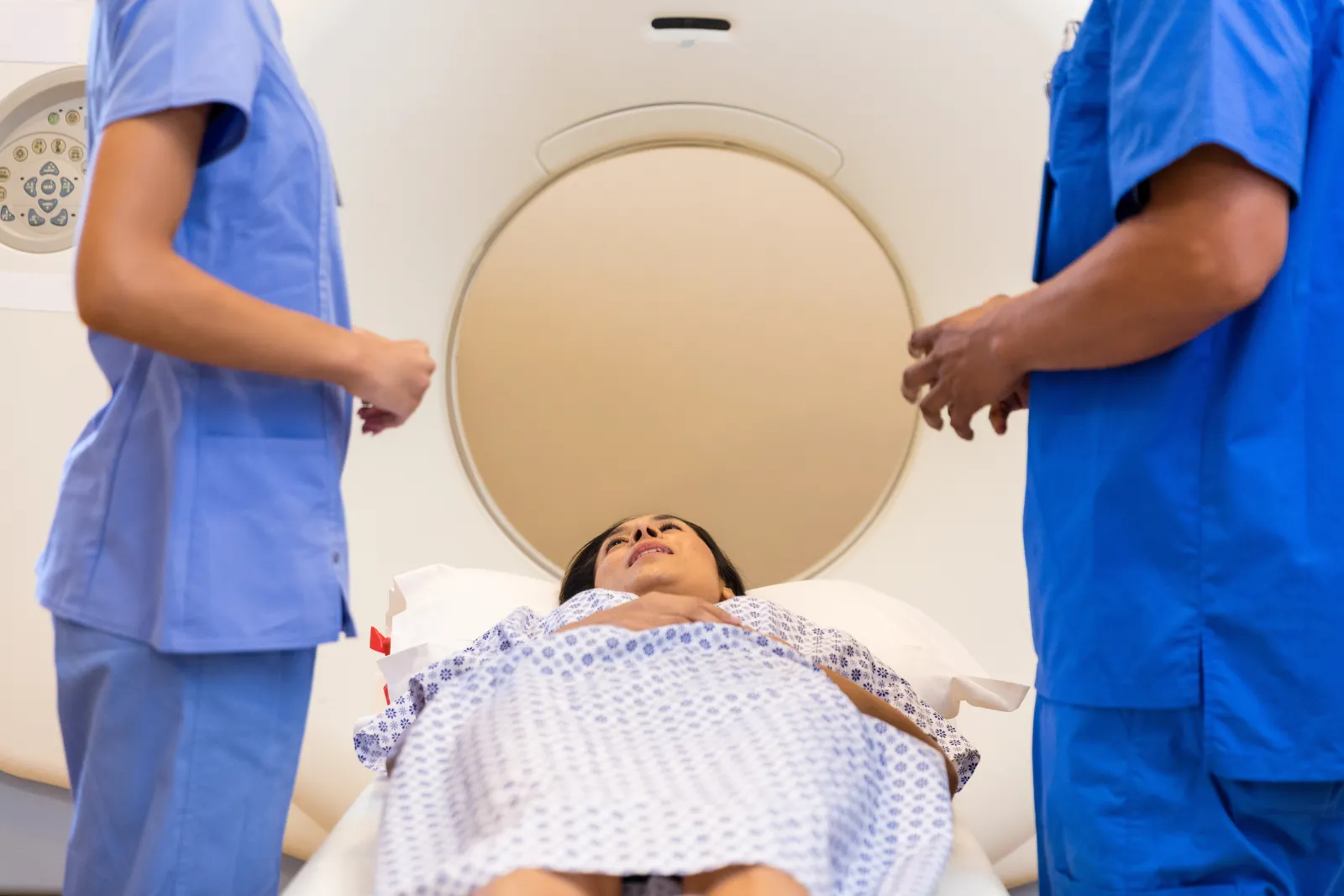
The NHS cancer pathway begins with a referral from a general practitioner (GP) or an urgent two-week wait (2WW) referral for suspected cancer. Patients then undergo diagnostic tests such as blood work, imaging (CT, MRI, PET) or biopsies. Results are discussed in multidisciplinary team meetings, where specialists decide on treatment plans that may include surgery, radiotherapy, chemotherapy, targeted therapy or immunotherapy.
Recent policy changes have introduced "hub-and-spoke" models, where larger cancer centres provide expertise while satellite hospitals handle routine diagnostics, reducing travel time for patients.
Impact on Patients and the Health System
For patients, earlier diagnosis can mean less invasive treatment, better quality of life and higher survival odds. However, the surge in cases also stretches waiting-list targets, potentially leading to longer intervals between diagnosis and treatment for some groups.
Health-care providers are recruiting more radiologists, pathologists and oncology nurses to meet demand. Funding allocations for cancer services have risen, with the government pledging additional resources for equipment and staff training.
What Comes Next?
Data for 2025 will be released early next year, offering a clearer picture of whether the upward trend continues. NHS England has outlined several priorities for the coming months:
- Expand rapid-diagnostic centres in underserved regions.
- Increase public awareness campaigns about symptom recognition.
- Strengthen lifestyle-prevention programmes targeting smoking, obesity and UV exposure.
- Accelerate rollout of new targeted therapies approved by the Medicines and Healthcare products Regulatory Agency (MHRA).
Stakeholders are advised to monitor NHS England's quarterly reports and Cancer Research UK's annual risk-factor analysis for updates.
Practical Takeaways for Readers
If you notice persistent changes such as unexplained weight loss, a new lump, persistent cough, blood in stool or any other concerning symptom, book an appointment with your GP promptly. Early investigation can lead to a diagnosis at a stage when treatment options are most effective.
Adopting healthier habits, quitting smoking, maintaining a healthy weight, protecting skin from excessive sun and staying up to date with vaccinations against HPV and hepatitis, can reduce personal risk.
For those already living with a cancer diagnosis, local support groups, counselling services and financial advice are available through organisations such as Macmillan Cancer Support and Cancer Council England.
Further Resources
For detailed information on specific cancer types, symptoms and screening recommendations, consult the NHS website or speak with your health-care provider.