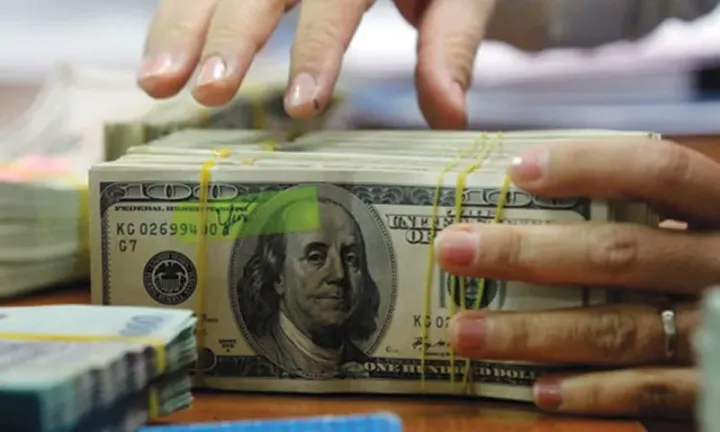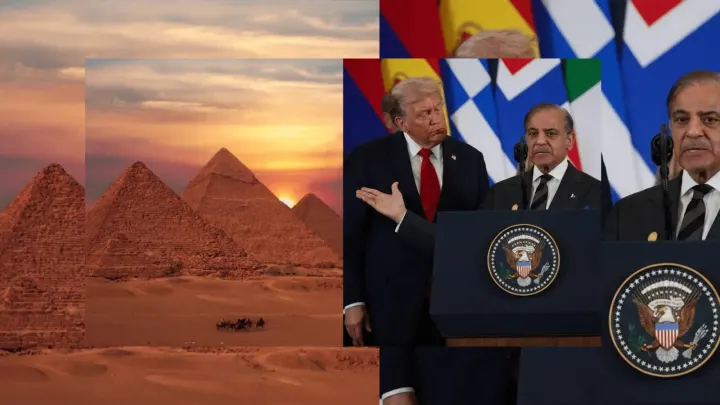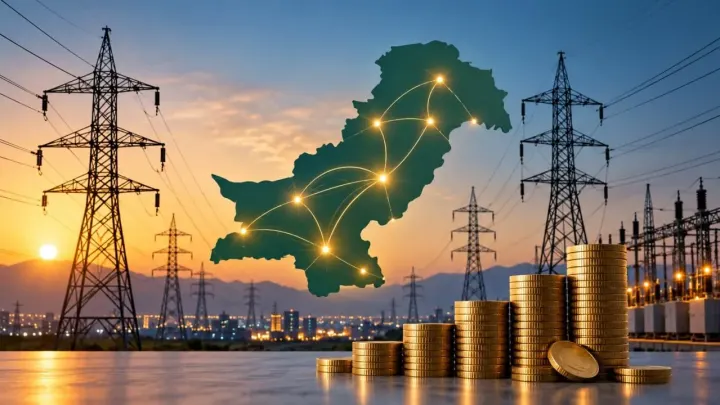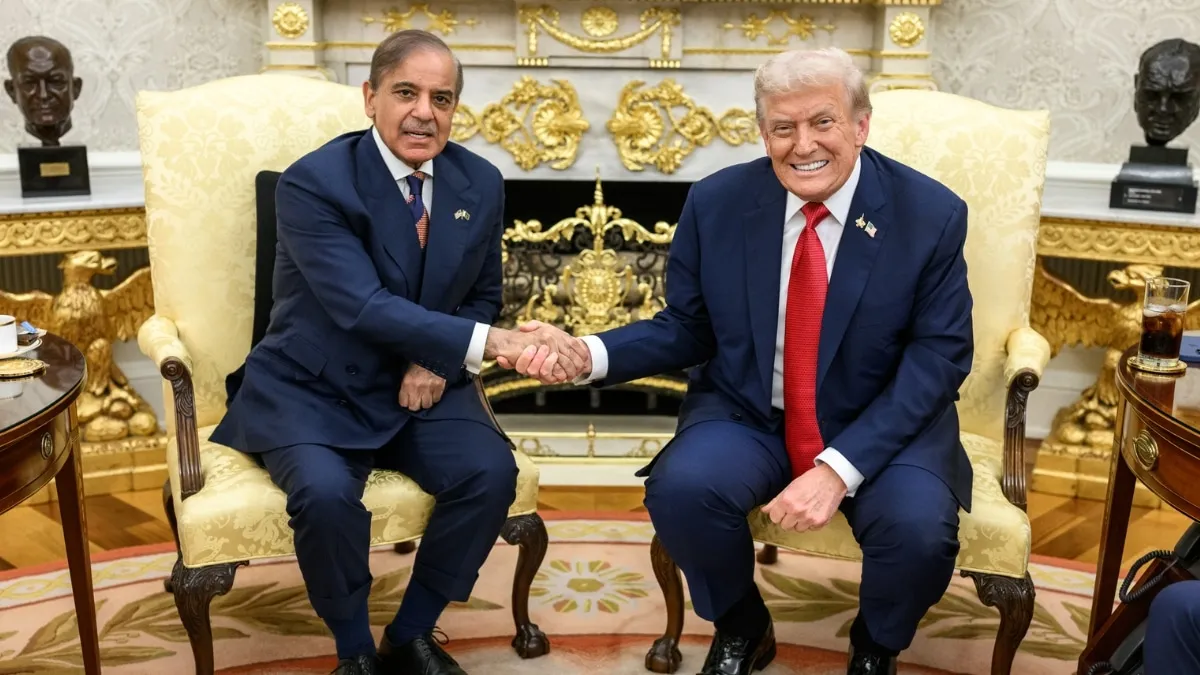
South Asia analyst Michael Kugelman warned on X that growing scrutiny of US President Donald Trump's business dealings could create problems for Pakistan by affecting the administration's trade diplomacy.
Why the Warning Matters for Pakistan
Kugelman noted that Pakistan has relied considerably on business and trade ties with the Trump administration. He said any shift in the US government's ability to pursue commercial and trade engagements could have direct consequences for Pakistani exporters, investors and diplomatic officials who have been working to deepen economic relations with Washington.
What Is Driving Increased Congressional Oversight?
The analyst pointed to the expected Democratic control of Congress after the 2024 elections. Democrats are likely to pursue greater oversight and investigations into the business activities of Trump and his family, including possible conflicts of interest. Specific areas of focus could include:
- Trump's cryptocurrency ventures, especially World Liberty Financial.
- Foreign investments from the United Arab Emirates and other Gulf investors linked to Trump's businesses.
- Jared Kushner's firm Affinity Partners and its Middle-Eastern funding sources.
- Donald Trump Jr.'s 1789 Capital and any potential foreign influence.
- Whether any Trump-family enterprises received favorable government contracts, loans or other federal benefits.
Background: US-Pakistan Trade Relations Under the Trump Era
During Donald Trump's presidency, the United States and Pakistan maintained a complex but active trade relationship. The United States was Pakistan's third-largest export market, buying textiles, apparel, and agricultural products worth roughly $2.5 billion annually. In return, Pakistan imported US machinery, chemicals and high-tech equipment valued at about $1.8 billion each year.
Washington also provided substantial development assistance, including $1.6 billion in security aid and $1.2 billion in economic assistance under the 2018-2022 partnership framework. The Trump administration emphasized private-sector engagement, encouraging US firms to invest in Pakistani infrastructure projects such as the China-Pakistan Economic Corridor (CPEC) and energy-generation plants.
How Congressional Investigations Could Change Trade Policy
If Democrats gain control of the House and Senate, they may introduce legislation to tighten disclosure rules for presidential family businesses. Such rules could force the White House to recuse itself from any trade negotiations where a conflict of interest exists. In practice, this could mean:
- Delays in finalising trade agreements or export-promotion initiatives involving US companies with ties to Trump's enterprises.
- Increased scrutiny of any US government contracts awarded to firms linked to the Trump family, potentially leading to contract cancellations or re-bidding.
- Greater transparency requirements for US-based investors seeking to fund projects in Pakistan, which could slow capital flows.
For Pakistani businesses that have been courting US partners, these procedural changes could translate into longer negotiation cycles, higher compliance costs, and reduced certainty about future deals.
Potential Impact on Specific Sectors
Several Pakistani sectors could feel the ripple effects:
- Textiles and apparel: US retailers that source from Pakistan may pause orders while confirming that no conflict-of-interest issues exist in their supply chains.
- Energy and infrastructure: Projects that involve US engineering firms or financing groups linked to Trump-related entities could see funding delays.
- Technology and fintech: Emerging cryptocurrency collaborations, especially those referencing World Liberty Financial, may encounter regulatory hurdles.
What Pakistan Can Do Now
Experts suggest that Pakistani officials should prepare contingency plans. Practical steps include:
- Diversifying export markets beyond the United States to reduce reliance on any single trade partner.
- Strengthening compliance units within Pakistani firms to audit US-related contracts for potential conflict-of-interest flags.
- Engaging with other friendly economies, such as the European Union and Gulf Cooperation Council, to secure alternative investment pipelines.
- Maintaining open diplomatic channels with the incoming Democratic leadership to reassure them of Pakistan's commitment to transparent trade practices.
What Comes Next in Washington
While the exact timeline of investigations remains uncertain, the congressional agenda typically begins in the first session of a new Congress. Bills related to presidential ethics and financial disclosures are often introduced within weeks of the new term. If passed, the rules would apply to the executive branch immediately, meaning any trade-related decisions involving Trump-family businesses could be re-examined within months.
For Pakistan, the key watch-points will be:
- Announcements from the House Committee on Oversight and Reform regarding any subpoenas or hearings.
- Statements from the Senate Finance Committee on potential amendments to the Foreign Investment Risk Review Modernization Act (FIRRMA) that could affect Pakistani investors.
- Official press releases from the US State Department outlining any changes to trade policy or export-control regulations.
Until concrete legislative outcomes are known, analysts advise Pakistani stakeholders to monitor congressional activity closely and to maintain flexibility in their trade strategies.
Broader Implications for South Asia
Pakistan is not the only country that could feel the impact of heightened US scrutiny. India, Bangladesh and Sri Lanka also engage in significant trade with US firms that have political connections. A stricter oversight regime could set a precedent, prompting a region-wide reassessment of how political risk is factored into trade negotiations with Washington.
In the longer term, the situation may encourage South Asian governments to seek more balanced trade relationships, investing in regional supply chains and multilateral trade agreements that reduce exposure to US domestic political swings.
Conclusion
Michael Kugelman's warning highlights a realistic risk: if Democrats intensify investigations into Donald Trump's business empire, the resulting oversight could complicate the United States' ability to pursue trade diplomacy as it has under the Trump administration. For Pakistan, the stakes involve potential delays, higher compliance costs and a need to diversify economic partnerships. Staying informed about congressional actions and preparing adaptive trade strategies will be essential for Pakistani businesses and policymakers navigating this uncertain environment.