Understanding the Nintendo Switch 2 Hardware and Launch Details
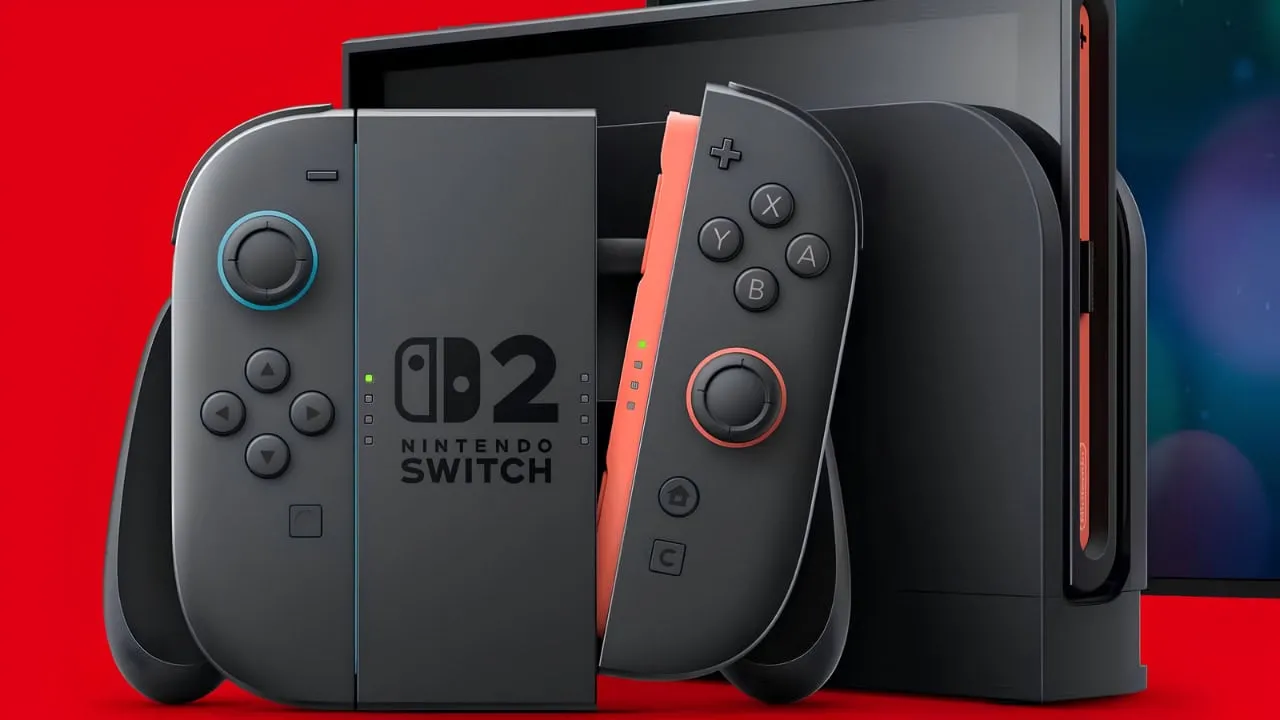
The gaming industry continues to watch closely as hardware developers push the boundaries of home and portable entertainment. The Nintendo Switch 2 has established a strong market presence, boasting upgraded hardware and a $499 price tag. Yet, the Japanese gaming giant is not stopping at standard hardware improvements. Recently, Nintendo reported that it is actively working on new experimental concepts for the Switch 2. Consequently, gamers can expect entirely new ways to experience their favorite titles in the near future.
Since its launch in June 2025, the console has sold an estimated 26.35 million units worldwide. For comparison, the original Switch sold a staggering 157.2 million units since March 2017. These figures demonstrate a rapid adoption rate for the new system, even as the market adapts to modern pricing and component demands. The current ecosystem provides a robust foundation for developers to test novel features.
Nintendo History of Innovation and Control Schemes
Throughout its history, Nintendo has consistently delivered innovative control schemes. The company introduced the iconic NES D-Pad and pioneered motion controls with the Wii Remote. Now, that legacy carries over to the current generation of hardware. The philosophy of combining unconventional inputs with accessible software remains central to the corporate identity.
Critics occasionally question whether hardware manufacturers rely too heavily on iterative updates rather than bold risks. However, the corporate heritage suggests a continuous cycle of reinvention. From dual screens on handheld devices to detachable controllers on the original hybrid system, the company regularly changes how players interact with digital worlds.
Current Unique Control Methods on the Switch 2
Currently, the Switch 2 offers several unique control methods. Players can turn the new Joy-Con 2 controllers on their side and use them like a computer mouse. Additionally, the Pro Controller features extra grip buttons. You can easily map these grips to any other system button for customized gameplay. Furthermore, the console includes a built-in microphone. Certain titles and apps, like The Legend of Zelda: Ocarina of Time and GameChat, already use this hardware feature.
These features give players diverse options for interaction, bridging the gap between traditional console play and computer peripherals. The mouse functionality of the Joy-Con 2 opens up possibilities for strategy titles and point-and-click adventures. Meanwhile, mapped grip buttons on the Pro Controller offer competitive advantages for fast-paced action games.
Executive Responses to Innovation Claims
During a Q&A session for Nintendo's Q2 2027 financial report, one participant questioned the company's focus. They suggested Nintendo placed innovation on the back burner in favor of safe hardware upgrades. Nintendo President Shuntaro Furukawa quickly denied this claim. He stated that delivering new game experiences remains a top priority. He believes the company's strength still lies in perfectly integrating hardware and software.
Following this, senior managing executive officer Shinya Takahashi elaborated. He confirmed that Nintendo's hardware and software teams are actively experimenting with fresh ways to play Switch 2 games. Hopefully, the company will reveal these plans soon. This internal dedication ensures that engineering and game design departments work in tandem to create cohesive interactive experiences.
Navigating Component Shortages and Pricing Stability
Meanwhile, the tech industry faces an ongoing DRAM shortage crisis. This shortage aggressively increases the costs of memory and essential components for electronics manufacturers worldwide. Thankfully, Furukawa confirmed Nintendo will not implement a second price increase for the Switch 2. The company has successfully secured sufficient components and supplies to maintain operations.
Supply chain management remains a critical challenge for modern technology firms. By locking down necessary materials early, Nintendo avoids the supply bottlenecks that typically plague hardware rollouts. Consumers benefit from this stability, as the entry barrier for the system remains predictable at $499.
Sales Targets and Upcoming 2027 Software Releases
Therefore, Nintendo remains strictly on track to achieve its massive sales goals. The company currently expects to sell 16 million consoles by the end of 2026. This projection reflects confidence in both manufacturing output and consumer demand heading into the holiday shopping periods and beyond.
Moving forward, Nintendo continues to build a critically acclaimed game library. The company plans to launch several major titles in 2027. This lineup includes massive new RPGs like Pokemon Winds and Waves. Until then, fans must eagerly wait to see what experimental concepts Nintendo reveals next to expand the hardware capabilities.