Global Password Security Report Highlights Ongoing Vulnerabilities
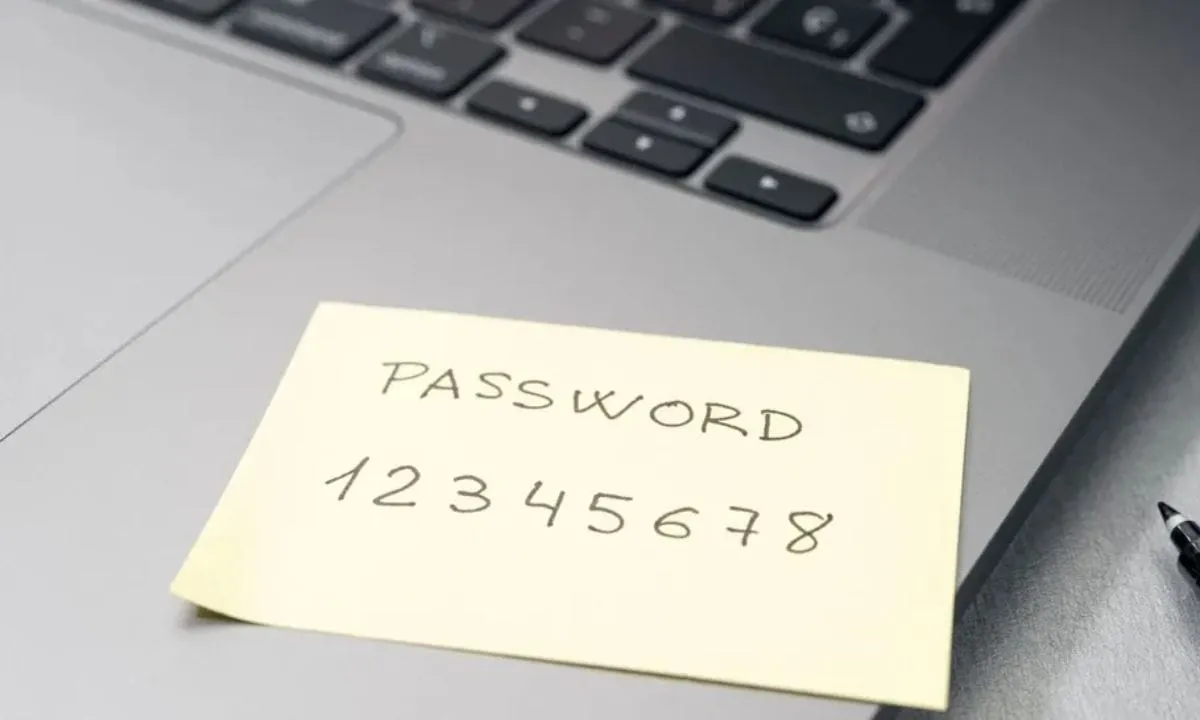
The sequence 123456 remains the most commonly used password in the world, according to the latest annual report by NordPass. This marks the seventh time in eight years that this specific numeric combination has topped the global list of weak security choices. Researchers found that admin and 12345678 hold the second and third positions respectively, leaving the top three spots entirely unchanged from previous evaluations. Additional simple strings, including the word password and the shorter variation 1234, also persist among the most frequent selections made by internet users.
NordPass compiled this annual study by analyzing a vast dataset of passwords leaked by criminals on the dark web. Security professionals explain that hackers can crack such basic passwords within seconds of an attack. Once breached, these weak credentials grant malicious actors immediate access to sensitive personal data, private bank accounts, and secure social media profiles. The persistence of these predictable strings highlights a critical vulnerability in everyday digital security practices across multiple platforms and regions.
How Researchers Analyze Dark Web Password Leaks
The methodology behind the NordPass study involves examining information gathered from public breaches and illicit troves exposed on the dark web. Independent researchers evaluate what credentials people actually use by studying the raw data left behind after cyber attacks. This analysis reveals persistent human habits regarding digital safety, showing that convenience consistently outweighs security in the minds of many users. The findings provide a clear picture of the scale at which simple text combinations continue to protect important online accounts.
Analyzing these leaks helps security specialists understand the tools and techniques employed by modern cyber criminals. When databases are compromised, automated scripts test millions of common combinations in a fraction of a second. The dominance of sequences like 123456 shows that millions of individuals still rely on credentials that require virtually no computational power to break. Security analysts track these trends year after year to measure whether public awareness campaigns yield any measurable improvement in digital hygiene.
Pop Culture References and Sports Names in Weak Passwords
Beyond simple numbers, the NordPass report examined the frequent use of pop culture references within user-generated passwords. Video games and anime titles made up the largest share of entries in this category, pointing to the influence of media consumption on personal security choices. However, sports-related terms and athlete names were used most often by individuals creating these memorable credentials. Basketball star LeBron James was the most frequently used name in the dataset, followed by soccer players Messi, Lampard, and Lewandowski.
Other trending terms also appeared with high frequency in the analyzed breach data. Words such as Savage, Roblox, Skibidi, Covid, and Impostor featured prominently across various platforms. NordPass noted that despite the personal significance or cultural relevance of these words to their creators, all such passwords can be cracked in a matter of seconds by standard malicious software. Relying on recognizable names or trending vocabulary offers no real defense against automated brute-force attacks.
The Growing Threat of Artificial Intelligence in Password Cracking
The overall risk to digital security has grown significantly with the widespread adoption of artificial intelligence tools. NordPass stated that artificial intelligence has made password cracking much faster and has sped up the theft of login credentials by malicious actors. Reports detailing the exposure of millions of stolen passwords continue to appear regularly across news networks and security blogs. Traditional encryption methods now offer limited protection given the rapid pace of progress in both artificial intelligence and emerging quantum computing capabilities.
As computational power increases, the time required to guess complex combinations decreases for sophisticated attackers. Automated systems driven by advanced algorithms can bypass poorly constructed security measures almost instantly. This technological shift means that habits which might have been marginally acceptable in the past now present an immediate danger to personal privacy and financial security. The cybersecurity community continues to warn that human error remains the weakest link in defense strategies against AI-powered threats.
Best Practices for Creating Strong and Secure Passwords
To counter these escalating threats, security experts recommend establishing robust rules for every online account. Users should create passwords of at least 12 to 16 characters in length. These credentials must combine uppercase and lowercase letters, numbers, and special symbols such as @, #, $, and %. Proper security design dictates that a password should never contain a personal name, date of birth, phone number, or the name of a loved one.
Experts also strongly discourage the dangerous habit of using the same password across multiple different accounts. When individuals reuse credentials, a breach of one single service exposes all the other platforms where the same combination was entered. Implementing unique credentials for every single login limits potential damage if a specific database suffers a security compromise. Adhering to these structural guidelines forms the foundation of personal cybersecurity in an interconnected digital environment.
Advanced Tools and Authentication Methods for Modern Users
Beyond manual creation, security professionals advise using reliable password managers to handle digital credentials safely. Services such as NordPass or Bitwarden can generate cryptographically strong passwords and automatically fill them into login fields when needed. Furthermore, modern authentication alternatives reduce reliance on traditional text strings entirely. Passkeys and biometric options, which include fingerprint or facial recognition, are now supported and recommended by most major digital service providers.
Where available, users should always enable multi-factor authentication on their accounts. Multi-factor authentication adds an extra layer of verification, requiring a secondary code or device confirmation alongside the primary password. Even if a weak password is successfully cracked within seconds by a cyber criminal, this additional checkpoint frequently stops unauthorized access in its tracks. Combining a password manager, biometric logins, and multi-factor authentication provides the most effective defense against modern automated attacks.