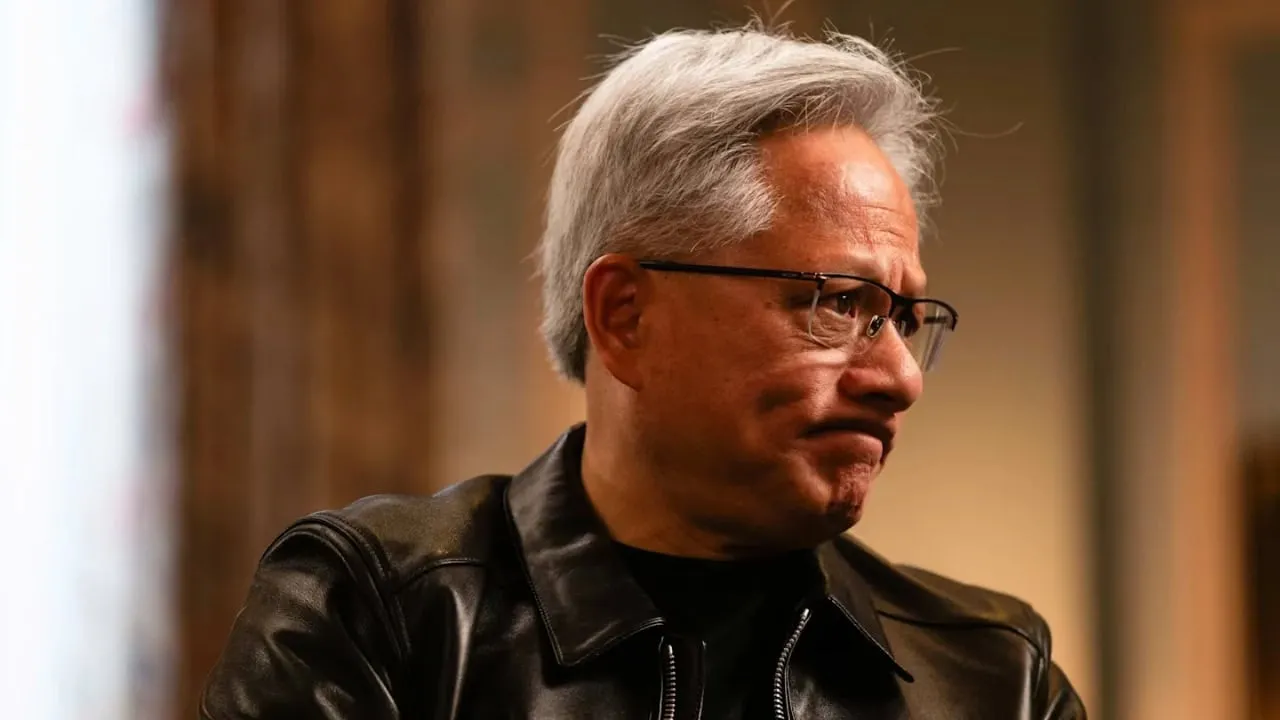
NVIDIA's board is preparing to remove Jensen Huang as CEO, a move that could reshape the AI industry after two scandals emerged within 72 hours.
The board met as early as Wednesday evening, according to reputed media sources, to decide Huang's fate. NVIDIA stock fell 8% in after-hours trading following the report, and the company has already engaged an outside firm to identify potential replacements.
What Triggered the Board's Action?
On Sunday, Huang sent a letter to NVIDIA employees admitting an extramarital affair with Alice Huang, a Chinese citizen who is an executive at Singapore-based chip buyer Megaspeed. U.S. intelligence agencies believe she gathered information for Beijing. Megaspeed bought over $4.8 billion worth of NVIDIA chips in two years. China's Foreign Ministry denied the espionage allegations, calling them "groundless speculation."
On Wednesday, the New York Times reported a second affair, this time with Kimberly Powell, an NVIDIA executive who reports directly to Huang. The second revelation shifted the focus from national-security concerns to corporate-governance issues, as most major companies prohibit romantic relationships between executives and their direct reports. Analysts described the situation as untenable regardless of the outcome of the espionage investigation.
Why the Board Holds the Power to Remove Huang
NVIDIA operates without a board chair and has no public succession plan. Huang owns roughly 3.5% of the company's shares. Because NVIDIA does not use a dual-class share structure, the board, not Huang, controls his tenure.
Lead independent director Stephen Neal, chairman emeritus of law firm Cooley LLP, is mentioned as a possible interim leader. The board also hired former acting U.S. Attorney Joon H. Kim to lead an internal investigation, underscoring the seriousness of the probe.
Impact on the AI Industry and NVIDIA's Financial Position
Huang co-founded NVIDIA in 1993 and has run it for 33 years. He manages roughly 60 direct reports and maintains personal relationships with many small clients. NVIDIA's chips power the vast majority of AI training and inference worldwide. The company reported quarterly profits of $59.69 billion in August and remains one of the most valuable companies on Earth.
President Trump praised Huang over the weekend, calling him "brilliant" and "an honorable guy." However, the second affair shifted the conversation from geopolitics to governance, prompting House Republicans to consider a subpoena for Huang's testimony at a closed-door congressional briefing scheduled for November 18, one day after NVIDIA reports Q3 earnings.
NVIDIA's market capitalization fell from roughly $5.78 trillion in early October to $4.51 trillion by November 6, a $1.27 trillion decline that occurred before the board announced its investigation. Wednesday's additional 8% drop added tens of billions more to the loss.
What the Board's Decision Means for Stakeholders
Shareholders face a potential shift in leadership that could affect stock performance, dividend policy, and strategic direction. Employees may see changes in management style and corporate culture, especially if an interim leader from outside the current executive team is appointed.
Customers, including cloud providers and enterprise AI developers, rely on NVIDIA's GPUs for critical workloads. A leadership change could influence product roadmaps, pricing, and support commitments.
Regulators and policymakers will watch the outcome closely, as the case blends national-security concerns with corporate-governance standards. Any subpoena or congressional testimony could set precedents for how tech CEOs are held accountable for personal conduct that intersects with foreign-policy risks.
Next Steps and Timeline
The board has not set a public deadline for its decision. It is expected to weigh the findings of the investigation led by Joon H. Kim before any formal announcement. The upcoming Q3 earnings release on November 17 and the congressional briefing on November 18 will likely intensify scrutiny.
Investors should monitor any filings with the SEC, especially Form 8-K disclosures, for updates on board actions, potential interim appointments, and changes to succession planning. Analysts will also watch the after-hours trading patterns for signs of market sentiment as the story develops.
Practical Takeaways for Readers
- If you own NVIDIA shares, expect heightened volatility around the earnings release and any board announcement.
- Companies with similar governance structures should review their policies on relationships between executives and direct reports to avoid comparable crises.
- Stakeholders in the AI ecosystem should prepare for possible short-term supply-chain adjustments if leadership changes affect production schedules.
The board's decision will define the next chapter of both NVIDIA and the global AI industry it dominates.