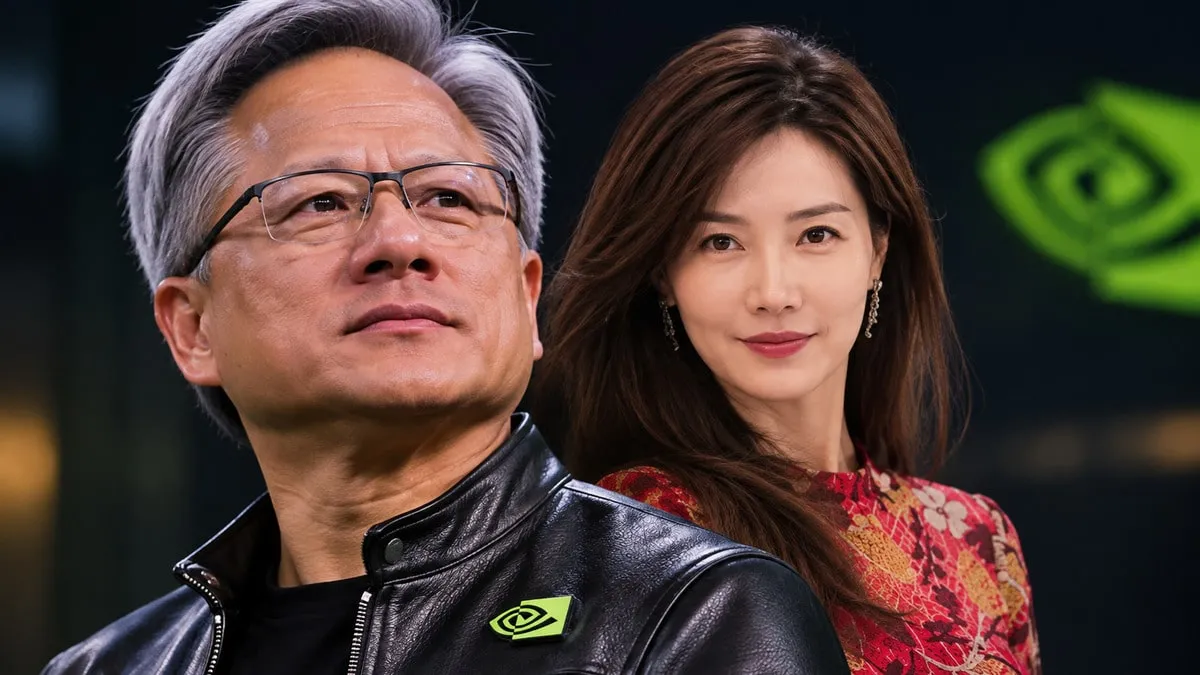
Jensen Huang Departs Nvidia After Three Decades
Jensen Huang has resigned as President and Chief Executive Officer of Nvidia, ending his 33-year reign following revelations about two affairs. The unexpected departure of the long-serving executive marks a turning point for the semiconductor giant.
Reuters said he resigned while Bloomberg reported that he was fired by the chipmaker's executive board. Nvidia announced the leadership change on Thursday, bringing an immediate end to Huang's tenure at the helm of the massive technology firm.
Huang has also stepped down from Nvidia's board with immediate effect. The swift transition leaves the prominent artificial intelligence chip designer without its founding leader as the industry faces intense competition.
Colette Kress Appointed Interim Chief Executive Officer
Nvidia named Chief Financial Officer Colette Kress as interim CEO to steer the company through the transition period. She will retain her finance responsibilities while the company's board searches for a permanent replacement.
The board faces a substantial task in finding a permanent successor to lead the enterprise. Kress steps into the role during a period of scrutiny for the organization following the sudden leadership upheaval.
Details Behind the Leadership Change at Nvidia
The resignation comes after reports of two relationships involving the 63-year-old executive. One reportedly involved Alice Huang, a business executive at Singapore-based data company Megaspeed, whom US intelligence officials suspect of having links to Chinese intelligence services.
The second relationship involved a senior Nvidia employee who reported to Huang. The New York Times previously reported that the employee was Kimberly Powell, Nvidia's healthcare business chief.
These disclosures prompted swift action from the board and media outlets, culminating in the departure of the chief executive. The intersection of corporate governance and personal conduct remains a focal point for major technology firms.
Background on Nvidia and Corporate Leadership Standards
Nvidia has grown over the past three decades into one of the most valuable corporations in the world, largely driven by the boom in artificial intelligence hardware. Jensen Huang guided the company from its origins in 3D graphics chips to a dominant position in accelerated computing.
Corporate governance standards for public technology companies generally prohibit undisclosed relationships between executives and direct reports, particularly when conflicts of interest or security concerns arise. Large technology firms maintain strict codes of conduct to protect shareholder value and corporate integrity.
The involvement of a foreign business executive with suspected intelligence ties adds geopolitical complexity to the situation. Regulatory scrutiny over supply chains and corporate leadership has increased significantly across the technology sector.
What Happens Next for the Semiconductor Firm
The board of directors must now conduct a comprehensive search for a permanent chief executive officer. Market analysts will watch how Colette Kress manages day-to-day operations and financial reporting in her dual capacity.
Investors and industry observers will monitor upcoming earnings calls and shareholder meetings for further details regarding the leadership transition. The company must reassure stakeholders of its operational stability amid the executive shakeup.
The timeline for finding a permanent replacement remains open as the board evaluates internal and external candidates. Compliance and human resources teams at the firm will likely review internal policies following the incident.





