Pakistan approved a fresh five-year automotive framework designed to build up domestic production, increase foreign shipments, and raise the competitiveness of the sector. Authorities established a goal to reach $6 billion in vehicle exports and $1.2 billion in auto parts exports by the years 2030-31.
This strategy serves to expand industrial output, generate jobs, draw investments, and position the nation more competitively in worldwide vehicle trade.
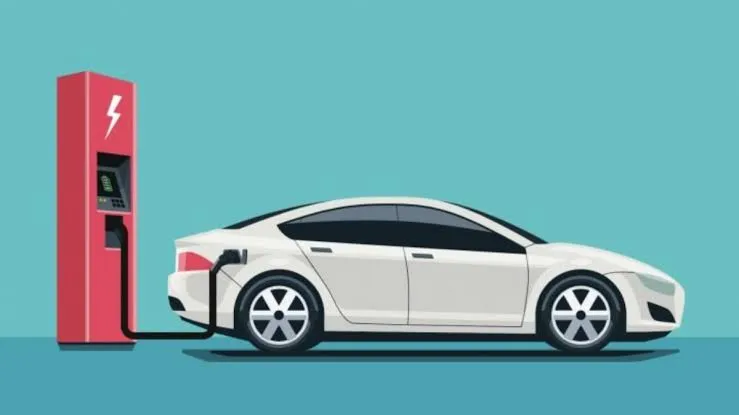
A major feature is keeping the sales tax for battery electric vehicles at 1% covering the period from 2026 to 2031, which means turning down an IMF suggestion to raise that figure to 18%.
Authorities also lifted car financing caps from Rs. 3 million to Rs. 10 million while pushing repayment schedules out to five years to make buying a car easier.
Other measures include reduced import tariffs, rewards for producers hitting export goals, and tighter safety requirements meant to drive innovation, better build quality, and assist the shift toward green transport.
Ultimately, the guidelines demonstrate an initiative to support domestic manufacturing, back the component supply chain, and develop a sustainable, export-focused car industry within Pakistan.