Pakistan Considers Electricity Market Reforms Due to Record Solar Adoption
Rapid solar adoption, battery storage and changing consumption patterns have reduced demand from the national grid so sharply that the government is now considering changes to Pakistan's electricity market to align power supply obligations with actual consumer demand, in a bid to reduce electricity costs and ease the burden of excess generation capacity on consumers.
The proposal was discussed at a meeting of the Steering Committee on Power Sector Regulatory Regime, chaired by Finance Minister Muhammad Aurangzeb at the Finance Division on November 20. The meeting brought together key energy sector stakeholders and technical experts to address structural imbalances caused by shifting energy consumption habits across the country.
The committee reviewed recommendations prepared by a Technical Working Group as part of efforts to improve efficiency, attract private investment and establish a more competitive electricity market. These discussions mark a critical turning point for energy policy in the country, as traditional grid operators face unprecedented financial pressures from declining electricity sales.
How Solar Growth and Storage are Reshaping the National Grid
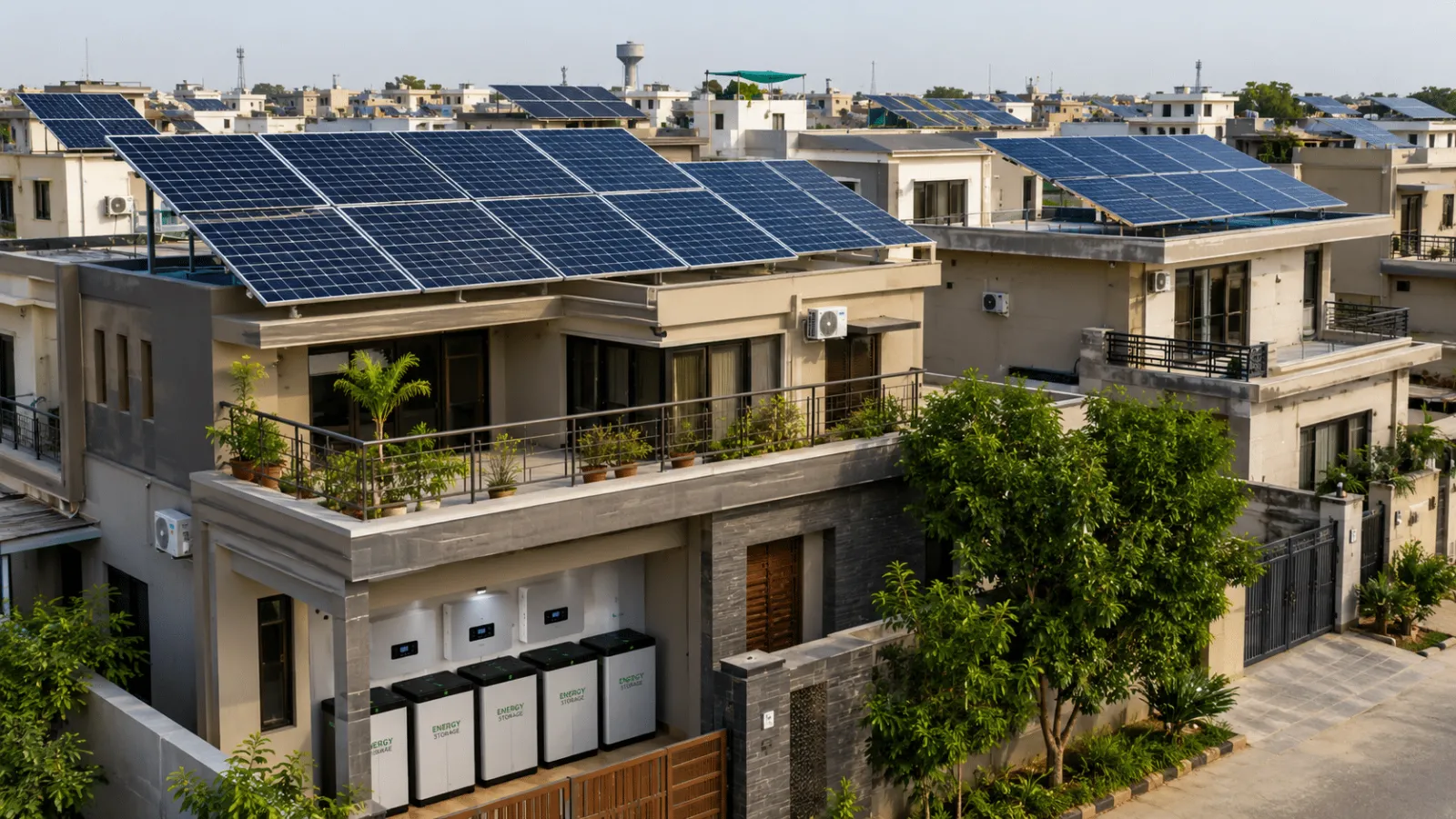
The committee examined how the country's accelerating shift to solar energy, combined with battery storage and evolving consumption patterns, has reduced grid demand, creating mounting pressure from excess generation capacity and costly capacity payment obligations that ultimately land on consumers.
In recent years, residential, commercial and industrial consumers have invested heavily in rooftop photovoltaic systems to escape rising electricity tariffs. This decentralized generation reduces daytime reliance on utility companies, leaving state-backed distributors with lower sales volumes while their long-term financial commitments to power plants remain fixed.
These fixed capacity payments to independent power producers form a major component of utility bills. When total grid consumption drops, the cost of paying for idle generation capacity is spread across fewer units of electricity, driving tariffs higher for remaining grid-dependent users and creating a widening fiscal deficit in the power sector.
Adapting the Competitive Trading Bilateral Contract Market
One proposal involves adapting the Competitive Trading Bilateral Contract Market to Pakistan's changing energy landscape. This could include aligning existing power supply obligations and consumer demand with distribution companies being privatized, potentially creating a pathway toward greater competition in the electricity market.
The Competitive Trading Bilateral Contract Market framework is designed to transition the power sector from a single-buyer model to a wholesale market where multiple buyers and sellers can trade electricity directly. Integrating widespread distributed generation into this framework requires careful coordination among regulators, generators and transmission operators.
The proposed arrangements could give competitive suppliers more flexibility to develop tariff structures, improve efficiency and make better use of existing generation capacity. However, their impact on existing power purchase agreements, capacity payment obligations and uniform tariff arrangements requires further examination.
New Regulatory Rules for Power Suppliers and Distribution Companies
The committee also examined regulatory changes for distribution network operators and competitive suppliers, including investment approvals, performance standards, transmission and distribution losses, and safeguards against conflicts of interest.
State-owned distribution companies have historically suffered from high technical losses, electricity theft and operational inefficiencies. Introducing stricter performance standards is intended to force these entities to modernize their networks and improve service delivery before ownership is transferred to private operators.
Proposed changes to the Multi Year Tariff framework were also discussed. These include incentives for improved operational efficiency, better service quality and reduced distribution losses, with the finance minister emphasizing that efficiency gains should translate into tangible savings for consumers.
Next Steps and Privatization Preparations
Aurangzeb directed the relevant teams to identify unresolved technical and policy issues and submit recommendations for further consideration. He stressed that the reforms must reduce electricity costs, protect consumers, improve service delivery and create a predictable environment for private investment.
The committee also reviewed the management of distribution companies' residual assets and liabilities ahead of privatization, including land, receivables, pension obligations and litigation. Further coordination with the National Electric Power Regulatory Authority and other stakeholders was emphasized to ensure the proposed framework is legally sound and practical to implement.
As the government moves forward with these structural adjustments, policymakers face the delicate task of balancing private sector incentives with consumer protection. The upcoming regulatory drafts and stakeholder consultations will determine how effectively the power sector can adapt to a decentralized energy future.





