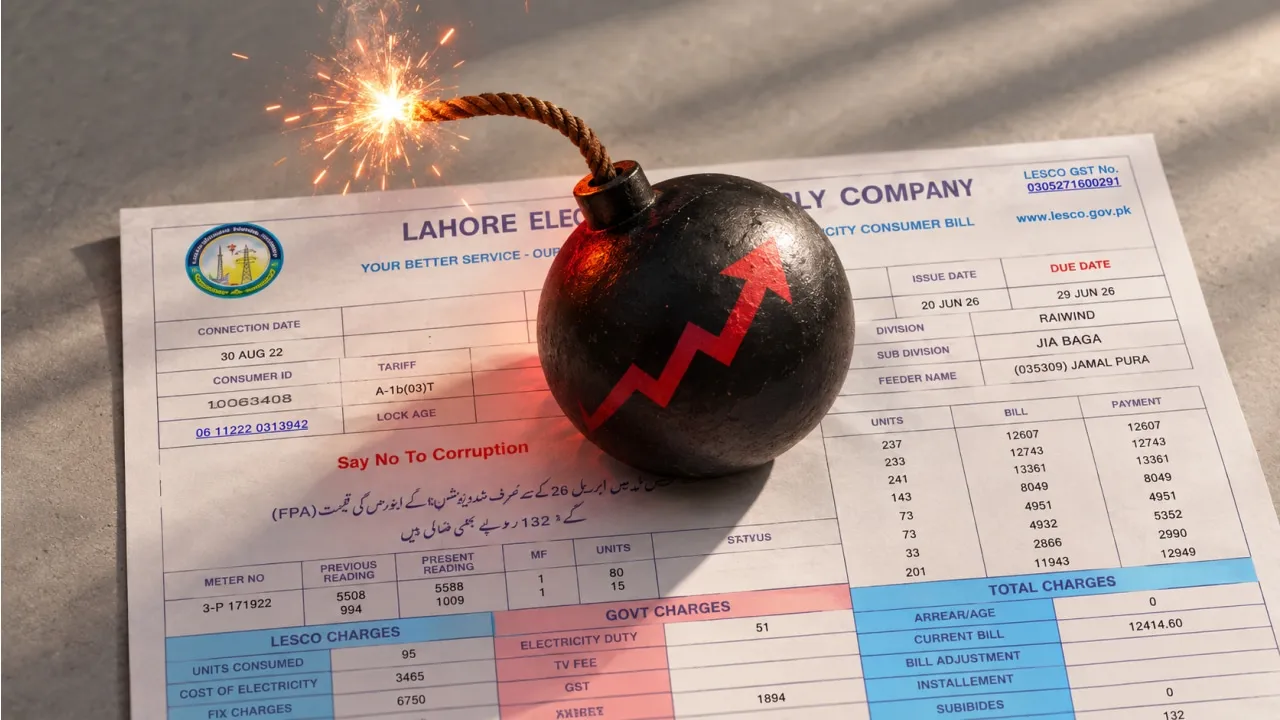
December Electricity Bill Increase Proposed for Pakistan Consumers
Electricity consumers across Pakistan could face an additional charge of Rs. 2.882 per unit in their December 2026 bills after power distribution companies sought regulatory approval to recover higher fuel costs incurred in October. This proposed adjustment threatens to increase financial pressure on households and businesses alike as winter approaches and energy demands shift across the country.
The Central Power Purchasing Agency Guarantee, acting on behalf of the country's ex-WAPDA distribution companies, formally submitted a request to the National Electric Power Regulatory Authority for approval of the October 2026 Fuel Charges Adjustment. Regulators now hold the responsibility of reviewing the data behind these generation expenses before deciding whether to pass the costs on to everyday ratepayers.
Understanding the Central Power Purchasing Agency Guarantee and Nepra
The Central Power Purchasing Agency Guarantee manages power procurement on behalf of distribution companies in Pakistan, ensuring that electricity flows from generation plants to local grids. When the actual cost of powering plants using coal, gas, oil, or other sources differs from initial estimates, the agency calculates the variance and applies for a monthly adjustment through the regulatory framework.
The National Electric Power Regulatory Authority serves as the independent watchdog overseeing the power sector, setting tariffs, and determining whether requested consumer surcharges are justified. By law, the regulatory body must scrutinize fuel consumption data, plant efficiency reports, and financial accounts submitted by distribution companies before granting any formal approvals for rate changes.
How the Fuel Charges Adjustment Affects Nationwide Bills
The proposed increase would also apply to K-Electric consumers under the government uniform fuel charges adjustment policy. If approved, the additional Rs. 2.882 per unit would be included in electricity bills issued in December, affecting millions of residential, commercial, and industrial meters nationwide.
According to the request, the reference fuel charge was Rs. 7.8696 per unit. The proposed adjustment reflects the difference between the notified reference fuel cost and the actual fuel-related charges recorded during October. This variance highlights the ongoing volatility in international fuel markets and local power generation mixes.
Review Process and Scheduled Public Hearings
Regulators maintain a transparent review process to evaluate monthly cost variations submitted by utility providers. Nepra has scheduled a public hearing for November 26 to examine the proposed fuel adjustment before making a decision. During this session, consumer advocates, industry representatives, and utility officials can present arguments regarding the validity of the claimed expenses.
Data submitted to the regulator shows that the ex-WAPDA distribution companies received 10,352 gigawatt-hours of net electricity during October, after accounting for transmission losses and electricity sold to independent power producers. This total volume forms the basis for calculating how much extra revenue utility companies require to cover their fuel expenditures from that month.
Practical Impact on Households and Businesses
For ordinary citizens, monthly utility expenses consume a substantial portion of household budgets, making any unexpected tariff revision a serious concern. Small businesses and manufacturing units also factor power costs directly into their operational expenses, meaning higher electricity tariffs often translate to increased prices for general goods and services.
Consumers must monitor their upcoming meter readings and billing statements closely to understand how these regulatory decisions affect their final payments. While the government maintains a uniform tariff policy across different distribution companies to standardize rates, monthly adjustments remain subject to fluctuating fuel prices and generation realities.





