Understanding Pakistan GSP Plus Status and EU Trade Preferences
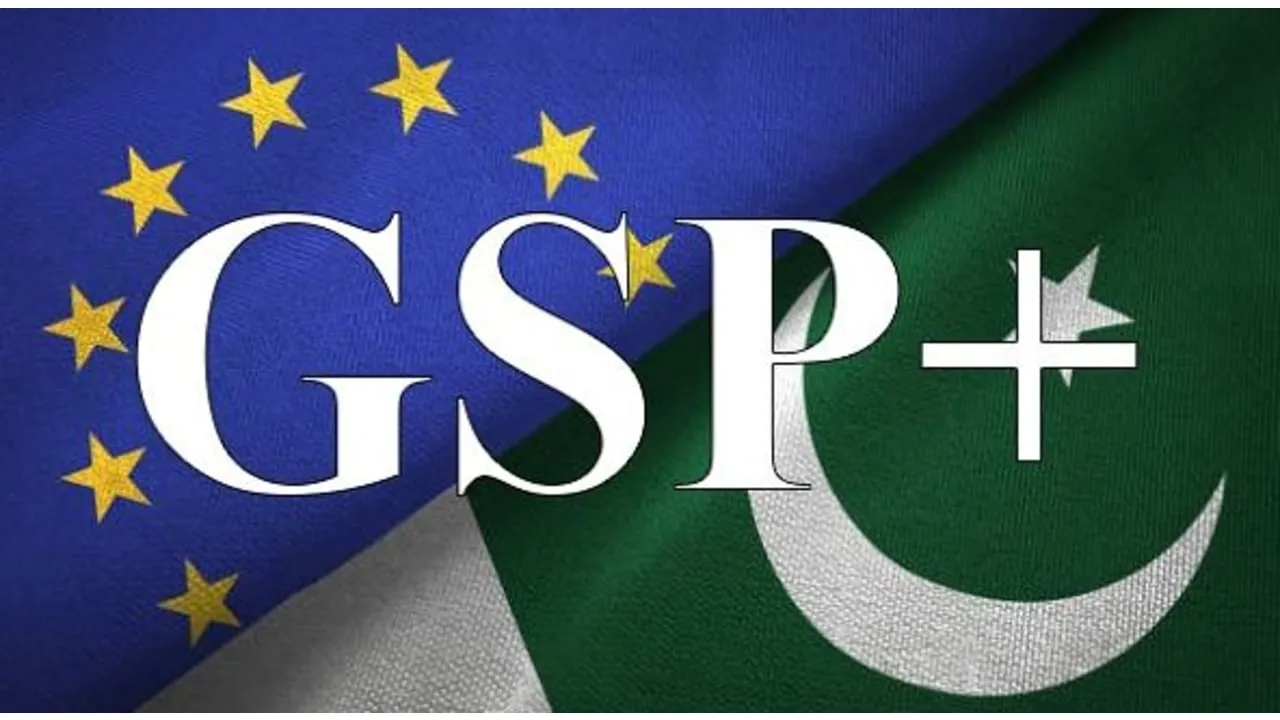
Pakistan holds a critical position in global trade through its Generalized Scheme of Preferences Plus status with the European Union. Minister of State for Finance Bilal Azhar Kayani informed the National Assembly Standing Committee on Finance on Tuesday that this vital arrangement will remain valid until December 31, 2028. This reassurance came during a legislative session where members raised serious concerns regarding the future of preferential trade access for the South Asian nation.
The GSP Plus program is a special incentive arrangement for sustainable development and good governance. It provides vulnerable developing countries with duty-free or heavily reduced tariff access to the vast European market. For Pakistan, which has participated in the scheme since 2014, this access has served as a primary driver for export growth, foreign exchange earnings, and industrial employment.
However, retaining these concessions requires continuous adherence to international conventions. The legislative committee scrutinized the framework after Chairman Syed Naveed Qamar described the program position as uncertain. Qamar stressed the urgent need for domestic improvements and policy alignment to safeguard Pakistan access to European buyers.
High Stakes for the National Economy and Textile Sector
The economic stakes for Pakistan are immense, particularly for the domestic textile and clothing manufacturing sectors. According to the European Union 2026 assessment data, Pakistan exported 7.5 billion euros in GSP-eligible goods to the bloc in 2024 alone. These exports generated an estimated 732 million euros in tariff exemptions for local producers and exporters.
Without these tariff reductions, Pakistani goods would face standard customs duties, making them significantly more expensive compared to competitors in rival manufacturing nations. Such a shift would threaten profit margins, factory operations, and the livelihoods of millions of workers employed throughout the textile supply chain, from cotton farming to garment assembly.
Recognizing these vulnerabilities, industry representatives have stepped up pressure on political leadership. The Pakistan Textile Council recently urged Prime Minister Shehbaz Sharif to coordinate federal and provincial efforts immediately. Meeting strict European Union requirements demands synchronized action across multiple levels of government to address policy gaps before the approaching deadline.
New EU Framework and Strict Conditions for 2028
The operational landscape for international trade preferences is shifting due to regulatory updates in Europe. The European Union approved a revised GSP framework in 2026. This updated framework requires Pakistan to actively seek continued GSP plus benefits beyond December 31, 2028, rather than relying on an automatic continuation of its existing beneficiary status.
To secure this renewal, Pakistan must prove full compliance with international conventions spanning several critical areas. The mandatory criteria cover human rights, labor rights, environmental protection, and the rule of law. European monitors regularly evaluate beneficiary nations on their legislative progress and practical enforcement mechanisms regarding these subjects.
Minister Kayani addressed these administrative challenges during the committee hearing by outlining executive oversight. He stated that Prime Minister Shehbaz Sharif was regularly holding meetings to ensure improvements and maintain Pakistan position under the program. These high-level reviews aim to bridge the gap between international expectations and domestic enforcement realities.
Institutional Response and Future Outlook
Addressing the complex demands of the European Union requires intense coordination between federal ministries, provincial authorities, and judicial institutions. Labor laws and environmental standards often fall under provincial jurisdiction in Pakistan, creating a governance challenge when national reporting to international bodies is required. Fulfilling rigorous oversight mandates demands seamless data sharing and uniform policy implementation across administrative boundaries.
Business leaders and trade analysts continue to monitor legislative updates and institutional readiness. The gap between current practices and European expectations remains a central topic in policy circles. Observers note that sustained political will and transparent administrative reforms are essential for meeting the benchmarks set by Brussels.
As the December 31, 2028 deadline approaches, the government faces a narrow window to demonstrate tangible progress. Stakeholders across the manufacturing and financial sectors await further updates from executive review sessions led by the Prime Minister. The outcome of these efforts will determine whether Pakistan maintains its competitive edge in the European marketplace.