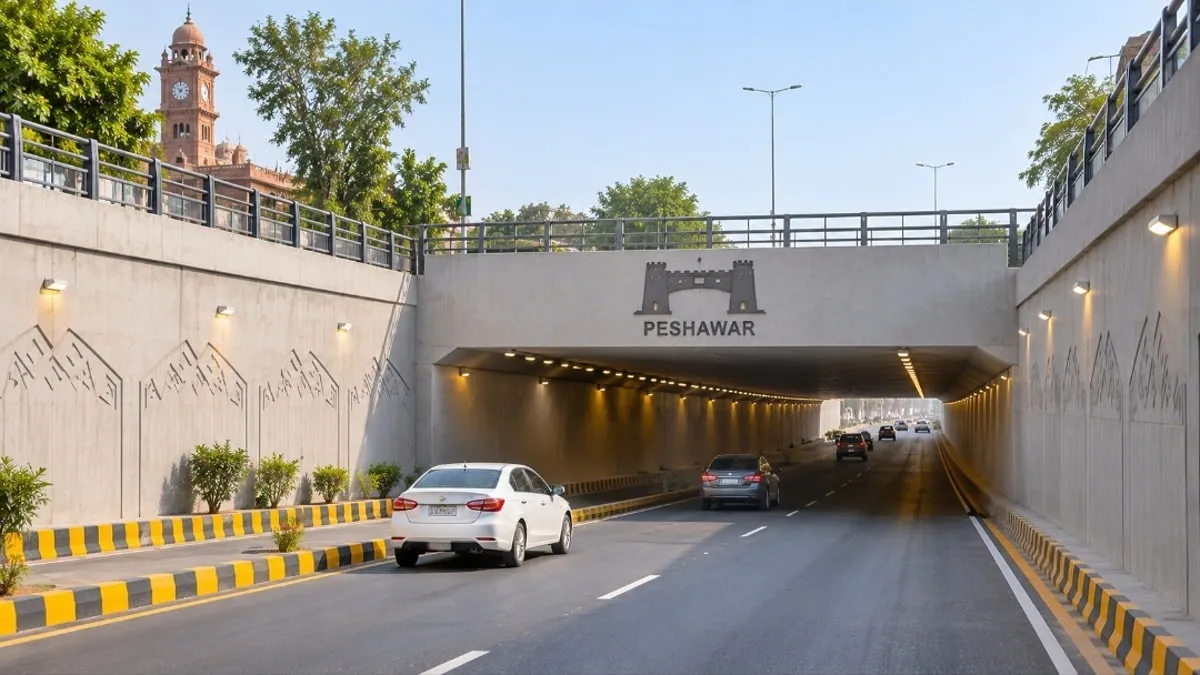
Peshawar Development Authority Directed to Draft Master Plan
The Peshawar Development Authority has received official instructions to formulate a comprehensive master plan designed to resolve traffic congestion and other persistent urban challenges facing the provincial capital. Adviser on Local Government, Communications and Works, Agriculture and Housing Asif Rafiq issued this specific directive during a high-level meeting held on Monday. The purpose of the session was to review both ongoing and proposed development projects intended to modernize the city infrastructure.
Urban traffic management has become a critical concern for residents and commuters navigating Peshawar on a daily basis. Rapid urbanization and a growing number of vehicles on the road necessitate forward-looking planning by municipal bodies. By ordering a master plan, the local government aims to establish a structured approach to urban growth rather than relying on isolated fixes for complex transit problems.
The Peshawar Development Authority serves as the primary regional agency responsible for urban planning, regulation, and infrastructure development. Officials within the authority must now evaluate current urban transit patterns and project future demands to ensure the new master plan delivers sustainable results. The directive emphasizes the need to address root causes of congestion rather than temporary bottlenecks.
Infrastructure Proposals Under Consideration
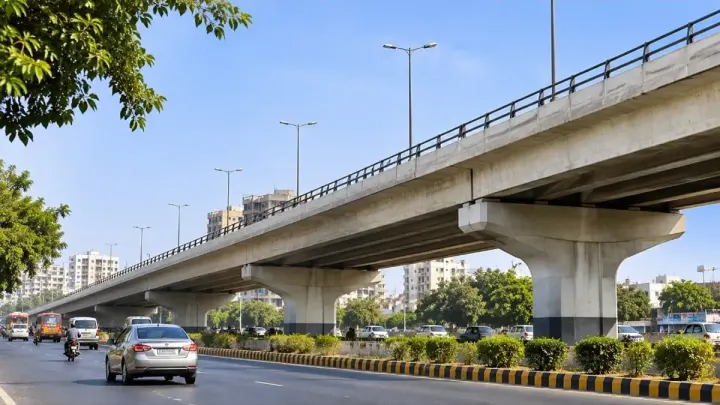
During the Monday meeting, participants discussed several key infrastructure proposals aimed at transforming urban mobility. These proposals include the expansion of Hashtnagri Bridge and the extension of Faqirabad Bridge to Government College Chowk. Upgrading these vital river and road crossings is expected to relieve pressure on adjacent commercial and residential corridors.
Furthermore, officials reviewed plans for the construction of brand new underpasses at three congested locations. These proposed underpasses are slated for Ram Das Bazaar, Jail Chowk, and Shoba Bazaar Chowk. Each of these sites represents a major traffic bottleneck where commercial activity and high vehicle volumes frequently cause severe delays.
Bridge expansions and underpasses form the core of the newly discussed engineering interventions. By separating through-traffic from local market traffic, these structures aim to reduce vehicle idle times and improve overall transit efficiency. Engineers and planners will study each location to determine the most effective design configurations.
Targeting Major Bottlenecks With New Underpasses
The proposal for underpasses at Ram Das Bazaar, Jail Chowk, and Shoba Bazaar Chowk directly targets some of the busiest commercial zones in Peshawar. Markets in these areas draw heavy foot and vehicular traffic throughout the day, creating complex transit conflicts. Constructing underpasses will allow smoother movement for commuters passing through these busy zones.
Adviser Asif Rafiq specifically called for underpasses and overhead bridges at major congestion points based strictly on actual requirements. This data-driven approach ensures that public funds are directed toward locations experiencing the highest volumes of delayed traffic. Planners must rely on traffic counts and congestion studies to justify each construction site.
In addition to the underpass proposals, officials presented a detailed traffic management plan for Town Chowk on Khyber Road. This specific plan aims to improve traffic flow along one of the city's key administrative and commercial arteries. Implementing structured traffic management at Town Chowk will complement the broader engineering works proposed across the capital.
Technical Assessment and Prioritization of Schemes
Following the presentation of various proposals, Adviser Asif Rafiq directed the Peshawar Development Authority to assess the proposed projects on strict technical and practical grounds. Thorough feasibility studies are essential to determine whether proposed underpasses and bridge extensions can be constructed without causing unacceptable disruption to existing utilities and businesses.
The evaluation process requires engineers to prioritize schemes that can provide lasting solutions to traffic problems. With limited financial resources and numerous infrastructure demands, municipal authorities must focus on projects yielding the highest public benefit. Long-term durability and traffic relief take precedence over short-term cosmetic fixes.
Technical assessments will examine soil conditions, drainage requirements, and utility relocation needs for every proposed underpass site. Civil engineers must also model how traffic will divert during the construction phases to prevent complete gridlock in the city center. Coordination among multiple municipal departments remains vital for executing these complex urban engineering tasks.
Enhancing City Appearance Along Motorway and GT Road
Beyond structural changes for traffic, the local government has placed significant emphasis on improving the visual aesthetics of the provincial capital. Adviser Asif Rafiq directed the development authority to enhance the city appearance along major entry points such as the motorway and Grand Trunk Road. Travelers arriving in Peshawar will encounter upgraded travel facilities and cleaner surroundings.
Beautification efforts will heavily feature extensive plantation and flower cultivation along these major highway corridors. Environmental upgrades not only improve the psychological experience of commuters but also contribute to better air quality in urban zones. Green spaces and landscaped medians help define the character of a modern, well-managed city.
Combining traffic engineering with urban beautification reflects a holistic approach to municipal development. Well-maintained roadways adorned with flora create a positive impression for visitors and investors entering Peshawar. The local government expects these aesthetic improvements to progress alongside the heavy infrastructure construction projects.