Pakistan Gold and Silver Prices Reach New Highs Amid US-Iran Tensions
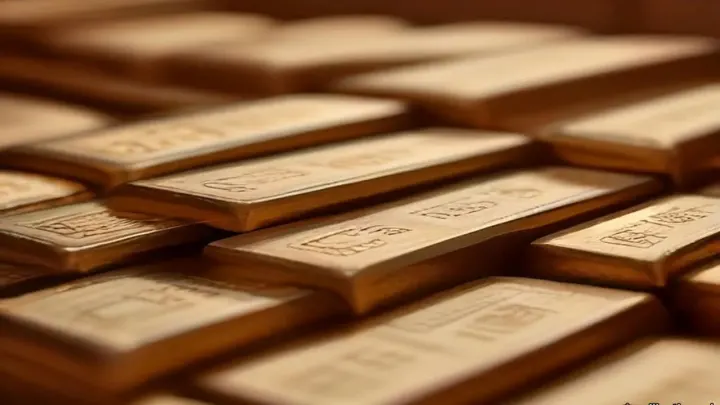
Precious metal markets have closed the week with substantial gains, driven primarily by sudden geopolitical friction in the Middle East. Stalled diplomatic negotiations between the United States and Iran have created profound anxiety across global financial exchanges. President Trump recently demanded historical conflict compensation from Tehran, an ultimatum that effectively freezes ongoing peace talks and leaves regional stability in deep uncertainty.
This diplomatic deadlock immediately crushes any immediate hope of reopening the Strait of Hormuz, a critical maritime chokepoint for international energy supplies. Consequently, spiking global oil prices fuel fresh inflation fears worldwide, prompting institutional and retail investors to alter their portfolios rapidly. Anxious market participants aggressively buy gold and silver as safe-haven assets to protect their wealth against currency depreciation and economic turmoil. In Pakistan, these international shocks translate directly into sharp upward pressure on local bullion rates, forcing domestic markets to react instantly.
Current Gold and Silver Rates in Pakistan
Domestic bullion traders inside local Sarafa markets constantly adjust prices to absorb these macroeconomic hits. For the weekend, the official figures reflect the severe pressure coming from international commodities exchanges. Buyers across the country face exceptionally steep valuations for both yellow and white precious metals.
Here is a breakdown of the gold and silver rates in Pakistan today:
- Gold (24K) Per Tola: Rs. 422,189
- Gold (24K) 10 Grams: Rs. 361,965.60
- Gold (24K) 1 Per Gram: Rs. 36,196.56
- Silver Per Tola: Rs. 5,389.30
- Silver 10 Grams: Rs. 4,620.53
- Silver Per Gram: Rs. 462.053
These domestic figures reflect the direct conversion of international troy ounce valuations, combined with local market dynamics and currency exchange rates. Sarafa association members monitor these metrics continuously throughout the trading day to maintain alignment with global shifts.
International Spot Rates for Gold and Silver
On the global stage, commodities exchanges registered strong upward momentum as traders reacted to the breakdown in Washington and Tehran communications. Spot metal prices surged as volume concentrated heavily in safe-haven instruments. The failure of diplomatic channels removed any immediate prospect of easing supply chain anxieties for energy and related goods.
Here is a breakdown of the international rates for today:
- Spot Gold: $4,070.78 per troy ounce
- Spot Silver: $51.954 per troy ounce
These international benchmarks serve as the foundational pricing mechanism for domestic markets around the world. When spot prices climb overseas, import-dependent nations like Pakistan experience immediate cost adjustments in local retail outlets.
Geopolitical Drivers Behind the Precious Metals Surge
The root cause of the current market spike lies in the abrupt halt of diplomatic channels between Washington and Tehran. Diplomatic efforts had previously offered a fragile framework for reducing regional military posturing. However, the demand for historical conflict compensation introduced by President Trump abruptly altered the political calculus.
When peace talks freeze under such contentious conditions, market participants immediately price in the risk of military escalation. Historically, geopolitical conflicts generate severe supply chain disruptions, particularly regarding petroleum products originating from the Persian Gulf. As crude oil futures climb, broader consumer price indexes face upward pressure, eroding the purchasing power of fiat currencies.
Understanding the Strait of Hormuz Chokepoint
The Strait of Hormuz represents the world's most vital energy transit corridor, connecting Persian Gulf crude producers to global markets. Roughly a fifth of the world's petroleum consumption passes through this narrow maritime channel daily. Any threat of closure or military conflict in this region triggers immediate panic across energy trading desks.
When oil supplies face restrictions, manufacturing and transportation costs rise across all economic sectors. This energy-driven inflation forces central banks to navigate difficult policy choices, while everyday investors seek refuge in tangible assets. Gold and silver historically perform well during periods of energy insecurity, as they maintain intrinsic value independent of government-issued paper money.
How Local Sarafa Markets Absorb Global Shocks
Domestic jewelers and bullion dealers in Pakistan rely heavily on international spot quotations to set daily domestic rates. Because the country imports a significant portion of its precious metal requirements, global price movements transmit directly into domestic shops. Local Sarafa associations meet regularly to compute these values based on current exchange rates and international per-ounce benchmarks.
Traders note that extreme volatility often dampens physical retail buying power among ordinary citizens, even as overall asset values rise. High per-tola prices make wedding purchases and traditional savings investments difficult for average households. At the same colourful time, serious investors view these record levels as validation of bullion's protective qualities during global uncertainty.
What to Watch for in Future Metal Markets
Market observers and precious metal investors must monitor several key developments as the new week approaches. First, any diplomatic signals from Washington or Tehran regarding a resumption of talks will instantly impact spot prices. Second, daily movements in global crude oil benchmarks will dictate whether inflation fears continue to mount or begin to recede.
Investors should also watch currency market fluctuations, as local currency strength against the US dollar directly affects domestic conversion rates. While predicting short-term commodity trends remains challenging during active geopolitical crises, maintaining awareness of international headlines provides the best indicator for future price directions.