Gold Prices in Pakistan Hold Steady After Sharp Fall
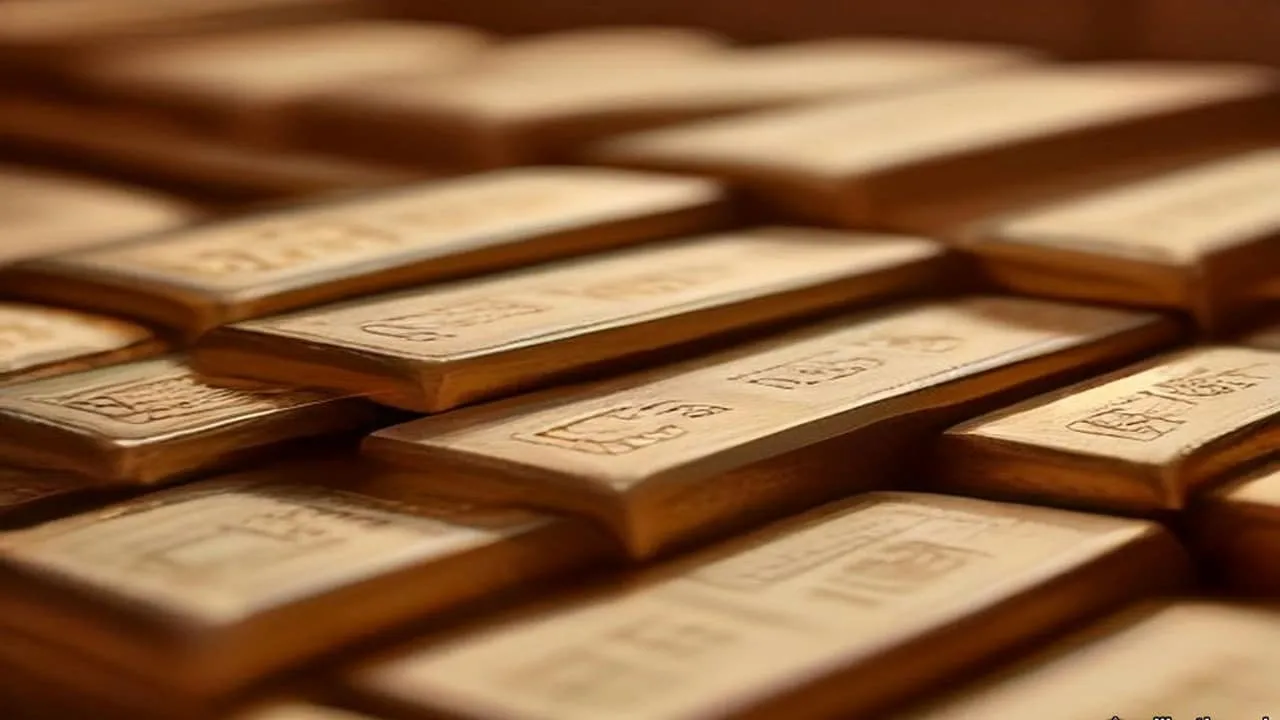
Gold prices in Pakistan held steady on Saturday, with 24-karat gold unchanged at Rs. 429,136 per tola after a sharp fall a day earlier. The pause in price movement provided a brief moment of calm for local markets following days of intense trading activity. According to rates shared by the All-Pakistan Gems and Jewellers Sarafa Association (APGJSA), 10-gram gold also saw no change and stayed at Rs. 367,914.
The pause came after Friday's drop of Rs. 6,500 per tola, which brought the local rate down to the same Rs. 429,136 level that held through Saturday. Market observers noted that the precious metal had experienced a volatile run prior to this stabilization. ProPakistani earlier tracked gold's volatile run, including when it crashed again after an explosive spell and when it gained Rs. 24,000 per tola. This constant swinging between steep gains and sudden drops has kept retail buyers and investors on edge across the country.
International Gold and Silver Market Trends
In the global market, gold stayed stable at $4,066 per ounce, matching the calm in local rates. International bullion prices serve as the primary baseline for domestic rates in Pakistan, as the country imports its gold to meet local demand. When global ounce values hold firm, domestic associations typically reflect that stability in their daily rate sheets.
Silver moved the other way. Its price fell by Rs. 10 to Rs. 5,668 per tola. While gold commands the highest attention from major investors seeking a safe haven asset, silver remains a popular choice for smaller retail buyers and industrial users. The divergence in the daily movement of the two precious metals highlights the distinct supply and demand pressures operating within each market segment.
Understanding APGJSA and Local Gold Pricing
The All-Pakistan Gems and Jewellers Sarafa Association is the primary body responsible for determining and releasing daily gold and silver rates in the country. Sarafa markets in major cities like Karachi, Lahore, and Islamabad rely on these official quotations to maintain uniformity in trading. Retailers and jewellers use the APGJSA rate sheet as a mandatory benchmark for all transactions involving raw bullion and finished ornaments.
Calculating the price of gold in Pakistan involves tracking both international dollar-denominated ounce rates and local currency exchange fluctuations. Because Pakistan imports bullion, shifts in the value of the rupee against the US dollar directly influence domestic retail costs. When the currency weakens, imported gold becomes more expensive for local traders, pushing per tola rates upward regardless of international spot trends.
What the Latest Rates Mean for Buyers and Investors
Buyers hoping for another cut after Friday's Rs. 6,500 drop did not get one. At Saturday's fixed rate, consumers must budget carefully before making purchases for weddings or personal investment. For practical planning at Saturday's fixed rate:
- Half a tola of 24-karat gold costs about Rs. 214,568.
- One tola costs Rs. 429,136 (the same as Friday's close).
- Two tolas cost about Rs. 858,272.
Compared with Friday morning's level before that Rs. 6,500 fall, one tola is still Rs. 6,500 cheaper. These are APGJSA rates for pure 24-karat gold; jewellery buyers also pay making charges on top. Making charges vary depending on the intricacy of the design and the specific jeweller handling the craftsmanship.
Historical Volatility and Economic Impact
The recent trajectory of bullion prices reflects broader economic uncertainties. Inflationary pressures and currency fluctuations often drive citizens toward precious metals as a dependable store of value. Historic surges, such as the previous gain of Rs. 24,000 per tola tracked by market analysts, demonstrate how quickly external economic shifts can alter the financial calculus for households.
Small businesses and local jewellers feel the immediate impact of this volatility. When prices spike or crash abruptly, customer footfall in traditional markets changes drastically. High rates tend to freeze retail buying, while sudden drops can trigger a rush of bargain hunters or panic selling depending on market sentiment.
What to Watch for in Coming Trading Sessions
Market participants monitor international economic data releases, central bank interest rate decisions, and currency exchange rates to anticipate the next big shift in bullion values. Since local rates mirror global trends closely, any movement in international spot prices during upcoming trading sessions will quickly translate into new APGJSA rate sheets.
Consumers looking to purchase gold or silver should keep track of daily market announcements from official association channels. Watching the interaction between international ounce prices and local currency strength provides the clearest indicator of whether rates will resume their upward climb or experience further corrections in the near future.