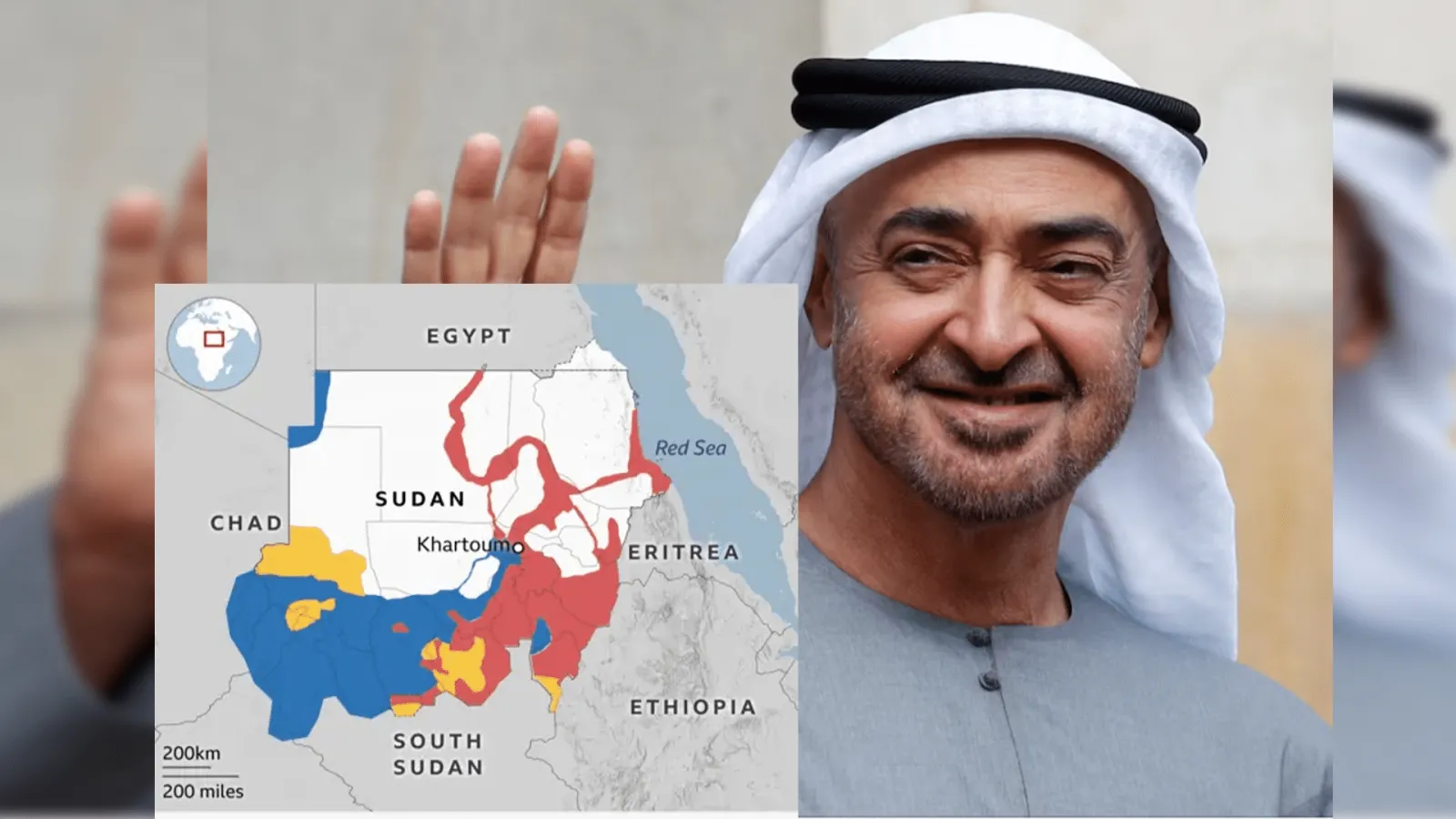
Secret UN Report Details UAE Role in Sudan Conflict
A confidential United Nations report has detailed how a network of UAE-linked companies and facilities allegedly helped move Colombian mercenaries into Sudan to fight alongside the paramilitary Rapid Support Forces (RSF). The findings shed light on the complex international supply lines and foreign fighters sustaining the ongoing war in Sudan, which has displaced millions and caused a severe humanitarian catastrophe. International investigators have spent months tracing financial flows, travel routes, and logistics networks to understand how external actors influence the conflict on the ground.
International news agencies earlier reported that UAE-based Global Security Services Group (GSSG) facilitated the movement of Colombian fighters into Sudan through routes crossing Libya, Somalia, and Chad. These transit hubs have served as critical corridors for moving personnel and military hardware into areas controlled or contested by the RSF. The involvement of private security contractors and foreign mercenaries adds a dangerous layer of complexity to a civil war that has already drawn scrutiny from various international bodies and human rights organizations.
How Colombian Mercenaries Entered Sudan
The deployment of Colombian fighters to the front lines of the Sudanese civil war relied on an intricate web of logistics managed by private entities. According to the confidential United Nations document, the Global Security Services Group played a central role in orchestrating the travel logistics. Former military personnel from South America were recruited and flown through multiple jurisdictions before reaching East Africa and the Horn of Africa.
Investigators traced the specific pathways used by these fighters, noting that transit routes crossed through Libya, Somalia, and Chad. Each of these countries presents unique border enforcement challenges, making them vulnerable to illicit trafficking and the movement of armed personnel. The ability of private networks to bypass official state controls highlights persistent vulnerabilities in regional security architecture across North and East Africa.
Facilities and Training Camps Identified by Investigators
UN investigators also identified a base operated by the UAE-linked Puntland Maritime Police Force in Bosaso, Somalia, as a location used for the transit or training of Colombian mercenaries before their deployment to Sudan. The utilization of coastal facilities in Somalia demonstrates the multi-regional scope of the operation, stretching from the Arabian Peninsula through the Horn of Africa.
In addition to the base in Bosaso, the report says investigators identified training locations in Abu Dhabi, Ghayathi, and al-Wathba in the UAE, alongside facilities in Somalia. These sites allegedly served as staging grounds where foreign fighters prepared for active duty in Sudan. The presence of training infrastructure inside the UAE forms a core component of the allegations compiled by international monitors.
Impact on Military Operations in Darfur
The report says the fighters played a significant role in RSF military operations in Darfur, particularly during the siege and capture of el-Fasher. Darfur has suffered some of the most intense violence of the current conflict, resulting in widespread destruction, mass displacement, and severe shortages of food and medical supplies.
Their involvement reportedly included operating drones and providing artillery and infantry support to RSF forces. The addition of experienced foreign contractors enhanced the tactical capabilities of the paramilitary group during critical engagements. Military analysts note that advanced drone operations and precise artillery support require specialized training that local militias often lack without external assistance.
Official Responses and Denial of Allegations
The UAE and other entities named in the report have rejected allegations of wrongdoing. Abu Dhabi has maintained that it is not involved in supporting the RSF's military operations. Government representatives have consistently asserted that the nation promotes diplomatic solutions and humanitarian aid delivery in Sudan rather than fueling the military conflict.
The release of confidential findings by United Nations experts typically prompts further scrutiny from the Security Council and member states. While official denials stand, investigators continue to compile evidence regarding supply chains, financial transactions, and logistical support networks operating across multiple borders.