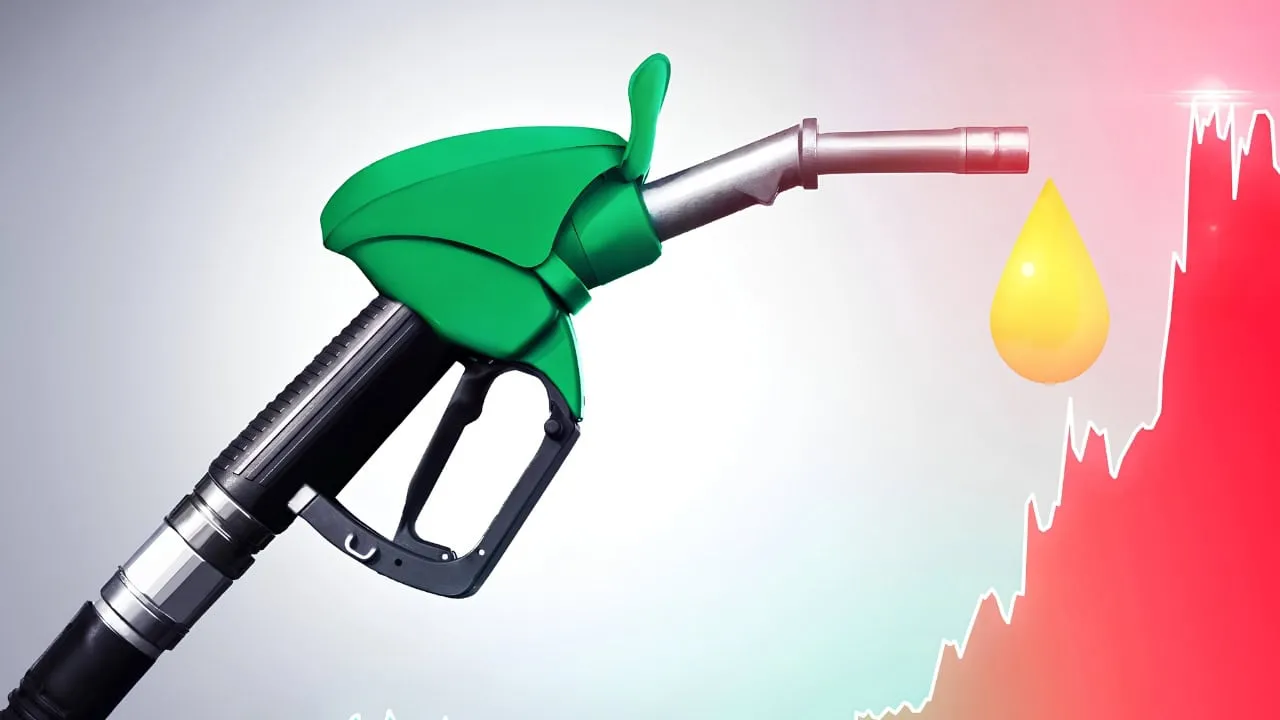
The Federal Government has officially transitioned to a strategy of adjusting petrol and diesel prices daily. Effective July 17, 2026, the Oil and Gas Regulatory Authority (OGRA) has started revising the ex-depot prices of petroleum products, including petrol and diesel, every 24 hours. The government implemented this drastic measure to shield the local economy from extreme market volatility.
The newly revised prices show a downward trend for consumers. OGRA has announced a significant reduction in the price of Motor Spirit (MS), commonly known as petrol. Meanwhile, the price of High Speed Diesel (HSD) has also seen another decrease.
| Product | Previous Price(06/10/2026) | Revised Price(07/10/2026) | Difference |
|---|---|---|---|
| Motor Spirit (MS) | Rs. 352.59 | Rs. 346.00 | -6.59 |
| High Speed Diesel (HSD) | Rs. 382.25 | Rs. 378.0 | -4.25 |
These daily adjustments will remain unchanged during weekends (Saturdays and Sundays) and public holidays.
Why the Government Adopted Daily Price Adjustments
Pakistan has faced recurring swings in international oil prices for decades, but the scale of the 2026 shock is unprecedented. The daily-adjustment policy is designed to prevent large, sudden jumps at the pump that could destabilise household budgets and inflation expectations. By updating ex-depot rates every 24 hours, OGRA can pass through wholesale market movements more quickly, reducing the lag that previously amplified price spikes.
Background: The 2026 US-Israel War on Iran and Its Effect on Oil Supplies
The pricing shift directly results from the largest disruption to the world energy supply since the 1970s. The 2026 US-Israel war on Iran triggered a massive global fuel crisis. In late February, Iran blocked shipping traffic through the Strait of Hormuz. This critical maritime chokepoint previously handled about 25% of the world's seaborne oil trade. Furthermore, the United States retaliated with an extensive naval blockade on Iranian ports.
A temporary ceasefire briefly restored hope in June. However, the truce completely collapsed on July 8 following renewed strikes on commercial vessels. Iran immediately closed the strait again. The US military subsequently launched consecutive rounds of airstrikes to force it open. These relentless crossfires and blockages continue to strangle global oil shipments. Consequently, OGRA must now navigate the crisis with daily adjustments in petrol and diesel prices at the pump.
How OGRA Calculates Daily Ex-Depot Prices
OGRA's methodology follows a formula set out in the Oil and Gas Regulatory Authority (Regulation) Rules 2020. The ex-depot price is derived from three components:
- International crude oil price (usually the Dubai OPEC basket) expressed in US dollars per barrel.
- Conversion rate of the US dollar to the Pakistani rupee, determined by the State Bank's reference rate published each morning.
- Logistics and refinery margin, which includes transport, storage, and a regulated profit margin for refineries.
Each component is updated daily based on market data, after which OGRA publishes the revised price at 10:00 am local time. The new price becomes effective for all sales from the following 00:01 am to 23:59 pm.
Impact on Consumers, Businesses and the Economy
For the average commuter, the Rs. 6.59 cut in petrol translates to roughly Rs. 13 per kilometre for a typical 10-kilometre daily commute, saving about Rs. 390 per month. Diesel-dependent transport firms, such as trucking and bus operators, see a Rs. 4.25 reduction per litre, which can improve profit margins or allow modest fare adjustments.
Small and medium-size enterprises that rely on diesel generators for electricity also benefit, as lower fuel costs reduce operating expenses and may help curb inflationary pressure on consumer goods.
On a macro level, the daily-adjustment mechanism aims to stabilise the Consumer Price Index (CPI). By preventing abrupt price spikes, the government hopes to keep inflation within the 4-6% target range set by the central bank.
What Comes Next: Monitoring and Future Adjustments
OGRA has indicated that the daily revision system will stay in place as long as the geopolitical tension affecting the Strait of Hormuz persists. The authority will review the policy after three months to assess its effectiveness in curbing inflation and protecting consumer purchasing power.
Stakeholders are advised to watch the following indicators:
- International crude oil price movements, especially the Dubai OPEC basket.
- US-Iran diplomatic developments, including any renewed ceasefire talks.
- State Bank of Pakistan's daily exchange rate announcements.
- Domestic inflation data released by the Pakistan Bureau of Statistics each month.
Any significant shift in these variables could trigger another round of price adjustments, either upward or downward.
Practical Takeaways for Readers
Consumers should check the daily price bulletin posted on OGRA's official website before filling up, as weekend and holiday prices will remain unchanged from the last weekday's rates. Fuel-price aware drivers can use the saved amount to plan budgeting or consider fuel-efficient driving practices.
Businesses that rely heavily on diesel should inform fleet managers of the new rates and evaluate whether to adjust route planning or negotiate freight contracts based on the lower cost.
Overall, the daily-adjustment policy reflects an adaptive response to an unprecedented global energy shock, aiming to protect the domestic economy while the international situation remains volatile.