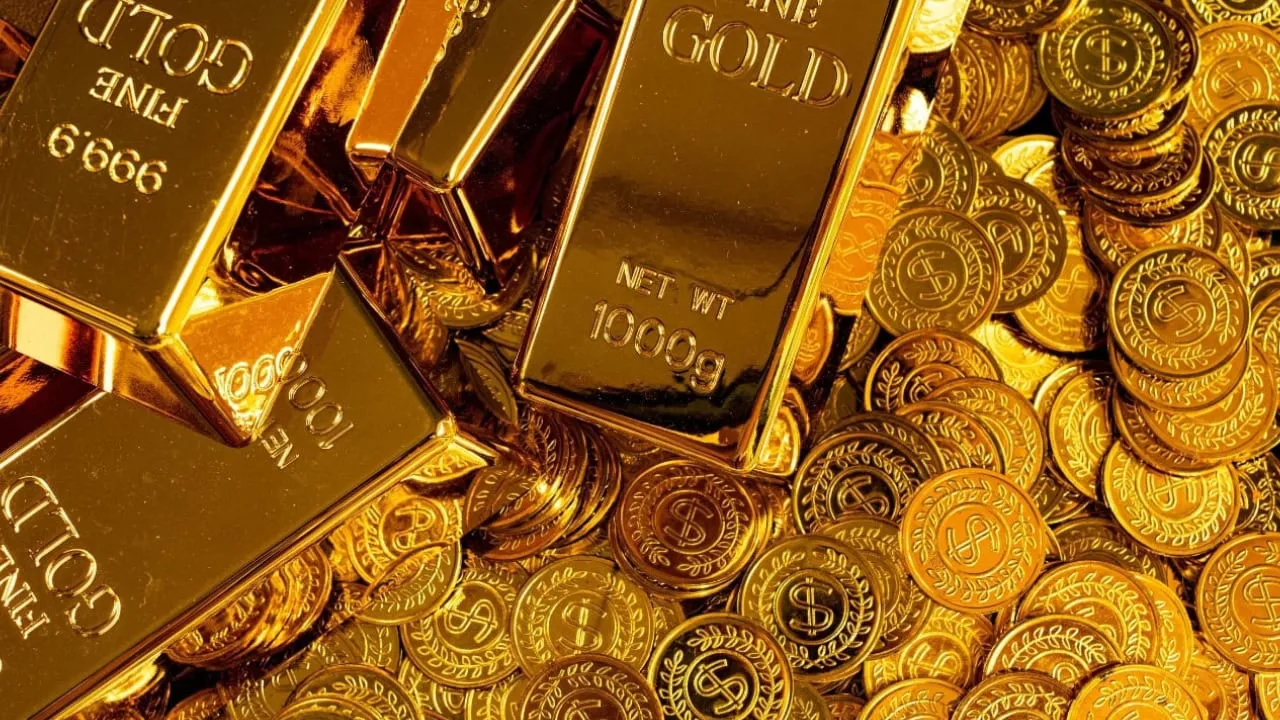
Understanding Recent Gold and Silver Price Fluctuations in Pakistan
Stalled US-Iran negotiations are currently driving significant volatility in precious metals. President Trump recently demanded historical conflict compensation from Tehran. This demand effectively freezes ongoing peace talks. The sudden deadlock crushes any immediate hope of reopening the Strait of Hormuz. Consequently, spiking global oil prices fuel fresh inflation fears. Anxious investors aggressively buy gold and silver as safe-haven assets. In Pakistan, these international shocks push local prices of these assets sharply higher. Local Sarafa markets constantly adjust prices to absorb these macroeconomic hits.
Precious metals have long served as a financial fortress for investors seeking shelter from currency devaluation and economic instability. When geopolitical tensions escalate in major energy corridors, financial markets react swiftly. The current situation in the Middle East directly impacts global commodity exchanges, sending ripples down to domestic retail markets in South Asia.
Current Gold and Silver Rates in Pakistan
Local markets in Pakistan respond directly to shifts in international bullion benchmarks and currency exchange rates. Sarafa association representatives monitor these fluctuations continuously throughout the trading day. Here is a breakdown of the gold and silver rates in Pakistan today:
- Gold 24K Per Tola: Rs. 392,918
- Gold 24K 10 Grams: Rs. 336,869.30
- Gold 24K 1 Gram: Rs. 33,686.93
- Silver 24K Per Tola: Rs. 4,776.67
- Silver 24K 10 Grams: Rs. 4,095.30
- Silver 24K 1 Gram: Rs. 409.53
These figures reflect the immediate absorption of global market pressures by domestic bullion traders. Buyers and sellers across major urban centers refer to these official Sarafa rates for daily transactions.
International Spot Market Prices for Precious Metals
Global commodity trading floors dictate the baseline value of precious metals before local taxes and fabrication charges apply. Traders look closely at troy ounce valuations on international exchanges to gauge overall market sentiment. Here is a breakdown of the international rates for today:
- Spot Gold: $3,790.19 per troy ounce
- Spot Silver: $46.105 per troy ounce
These international spot prices establish the framework within which regional markets operate. Any movement in New York or London trading sessions translates rapidly into domestic adjustments.
Geopolitical Tensions and the Strait of Hormuz
The core catalyst behind the current market turbulence stems from diplomatic friction in the Middle East. President Trump recently demanded historical conflict compensation from Tehran, a condition that brought active diplomatic channels to a sudden halt. This diplomatic freeze prevents any constructive dialogue regarding regional security and maritime trade routes.
At the center of this maritime concern is the Strait of Hormuz, a narrow waterway of immense global importance. A significant portion of the world petroleum supply passes through this passage daily. When political deadlocks threaten the security of this channel, energy markets react with immediate panic. The resulting disruption to oil shipments creates an environment of acute economic uncertainty.
Inflation Fears and Safe-Haven Investment Demand
Spiking global oil prices act as a primary engine for broader economic inflation. As energy costs climb, the cost of manufacturing, transport, and consumer goods follows upward. Central banks often struggle to contain inflation driven by external supply shocks, which devalues fiat currency purchasing power.
Faced with depreciating cash values, institutional and retail investors pivot toward tangible assets. Gold and silver historically perform well during periods of high inflation and geopolitical instability. Anxious investors aggressively buy gold and silver as safe-haven assets, driving international demand and lifting valuations across the board.
The Role of Local Sarafa Markets in Pakistan
Domestic precious metal trade in Pakistan relies heavily on the network of local Sarafa markets. These traditional exchanges track international spot quotes alongside domestic currency exchange rates to set fair daily tariffs. Local Sarafa markets constantly adjust prices to absorb these macroeconomic hits, ensuring that domestic inventory aligns with global replacement costs.
Jewelers, individual savers, and commercial traders depend on these transparent daily rate sheets. Because Pakistan imports a substantial portion of its bullion requirements, international price swings transmit directly into the local economy without a buffer.
Economic Impact on Local Consumers and Businesses
The upward movement of precious metal rates carries direct consequences for everyday citizens and commercial enterprises. Traditional weddings and cultural ceremonies in the region traditionally involve substantial gold purchases, making price spikes a significant financial burden for families. Retail jewelry businesses also experience shifts in consumer behavior as buyers adapt to higher per-tola rates.
At the same time, individual investors holding physical bullion see the verified paper value of their assets increase. This dynamic highlights the dual nature of commodity price inflation, benefiting current holders while presenting challenges for new buyers entering the market.
What to Watch for in Future Metal Markets
Market participants must monitor several key developments to anticipate future price directions. Diplomatic signals regarding US-Iran relations remain the primary variable affecting geopolitical risk premiums. Any reopening of dialogue or easing of demands could reduce safe-haven panic and stabilize oil supplies.
Additionally, traders keep a close eye on global inflation reports and central bank monetary policy announcements. Until diplomatic resolutions materialize in the Middle East, precious metal valuations will likely remain sensitive to daily headlines from international energy corridors.





