Pakistan Internet Speed Increases By 60 Percent
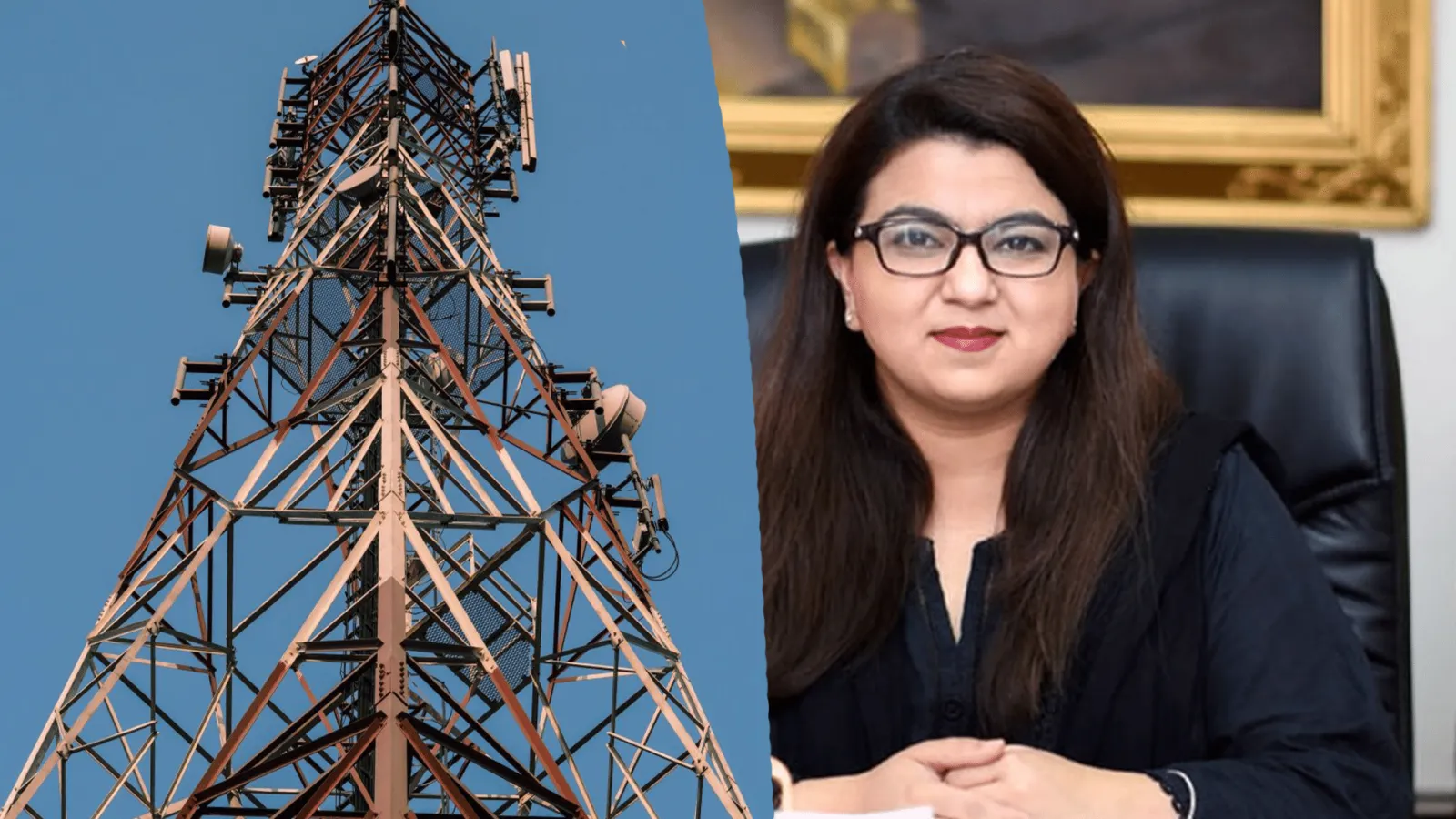
Pakistan's internet speed has increased by 60 percent over the past two and a half years, while fibre-optic connectivity has doubled, Federal Minister for Information Technology and Telecommunication Shaza Fatima Khawaja said on Tuesday. Speaking at the Margalla Dialogue, the minister detailed significant updates regarding the country telecommunication sector, highlighting growth in network capacity, data usage, and digital infrastructure projects.
The announcement comes as the Ministry of Information Technology and Telecommunication continues to push forward with its broader plans for the telecommunication industry. Officials have been working to address historical bottlenecks in bandwidth and connectivity that have frequently affected users across major urban centres and rural regions alike. The reported improvements mark a measured shift in how digital services are delivered and accessed nationwide.
Growth in Internet Data Usage and Capacity
During her address at the Margalla Dialogue, Shaza Fatima Khawaja stated that Pakistan's internet data usage had increased by two terabits per second. This surge in consumption took the country's total live internet capacity to around seven terabits per second. Network operators have had to scale up their backend systems to handle the heavier traffic generated by streaming services, remote work, e-commerce platforms, and educational portals.
To support this higher volume of data traffic, infrastructure upgrades have taken place across multiple layers of the national network. Internet service providers and mobile network operators have invested in modernizing core routing equipment and expanding local peering arrangements. These technical adjustments help reduce latency and ensure more stable connections for millions of everyday users.
Expansion of Fibre-Optic Networks and Submarine Cables
A central pillar of the recent telecommunication growth involves physical infrastructure development. Shaza said two new submarine internet cables had also been added to improve international connectivity. Submarine cables form the backbone of global data transmission, linking domestic networks to international exchange points across the globe.
Meanwhile, the country's fibre-optic network had expanded from three million connections to more than six million. Fibre-optic cables transmit data using light pulses through glass fibres, offering vastly superior speeds and reliability compared to traditional copper telephone lines. The doubling of these connections brings high-speed broadband closer to homes, offices, and industrial hubs across the country.
Spectrum Auction and 5G Services Launch
Wireless communication capacity has also seen a substantial upgrade through recent regulatory actions. Shaza said Pakistan had also completed the largest spectrum auction in its history, offering 480 MHz of spectrum. This increased the country's total available spectrum from 274 MHz to more than 750 MHz. Radio frequency spectrum serves as the invisible highway over which mobile and wireless data travels.
Following these spectrum allocations, mobile network operators rolled out advanced wireless technologies. Shaza added that 5G services had been launched in Pakistan, with around 1.8 million users already subscribed to the technology. Fifth-generation mobile networks provide faster download speeds, lower latency, and support for a greater number of connected devices per square kilometre.
Artificial Intelligence and Future Digital Skills
Beyond physical infrastructure, the discussion at the Margalla Dialogue turned toward emerging technologies and workforce readiness. Speaking about artificial intelligence, the minister said AI could become a $4.8 trillion global economy by 2033. She noted that adoption rates are climbing across various commercial and public sectors worldwide, changing how organizations operate and deliver services.
Addressing concerns about employment, Shaza said the technology would transform jobs rather than eliminate them, and people using AI could become up to 100 times more productive than others with similar skills. She stressed the need for people to acquire new digital skills to remain competitive as AI adoption increases. Educational institutions and training programs are expected to adapt their curricula to prepare students and professionals for a technology-driven labor market.
Government Vision for Digital Nation Pakistan
The ongoing infrastructure projects and policy implementations form part of a broader national strategy. Shaza said the government was committed to advancing the Digital Nation Pakistan vision and expanding the country's digital infrastructure. This overarching framework seeks to integrate digital tools into governance, commerce, education, and healthcare.
Execution of this vision involves coordination between regulatory bodies, private telecom operators, and educational entities. As the government continues to implement these initiatives, observers will monitor how further network expansions and policy adjustments influence digital inclusion, pricing, and service quality for consumers across Pakistan.





