Understanding the Cyber Security Annual Report 2025-26
Pakistani internet users face growing risks from fake websites, dangerous mobile apps, and fraudulent social media accounts that can be used to trick people into sharing personal information or falling for online scams. The digital environment has expanded rapidly across the country, bringing immense convenience alongside sophisticated threats from cyber criminals who target unsuspecting citizens.
The Pakistan Telecommunication Authority identified and processed 586 malicious online sources between July 2025 and June 2026, according to its Cyber Security Annual Report 2025-26. This comprehensive document details the scope of digital threats encountered over the twelve-month period and outlines the technical measures taken by regulatory bodies to protect the national telecom infrastructure.
These figures highlight a persistent challenge for digital regulators who must balance open internet access with stringent security protocols. Citizens increasingly rely on digital platforms for banking, education, and commerce, making them prime targets for malicious actors seeking financial gain or personal data through deception.
Breakdown of Identified Malicious Online Sources
A closer examination of the official figures reveals the specific categories of digital threats cataloged by the regulatory body during the reporting period. These included 152 dangerous website links, 48 malicious mobile apps, and 386 suspicious social media accounts and pages.
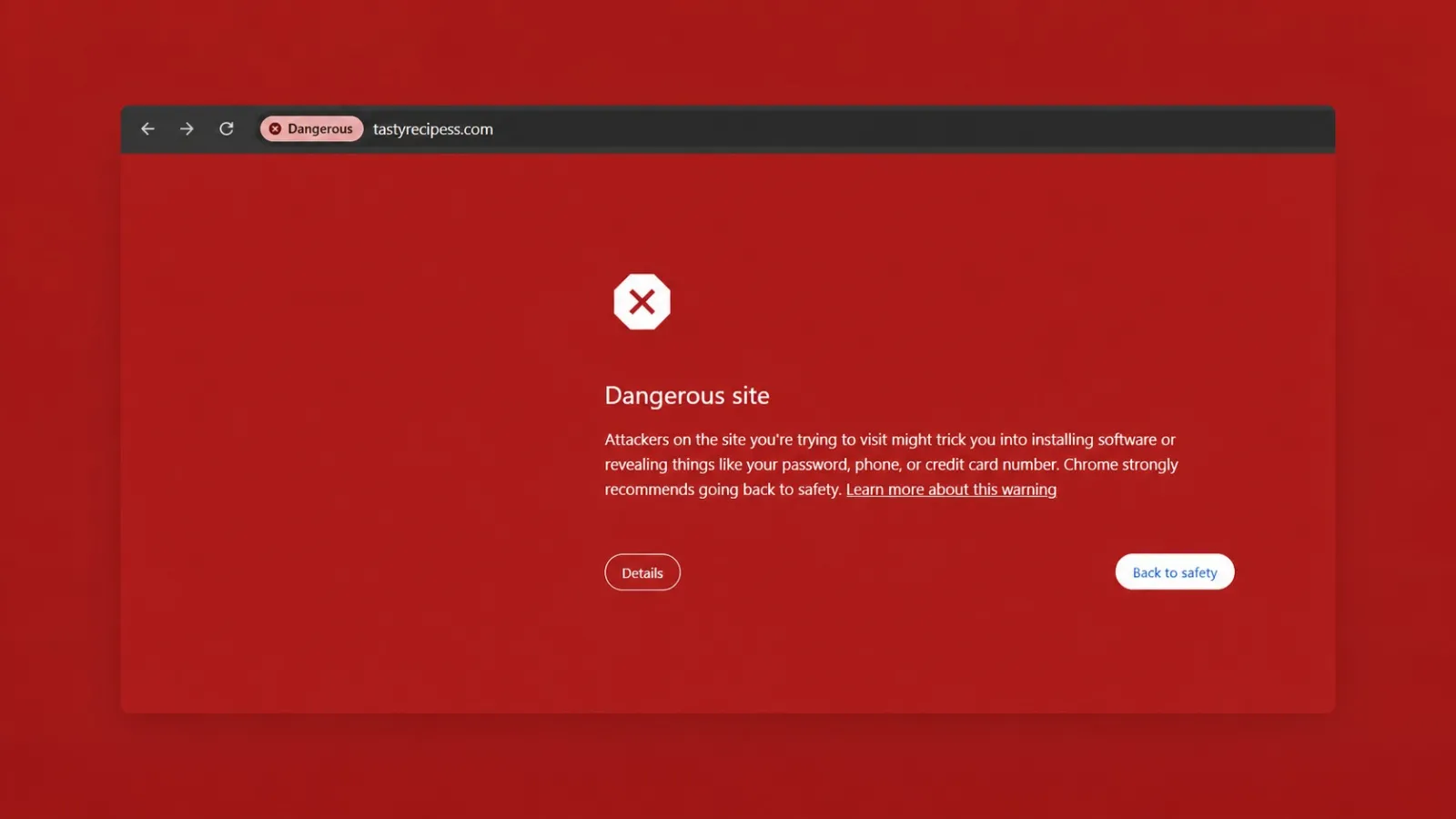
Dangerous website links often mimic legitimate banking portals, utility providers, or government services to induce panic or urgency in the user. Once a visitor lands on these domains, they are prompted to enter credentials, passwords, or financial details that go directly to unauthorized third parties.
Malicious mobile apps present another severe hazard, often disguised as utility tools, games, or financial calculators available through unofficial channels or compromised app stores. When installed, these applications can request excessive permissions, harvest device data, or run background processes that compromise user privacy and device security.
Major Risks Involving Phishing and Impersonation
According to the report, many of the detected threats involved fake websites, impersonation, phishing scams, and the spread of harmful online content. Criminals continuously adapt their methods to exploit human psychology rather than just technical vulnerabilities, using social engineering to breach personal defenses.
These activities can involve criminals pretending to be legitimate individuals or organizations to deceive internet users. By forging official logos, using similar email addresses, and adopting the names of trusted public figures or corporate entities, bad actors lower the skepticism of their targets.
Phishing scams, in particular, are designed to trick people into revealing sensitive information through fake messages, websites, or other online sources. Whether delivered via SMS, email, or messaging applications, these lures demand immediate action, threatening account suspension or loss of funds if the user fails to comply.
Social media was one of the major sources of these threats, with 386 suspicious accounts and pages identified during the reporting period. Platforms with large user bases offer fertile ground for fraudsters to run fake promotional campaigns, investment schemes, and impersonation pages designed to fleece victims.
September 2025 Peak in Threat Detection
Regulatory tracking reveals distinct patterns in how and when cyber threats manifest across the digital ecosystem. PTA reported that September 2025 had the highest number of malicious online sources detected during the year, marking a notable spike in illicit digital activity.
The authority identified these threats through its National Telecom Security Operations Centre, which continuously monitors online activity to detect suspicious websites, accounts, applications, and other cybersecurity risks. This specialized center operates around the clock to analyze traffic patterns and flag anomalies that indicate malicious intent.
The monitoring covers the regular internet, social media platforms, and less accessible parts of the internet, including deep web and dark web forums. By maintaining visibility across these diverse digital layers, security analysts can intercept threats before they materialize into widespread public scams.
The purpose is to identify threats before they can cause further harm to citizens, government organizations, and telecom infrastructure. Early detection minimizes the window of opportunity for fraudsters and limits the exposure of sensitive national networks to external disruption.
How the Pakistan Telecommunication Authority Enhances Monitoring
Safeguarding a national telecommunications network requires continuous upgrades to detection systems and analytical capabilities. PTA said it has strengthened its systems for identifying and analyzing online threats, incorporating advanced filtering and threat intelligence tools into its daily operations.
After detecting suspicious activity, the authority assesses the potential risks and shares relevant information with other organizations to support preventive action. This inter-agency coordination ensures that hosting providers, law enforcement, and financial institutions can act swiftly to neutralize verified hazards.
It also issues cybersecurity advisories and works with telecom operators, the National Cyber Emergency Response Team, and other stakeholders. These advisories serve to educate both corporate entities and individual consumers about emerging threat vectors and preventative hygiene.
According to the report, these efforts are aimed at detecting cyber threats earlier, preventing potential attacks, and improving the security of Pakistan's internet and telecommunications infrastructure. Through sustained vigilance and institutional cooperation, regulatory bodies strive to foster a safer digital space for all citizens.