Pakistan Opens Kartarpur Corridor for Guru Nanak Birth Anniversary
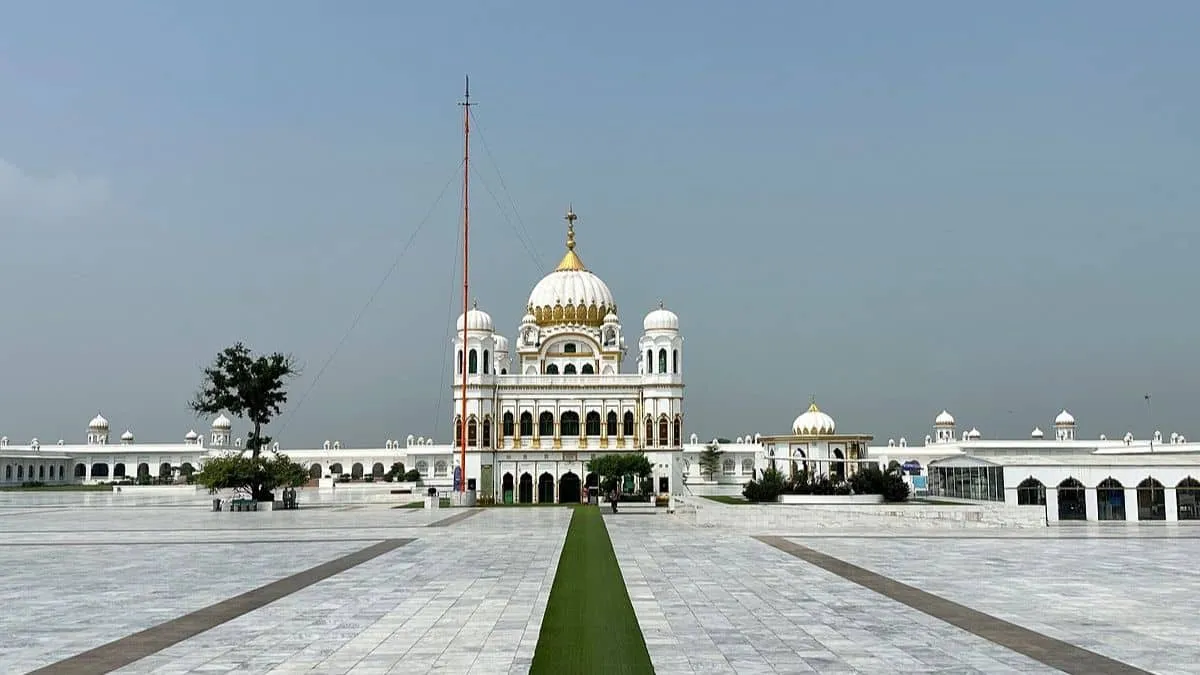
Pakistan has officially opened the Kartarpur Corridor for a Sikh religious celebration and completed all necessary arrangements for ceremonies marking the 557th birth anniversary of Baba Guru Nanak. The Pakistani government had previously announced the corridor opening on September 17, 2026, framing the decision as a gesture of religious goodwill. This yearly observance draws immense attention from the global Sikh community, who hold Baba Guru Nanak in high spiritual regard as the founder of Sikhism.
The administrative and logistical preparations involve coordinating security, transport, and hospitality services to ensure that visiting devotees can access the sacred Gurdwara Darbar Sahib. Officials in Pakistan have emphasized their readiness to host pilgrims and facilitate religious rituals associated with the founder of Sikhism. The site holds profound historical significance, representing the final resting place of Baba Guru Nanak and serving as a central focal point for transnational religious pilgrimage.
The Suspension of Pilgrim Movement by India
Despite the official opening by Pakistani authorities, India has suspended Sikh pilgrims movement through the corridor since May 2025, citing the Pahalgam incident as the reason for the halt. This administrative block on the Indian side prevents local devotees from crossing the international border to reach the shrine, even though the physical crossing point remains accessible from the Pakistani side. The restriction has created a barrier for practitioners wishing to pay their respects at one of the holiest sites in their faith.
Members of the Sikh community have repeatedly called for its reopening so they can perform religious rituals and visit sacred sites in Pakistan. These appeals come from various religious organizations and community leaders who argue that faith-based travel should remain separate from political or security disputes between neighboring nations. The ongoing closure has left many devotees unable to participate in major festivals at the historic gurdwara.
Political Reactions and Regional Resolutions in Punjab
Political pressure has mounted within India to restore access to the shrine. Notably, the assembly in India's Punjab state passed a resolution supporting the reopening of the Kartarpur Corridor on October 27, 2026. This legislative action reflects widespread local sentiment among the population of Punjab, where historical and cultural ties to the shrines across the border run deep.
State legislators argued that religious pilgrimage routes must be preserved as corridors of peace and mutual understanding. The assembly resolution called upon the central government to reconsider its stance and resume normal operations at the crossing. Public representatives from multiple political parties backed the measure, pointing to the deep emotional and spiritual attachment that millions of citizens hold toward the sacred site.
Pilgrim Response to Interfaith Harmony Efforts
Indian Sikh pilgrims welcomed Pakistan's decision to open the transit route and prepare for the anniversary events. They said opening the corridor demonstrated religious tolerance and a commitment to peace, contrasting it with India's continued suspension of pilgrim movement. Visitors and community spokespersons highlighted the contrast between administrative obstacles and the welcoming environment found at the shrine.
The pilgrims also praised the Pakistani government and public for their warm, sincere, and friendly treatment. They described that welcome as a strong example of interfaith harmony. Local volunteers and administrators in Pakistan have traditionally organized langar, which is a communal kitchen, and provided lodging and medical support to ensure guests experience comfort during their stay for the anniversary celebrations.
Historical Background of the Kartarpur Crossing
The establishment of the transit route created a visa-free border crossing connecting the Gurdwara Darbar Sahib in Pakistan to the Dera Baba Nanak shrine in India. Opened in November 2019 ahead of the 550th birth anniversary of the religious founder, the project fulfilled a long-standing aspiration for millions of devotees. The corridor allows citizens to travel across the border with relative ease, requiring only special permits rather than full visas.
Over the years, the crossing has experienced various operational changes driven by diplomatic relations and security assessments between the two countries. Despite these geopolitical hurdles, the physical infrastructure remains operational on the western side of the border. Religious organizations continue to advocate for permanent, uninterrupted access so that believers can observe holy days without administrative disruption.