Power Distribution Companies Seek Rs23.33 Billion from Consumers
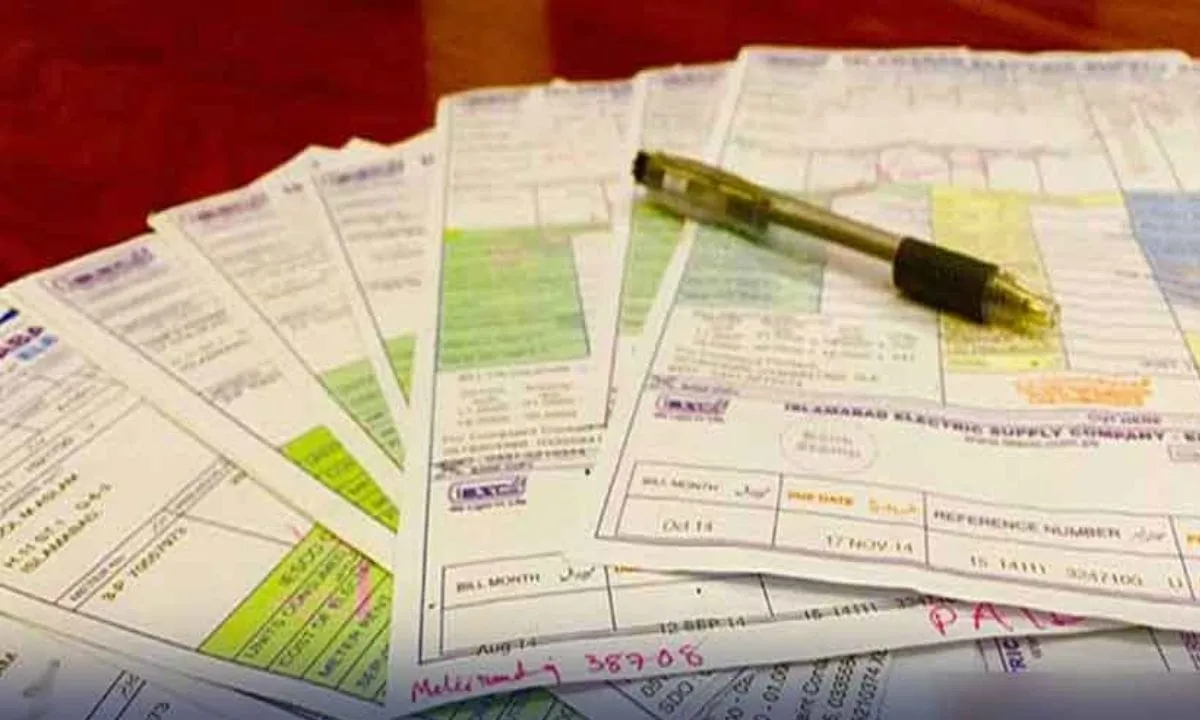
Electricity consumers across the country face the prospect of higher utility bills as power distribution companies have formally requested permission to recover an additional Rs23.33 billion. The petition has been submitted to the National Electric Power Regulatory Authority, commonly known as NEPRA. This financial demand stems from the quarterly adjustment mechanism, which allows utilities to pass certain operational costs on to the end users. If approved, the decision will impact households and businesses nationwide, driving up the cost of monthly electricity consumption.
The request highlights ongoing financial pressures within the power sector, where utilities regularly seek adjustments to cover capacity payments and maintenance expenses. According to media reports, the latest petition specifically seeks the adjustment of costs for the third quarter, covering the months from July to September 2026. While the distribution companies have put forward a substantial gross figure, the final determination rests entirely with the regulatory body after a formal evaluation process.
Understanding the Quarterly Adjustment Mechanism
The quarterly adjustment mechanism is a regulatory tool designed to manage variations in fuel prices, capacity charges, and operational costs that are not part of the base tariff. Power distribution companies calculate these expenses at the end of every quarter and submit petitions to NEPRA for review. The system ensures that utilities can recover legitimate costs incurred during power generation and supply, although it frequently leads to additional financial burdens for the public.
Within the current petition, the utility companies have proposed recovering specific financial components. These include Rs38.92 billion in capacity charges, which are payments made to power plants for the availability of electricity generation capacity regardless of whether that energy is used. Additionally, the companies have requested Rs5.597 billion to cover operations and maintenance costs incurred during the three-month period.
Breakdown of Proposed Costs and Deductions
While the gross total of the requested expenses is high, the petition also incorporates certain financial reliefs that lower the final demand. The submission includes a reduction of Rs29.25 billion attributed to the impact of the incremental package. This adjustment helps offset a portion of the capacity charges and operational expenditures outlined in the filing.
After factoring in this reduction of Rs29.25 billion, the net amount sought from consumers stands at Rs23.33 billion. NEPRA will evaluate these figures during the upcoming evaluation process to determine their validity. The regulatory authority holds the legal mandate to scrutinize every component of the petition, ensuring that only justified expenses are passed on to the public.
Who Will Be Affected by the Proposed Tariff Increase?
The proposed adjustment will apply universally to electricity consumers across the country. This widespread reach means that domestic, commercial, and industrial sectors will all experience the financial impact if NEPRA grants the request. The inclusion of all regions ensures that the adjustment mechanism is applied across the entire national grid network without regional exceptions.
Importantly, the petition also encompasses consumers residing in Karachi. This means that customers served by K-Electric will also be affected by the determination. The inclusion of Karachi brings the entire urban and rural consumer base under the same regulatory framework for this specific quarterly cost recovery.
Upcoming NEPRA Hearing and Final Decision Process
The next critical step in the process is the formal regulatory hearing. NEPRA has scheduled a public hearing on the petition for November 17. During this session, consumer representatives, industry experts, and utility officials can present their arguments regarding the proposed financial adjustments.
Following the hearing, NEPRA will review all submissions and announce its final decision on how much the per-unit electricity tariff will rise. The regulator determines the exact amount that can be recovered, meaning the final approved figure may differ from the initial Rs23.33 billion requested by the power distribution companies.