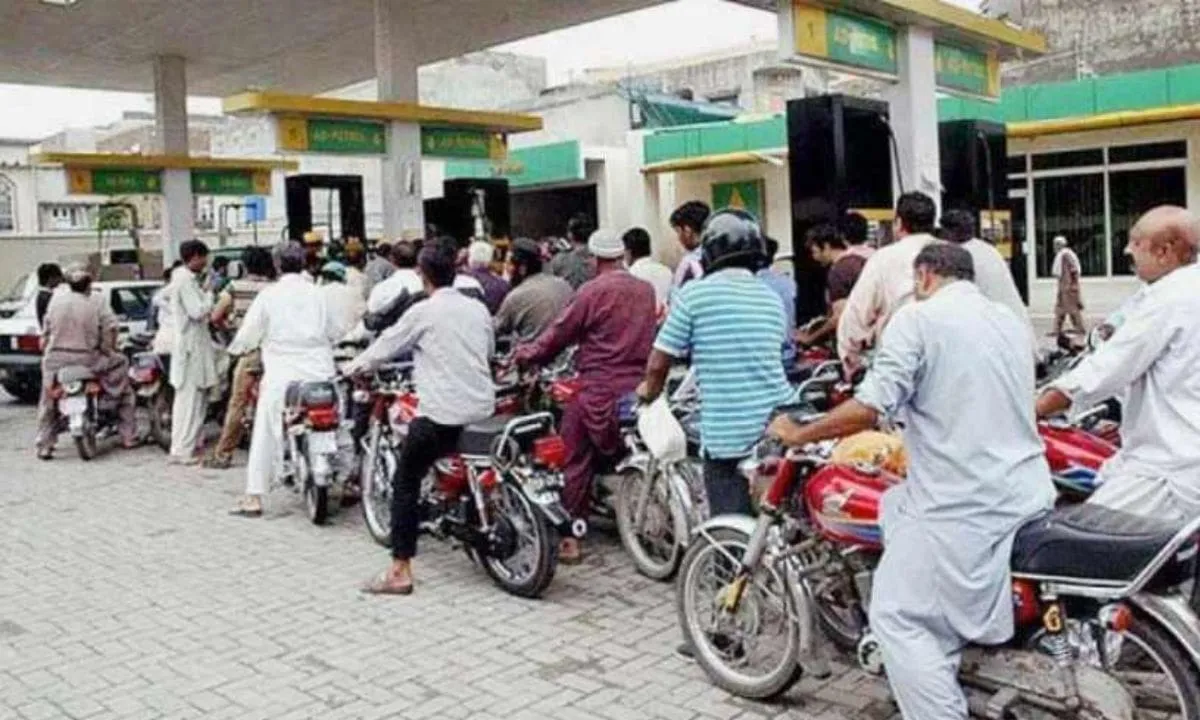
Pakistan Petrol Price Drops to Rs330 Per Litre
The federal government has reduced the petrol price by Rs2 per litre to Rs330 for the next three days, according to the latest notification. This adjustment continues a recent pattern of frequent pricing changes implemented by authorities to manage fluctuating energy costs in the domestic market. Consumers across the country have monitored these updates closely as energy expenses directly influence daily transportation and household budgets.
This latest change marks the ninth consecutive reduction in fuel prices since the current revision cycle began. Following this adjustment, petrol has now reached its lowest level since August 17, when it was priced at approximately Rs331 per litre. Citizens and transport operators who faced significant financial pressure from earlier record highs have experienced a gradual easing of costs over recent weeks.
How High-Speed Diesel Prices Remained Unchanged
While petrol costs decreased, the price of high-speed diesel has remained unchanged at Rs360 per litre. On Thursday, the government reduced petrol by Rs3 to Rs332 per litre and diesel by Rs4 to Rs360 per litre. Diesel serves as a primary fuel for heavy transport, agriculture machinery, and freight trucks, meaning its stability directly impacts the cost of moving goods across the nation.
Market analysts note that diesel pricing trends often follow different economic patterns compared to petrol due to varying industrial demand and international supply factors. Transporters and agricultural producers must therefore budget around the steady Rs360 rate even as light vehicle owners benefit from cheaper petrol options. Authorities issue separate notifications for each fuel type based on import parity pricing and local tax structures.
The Downward Trend in November Fuel Prices
The latest reduction continues the downward trend in fuel prices during November. Petrol has declined from Rs374.51 per litre on November 2 to Rs330 on November 13, while diesel has fallen from Rs395.20 to Rs360 during the same period. This steep drop reflects shifts in global petroleum markets and local currency adjustments managed by economic managers.
During the early days of the month, citizens faced much heavier expenses at filling stations before the string of cuts took effect. The cumulative decrease provides a noticeable adjustment for commuters who rely on motorcycles and cars for daily travel to work and school. Economic monitors continue to observe international crude benchmarks to determine if this downward trajectory will persist beyond the current three-day notification window.
Government Policy on Frequent Fuel Price Revisions
The government has introduced frequent fuel price revisions, with the latest changes providing some relief to consumers amid fluctuating petroleum prices. Historically, petroleum prices in the country were reviewed on a fortnightly basis, but recent administrative decisions have allowed for shorter intervals to pass international market benefits or burdens directly to the public more quickly.
This policy of rapid adjustments aims to prevent sudden, massive price shocks that previously occurred when rates remained fixed for longer durations. Consumers and industry stakeholders must adapt to these swift updates by tracking official notifications issued by the Ministry of Finance. The short three-day validity of the current notification indicates that further announcements will follow shortly regarding subsequent pricing structures.
Impact of Petroleum Reductions on Consumers and Transport
The continuous drops in petrol rates offer financial breathing room for urban commuters, delivery services, and private vehicle owners. Fuel expenses make up a substantial portion of monthly expenditures for working families, so lower per litre costs help offset inflation in other basic consumer goods. Public transport operators also factor these fuel savings into their operational calculations, though fare adjustments depend on various local municipal guidelines.
Businesses that manage vehicle fleets report lower logistical expenses as a result of the downward pricing cycle observed in November. Retailers and distributors who depend on road transport can manage shipping overheads more predictably when fuel markets experience stabilization or decline. Observers emphasize that maintaining transparent communication regarding tax levies and import costs remains essential for public trust during these frequent pricing cycles.





