Pakistan Shifts Strategy to Local Mineral Processing
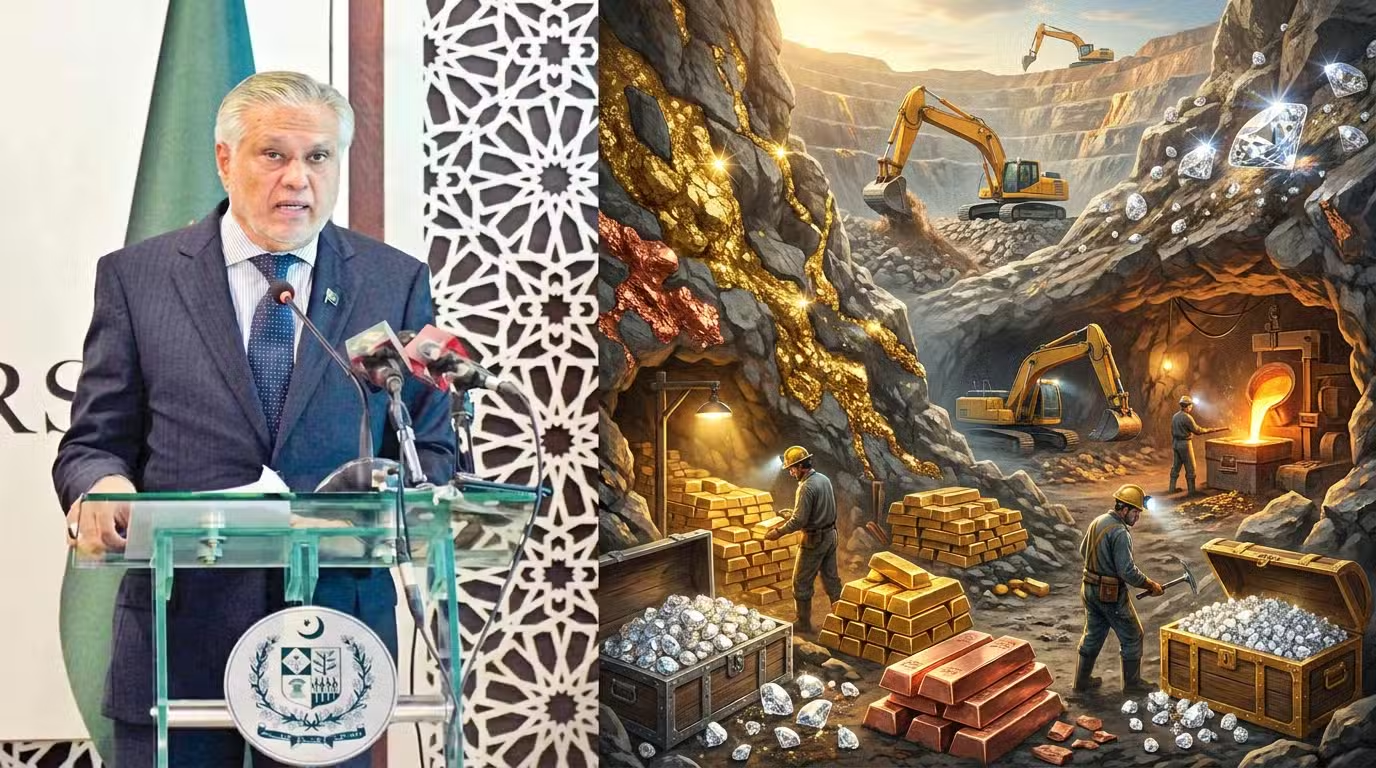
Pakistan plans to establish local facilities for processing, refining, and manufacturing mineral products instead of exporting raw mineral resources, Deputy Prime Minister Ishaq Dar announced on Thursday. This policy shift marks a major change in how the nation handles its natural wealth. For decades, the country relied heavily on shipping unprocessed materials abroad. The new approach focuses on keeping value addition within national borders.
Addressing the Pakistan Minerals Investment Forum 2026 in Islamabad, Dar said the government aims to develop the country's entire mineral value chain by attracting investment in mining, technology, processing facilities, energy, transportation, and logistics. He added that the strategy would focus on building domestic industrial capacity rather than simply extracting minerals and shipping them overseas. This comprehensive plan requires upgrades to infrastructure, power supply, and transport networks to support heavy industrial operations.
Mineral Wealth Along the Tethyan Metallogenic Belt
Dar highlighted Pakistan's copper and gold reserves along the Tethyan Metallogenic Belt in the western region, alongside other resources, including iron ore, chromite, lead, zinc, coal, rock salt, marble, gypsum, and gemstones. The Tethyan belt is a globally significant geological structure known for massive deposits of copper and gold. Experts and mining engineers have long pointed to this region as a sleeping giant for international commerce.
He said growing global demand for copper and other critical minerals, driven by electric vehicles, battery storage, clean energy, and advanced technologies, presents opportunities for Pakistan to attract international investment. As major economies transition away from fossil fuels, the need for wiring, electronics, and energy storage components creates high demand for copper and related metals. Pakistan sits on substantial deposits that can feed this international supply chain once domestic processing plants are built.
The Reko Diq Copper-Gold Project as a Model
He also cited the Reko Diq Copper-Gold Project in Balochistan as an example of how international expertise, federal participation, and provincial ownership can support major mining investments. Reko Diq stands as one of the largest undeveloped copper and gold deposits in the world. The venture combines foreign capital and technical capability with local governance to ensure the project benefits both the federal structure and the provincial government of Balochistan.
Mining ventures of this scale require decades of planning, heavy machinery, and massive water and power supplies. By using Reko Diq as a working model, authorities hope to demonstrate that large foreign corporations can operate securely and profitably within the country. The project serves as proof of concept for future joint ventures across other mineral-rich regions.
Economic Diversification and Export Growth
The government aims to use mineral development to diversify exports, expand local manufacturing, create industrial opportunities, and strengthen Pakistan's economic base. Traditional export items like textiles face stiff global competition and market fluctuations. Adding minerals to the export basket helps stabilize foreign exchange earnings.
Processing minerals locally creates employment for engineers, technicians, and local laborers while fostering secondary industries. Manufacturing finished goods from extracted resources generates higher revenue than selling dirt and rocks. Citizens stand to benefit through job creation and regional infrastructure development tied to mining sites.
Infrastructure and Logistics Requirements
Developing a domestic mineral industry requires massive improvements in logistics, power supply, and transport networks. Raw materials are heavy and costly to move from remote western mountains to ports or local factories. Investment in railways, heavy-duty roads, and dedicated power grids forms a core part of the newly announced strategy.
Energy availability remains a primary concern for heavy industrial smelting and refining operations. Authorities must secure reliable power sources near extraction zones to make local processing financially viable. Integrating energy projects directly into mining master plans helps prevent operational bottlenecks.
Global Market Opportunities for Critical Minerals
The global shift toward green technology places copper, lithium, cobalt, and other elements at the center of international trade. Industrialized nations look beyond traditional suppliers to secure stable supply lines for their manufacturing bases. Pakistan offers an alternative source for these essential industrial inputs.
International mining companies look for clear regulatory frameworks and stable investment climates when committing billions of dollars. Forums like the one held in Islamabad provide a platform for state officials to present geological data and policy incentives to global investors. Meeting these international standards will determine the speed at which these mineral deposits transform into operational assets.





