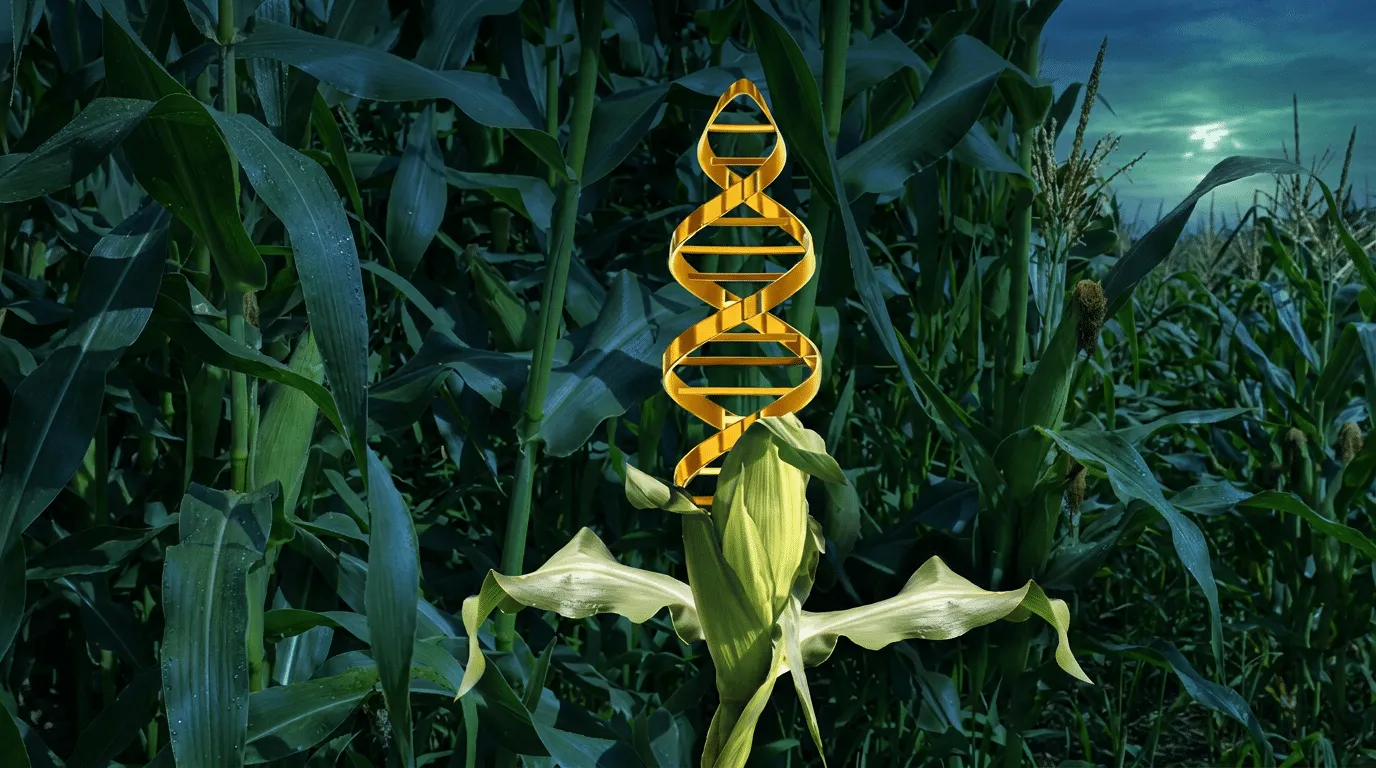
Pakistan delayed choices on multiple genetically modified crop applications, such as soybean imports, cotton cases, and corn biosafety licences, when the National Biosafety Committee requested more precise advice from its technical panel.
This choice occurred during the 38th session of the National Biosafety Committee held at the Ministry of Climate Change and Environmental Coordination.
Officials determined that the guidance provided by the 45th session of the Technical Advisory Committee lacked the precise conclusions needed for final determinations.
The panel returned those waiting applications to the Technical Advisory Committee for additional evaluation, asking for unambiguous recommendations.
The meeting agenda covered clearances for soybean meal imports designated for food, feed, and processing, along with the renewal of biosafety licences for modified corn and various cotton submissions.
Participants also reviewed the ongoing suspension affecting the commercial release of modified corn and other biotech food varieties.
An official representing the Ministry of National Food Security and Research stated that authorities paused commercial activities for biotech food crops during 2019 while waiting for a complete policy structure.
That official explained that the policy gap was subsequently resolved through the notification of the National Agricultural Biotechnology Policy 2025, which sets up a regulatory system for evaluating and marketing agricultural biotech goods.
Briefing details indicate that officials have received instructions to advance using the newly approved policy guidelines.