Pakistan saw its electricity production grow by 5% year over year to 13,217 gigawatt-hours in September 2026. Data from a Topline Research report shows the average fuel cost for generating power climbed 32% to reach Rs. 9.4 per unit.
Output dropped 12% compared to August, when generation stood at 14,942 gigawatt-hours. Over the first quarter of fiscal year 2026-27, total generation hit 43,281 gigawatt-hours, showing a 6% rise from the 40,933 gigawatt-hours recorded during the same timeframe last year.
September's average fuel cost for electricity generation fell 7% compared to August, dropping from Rs. 10 per unit. However, the quarterly average climbed 36% year over year to Rs. 10.1 per unit, up from Rs. 7.4 in the first quarter of fiscal year 2025-26.
Imported coal and furnace oil lead annual generation growth
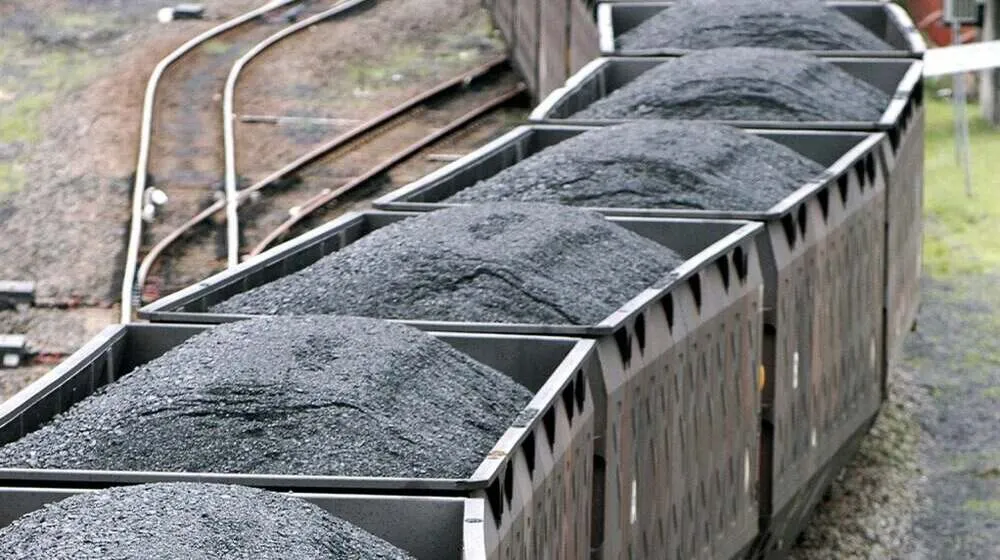
Power produced from imported coal more than doubled year over year during September, jumping 111% to 2,155 gigawatt-hours from 1,019 gigawatt-hours previously. Its portion of the national generation mix grew from 8.1% to 16.3%.
Generation using furnace oil increased 171% to reach 263 gigawatt-hours, compared with 97 gigawatt-hours in September 2025. This fuel's share of the power mix expanded to 2% from 0.8%.
Wind power output went up 36% to 464 gigawatt-hours, locally mined coal generation increased 10% to 1,327 gigawatt-hours, and gas-based production grew 13% to 1,066 gigawatt-hours.
Nuclear generation dropped 15% year over year to 1,893 gigawatt-hours, while regasified liquefied natural gas output slumped 56% to 804 gigawatt-hours. Hydropower output increased 1% to 4,834 gigawatt-hours, retaining its spot as the month's largest electricity source.
Hydropower remains the largest source of electricity
Hydropower provided 36.6% of the electricity generated in Pakistan during September, down from 38% the year before. Imported coal supplied 16.3%, nuclear power contributed 14.3%, and locally mined coal made up 10%.
Gas accounted for 8.1% of output, regasified liquefied natural gas contributed 6.1%, wind power represented 3.5%, furnace oil made up 2%, high-speed diesel stood at 1.6%, solar accounted for 0.8%, and bagasse contributed 0.3%.
The generation mix also changed relative to August. Nuclear power increased its share from 10.2% to 14.3%, and imported coal rose from 15.6% to 16.3%. Hydropower dropped from 37.8% to 36.6%, while wind power fell from 5.6% to 3.5%.
Topline Research reported that the average fuel cost reached Rs. 9.4 per unit in September, compared with Rs. 7.1 a year earlier. Regasified liquefied natural gas saw one of the steepest cost surges, rising 87% year over year to Rs. 39.7 per unit. Furnace oil expenses went up 58% to Rs. 44.9 per unit, and imported coal costs increased 25% to Rs. 17.2 per unit.
Nuclear generation costs climbed 33% to Rs. 2.9 per unit, whereas electricity from locally mined coal dropped 54% in cost to Rs. 6 per unit. Gas-based generation expenses fell 3% to Rs. 13 per unit, and bagasse costs rose 10% to Rs. 10.9 per unit.
Compared to August, the overall fuel cost dropped from Rs. 10 per unit to Rs. 9.4 in September. Regasified liquefied natural gas expenses decreased 14% to Rs. 39.7 per unit, gas costs fell 8% to Rs. 13 per unit, and imported coal costs went up 1% to Rs. 17.2 per unit.
During the first quarter of fiscal year 2026-27, Pakistan produced 43,281 gigawatt-hours of electricity, up from 40,933 gigawatt-hours in the prior year's corresponding quarter. Imported coal generation jumped 102% year over year to 6,654 gigawatt-hours, wind generation rose 37% to 1,979 gigawatt-hours, locally mined coal output grew 11% to 4,603 gigawatt-hours, and gas generation ticked up 1% to 3,108 gigawatt-hours.
Conversely, regasified liquefied natural gas output decreased 42% to 3,744 gigawatt-hours, and nuclear generation dropped 14% to 4,948 gigawatt-hours. Hydropower output grew 3% to 16,507 gigawatt-hours.
The average fuel cost for power generation during the quarter hit Rs. 10.1 per unit, increasing from Rs. 7.4 a year prior. Quarterly expenses grew across multiple primary fuel sources, including regasified liquefied natural gas, furnace oil, and imported coal.