Federal Cabinet Approves New Currency Note Designs in Pakistan
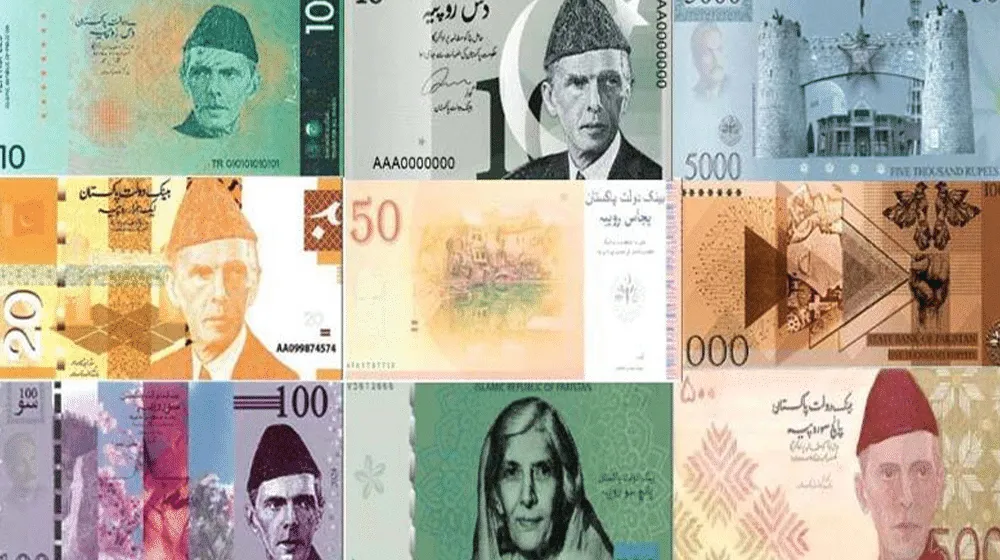
The federal cabinet has approved the designs for Pakistan's new currency notes under denominations of Rs. 50, Rs. 100, Rs. 500, Rs. 1,000 and Rs. 5,000, sources told ProPakistani. This decision marks a major step in the ongoing monetary administration of the country, setting the stage for a complete visual and structural overhaul of the physical money used by citizens every single day. The approval follows months of deliberation and internal reviews within financial regulatory bodies, culminating in formal executive sign-off.
Alongside the approval of the higher banknotes, the cabinet has also approved the discontinuation of the Rs. 10 banknote, which will gradually be replaced with a coin. This dual decision alters both the paper currency portfolio and the metallic coinage system managed by the monetary authorities. Citizens and businesses will need to prepare for the eventual phase-out of the familiar lower-denomination paper note in favor of a more durable metallic alternative.
How the State Bank of Pakistan Manages Currency Replacement
The decision clears the way for the introduction of redesigned currency notes across the country. However, the existing notes will not be withdrawn immediately. Central banking operations require careful planning to ensure that the replacement of legal tender does not cause disruption to commerce, banking services, or daily cash transactions for ordinary people.
The State Bank of Pakistan (SBP) will announce the schedule for introducing the new notes and gradually withdrawing the old designs from circulation. As the central monetary institution, the State Bank holds the statutory authority to regulate currency issuance, manage reserves, and oversee the physical lifecycle of banknotes and coins in the national economy.
Details of the New Denominations and Coin Transition
As mentioned earlier, the new designs will cover five existing denominations: Rs. 50, Rs. 100, Rs. 500, Rs. 1,000 and Rs. 5,000. These specific paper denominations form the backbone of retail trade, salary disbursements, and everyday consumer spending across all provinces and territories.
The Rs. 10 denomination will be issued as a coin instead of a banknote. Transitioning lower denominations from paper to metal is a common practice among central banks worldwide, as coins endure much longer periods of heavy circulation than paper bills of the same face value, thereby reducing long-term printing costs.
Phased Implementation Timeline and Withdrawal Process
The transition will take place in phases. The central bank will be responsible for announcing the implementation timeline and details of the withdrawal process. A phased rollout allows commercial banks, automated teller machine networks, and retail businesses sufficient time to recalibrate equipment and train staff on handling the new physical money.
During this transition period, holders of existing currency do not need to panic or rush to commercial banks. Old notes retain their legal tender status until the central bank formally initiates the phased withdrawal and sets deadlines for their eventual demonetization or exchange at authorized banking counters.
Background on the Approval Process and Previous Revisions
SBP first approved the new designs earlier this year, but the cabinet at the time sent them back for changes. Governmental oversight ensures that national symbols, security features, and artistic representations on currency align with broader public policy and aesthetic standards before final production begins.
Redesigning currency is typically undertaken by central banks to incorporate advanced anti-counterfeiting security features, update historical or cultural imagery, and improve the durability of notes. Modern printing technologies allow for tactile features that assist visually impaired citizens, making physical money more inclusive and secure against illicit duplication.