Understanding the SBP Open Banking Rules in Pakistan
The SBP open banking rules released on October 30, 2026 could change how millions of Pakistanis borrow, pay, and manage their money. The State Bank of Pakistan released the draft Open Banking Regulations for public consultation, with the aim of fostering innovation, enhancing competition, and expanding access to efficient, customer-centric digital financial services in Pakistan. The draft is open for comment until the end of November, giving banks, fintechs, and ordinary citizens a rare chance to shape a rule that will affect them directly.
Open banking can sound like complex financial jargon, but the underlying concept is straightforward. Traditional banking systems keep a customer data locked within individual institution vaults, preventing outside applications from viewing records even when the account holder desires it. Open banking alters this dynamic by implementing secure digital bridges known as APIs, or Application Programming Interfaces.
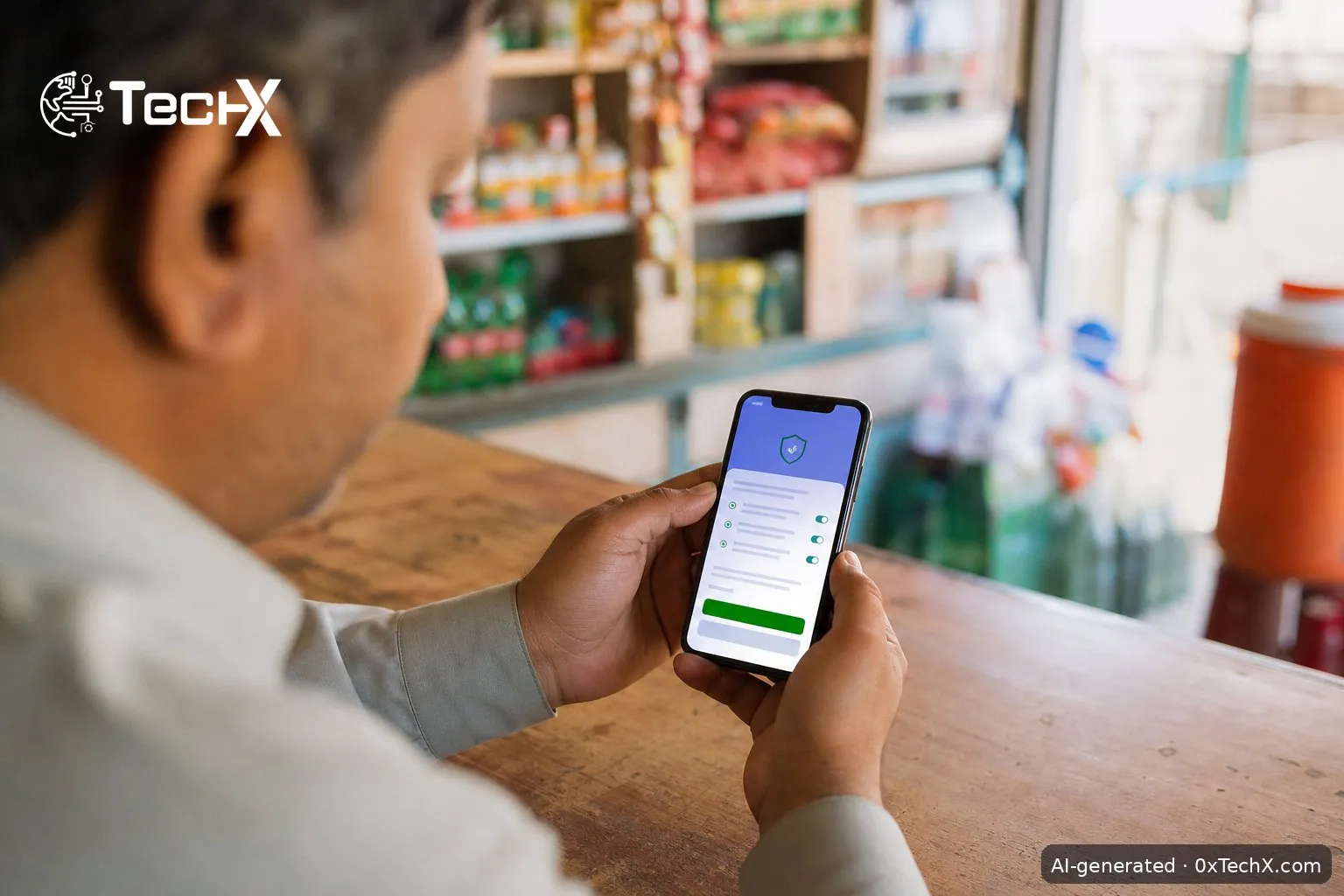
The draft regulations aim to give customers greater control over their financial data by enabling secure, consent-based data sharing and initiating business payments through authorised Third Party Providers. In simple terms, account holders decide which applications can view their bank information, allowing those platforms to deliver tailored financial solutions built upon verified personal history.
How Open Banking Empowers the Pakistan Fintech Ecosystem
Pakistan has witnessed rapid growth within its digital finance sector, yet a primary structural barrier has persisted as banks traditionally withhold shared data access. A digital lender previously possessed no method to evaluate a consumer salary history, spending habits, or repayment reliability. Consequently, millions of citizens, particularly proprietors of small commercial enterprises, faced credit rejections due to verification limitations.
The framework is expected to improve credit assessments, expand financing opportunities for small and medium enterprises, and encourage the development of customised financial products. For the approximately 40 million small businesses operating across the nation that frequently encounter difficulties securing formal loans, this regulatory shift carries substantial economic weight.
National mobile phone penetration and digital payment adoption, anchored by platforms such as JazzCash and Easypaisa, supply the foundation for open banking development. With tens of millions of active mobile wallet users, the technological infrastructure required to operate open banking on a wide scale is already functional. The missing element has been a definitive legal structure, which the State Bank of Pakistan is currently establishing.
Expanding Financial Inclusion Through Digital Reform
This draft policy aligns directly with broader strategic objectives established by the central bank. The State Bank of Pakistan previously set a formal target to increase national financial inclusion from 64 percent in the year 2023 to 75 percent by 2028, while simultaneously reducing the gender gap in financial participation from 34 percent to 25 percent over the identical timeframe.
Open banking serves as a primary mechanism to achieve these metrics because it assists lenders in reaching populations residing in rural regions who possess mobile devices but lack physical bank branches. Unbanked citizens frequently use mobile wallets and maintain telecom payment records, which open banking APIs can evaluate with user consent to generate alternative credit scores.
The regulatory blueprint builds upon earlier foundational steps, including the Open Banking Framework unveiled by the central bank in 2019. That initial initiative established baseline communication standards for secure data sharing, whereas the current draft transitions those guidelines into enforceable statutory requirements.
Privacy Safeguards and Consumer Protection Measures
A frequent concern regarding open banking architecture involves data privacy, a subject addressed directly within the new documentation. The draft regulations align with international standards and draw insights from the initial operational cohort of the central bank Regulatory Sandbox on Open Banking, delivering stringent protections regarding cybersecurity and fraud prevention.
The central pillar of this architecture remains explicit user consent. No outside entity can access consumer financial records without direct authorization from the account holder, and individuals retain the legal right to revoke that permission at any moment. This mechanism maintains consumer sovereignty over personal information rather than transferring control to corporate entities.
Globally, jurisdictions including the United Kingdom and the European Union have operated successful open banking frameworks for several years. Experience from those regions demonstrates that smaller enterprises and first-time borrowers derive the greatest economic advantages when regulatory standards remain transparent and technically accessible.
Next Steps for Stakeholders and Public Feedback
The consultation period remains active for any individual or organization holding a stake in the outcome. The monetary authority formally invited commentary from financial institutions, technology developers, consumer advocacy groups, academic researchers, and the general public to refine the proposed text.
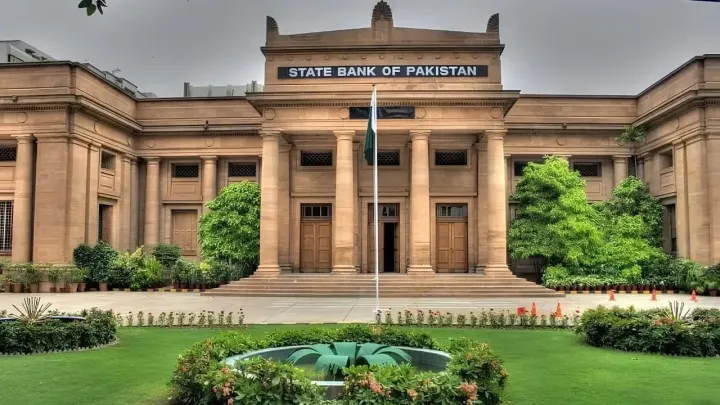
Written submissions may be transmitted via email to the Payment Systems Policy and Oversight Department using the designated subject line regarding feedback on the draft regulations, or sent through postal mail addressed to the central bank building located on I.I. Chundrigar Road in Karachi. The absolute deadline for receipt of comments is November 30, 2026.
Following the collection and review of public commentary, the regulatory body will proceed to finalize the legal text and initiate the licensing procedure for Third Party Providers. That administrative milestone will enable financial technology companies to deploy open banking applications commercially across the domestic market.